
















< Blogs

Amazon FBA vs. Dropshipping | What Are Their Differences?

admin
Created on October 18, 2024 – Last updated on February 6, 20254 min read
Written by: admin

Are you considering entering the world of eCommerce but unsure whether to choose Dropshipping or Amazon FBA? These are two of the most popular and successful fulfillment options available. The question is, which one is better suited for your business?
Amazon FBA vs. Dropshipping

In this article, we will break down the key differences between these two methods, comparing their pros and cons to help you make an informed decision. Whether you’re looking for low-risk startup solutions or more automation, this guide will provide valuable insights for growing your online business.

What is Dropshipping?
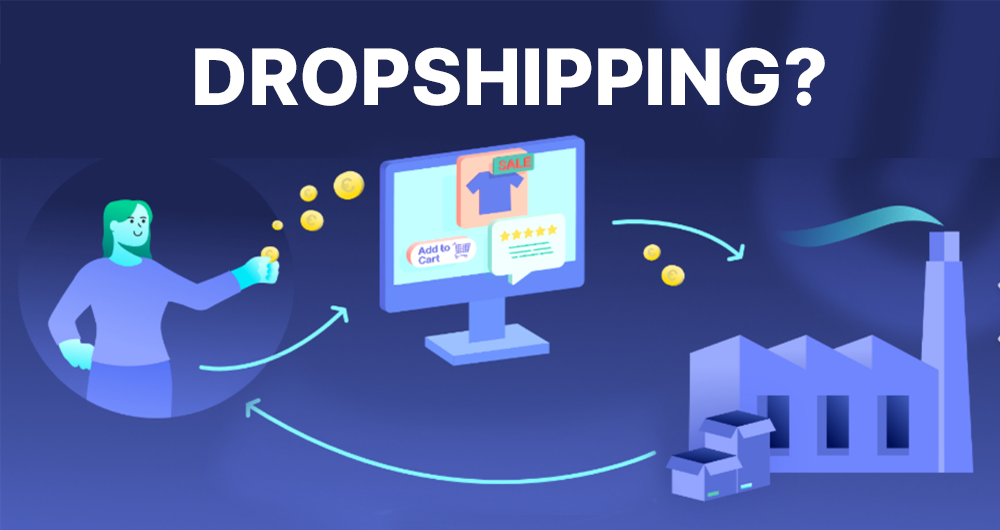
what is dropshipping

Dropshipping is a business model where you don’t hold any inventory. As a seller, you list products in your store, and when a customer places an order, the supplier ships the product directly to them. For those looking to start selling with minimal costs and lower risks, dropshipping is a great choice. You don’t need a warehouse or worry about logistics. You only pay after a sale is made. However, dropshipping requires careful management of suppliers and effective marketing to bring traffic to your store.

What is Amazon FBA?
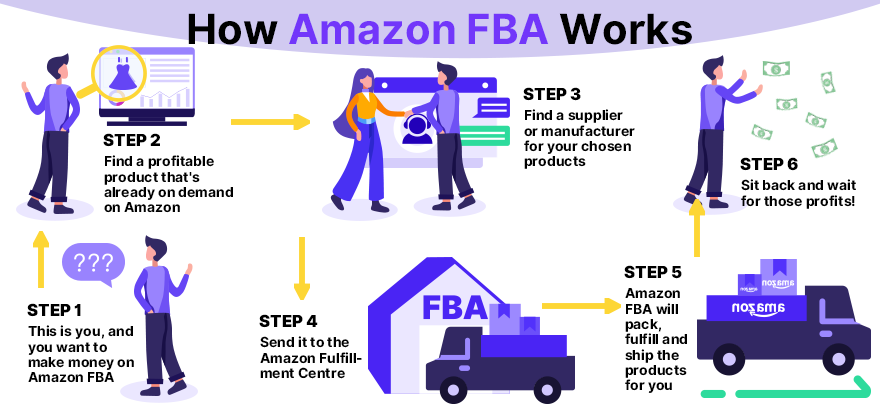
How Amazon FBA works

Amazon FBA (Fulfillment by Amazon) is a service that allows you to send your products to Amazon’s warehouse, and they handle storage, packing, and shipping when an order is placed. You won’t need to manage packaging or logistics, as Amazon will also take care of returns and customer service.  Commonly, you can say it is an automated dropshipping Amazon service.

FBA is ideal for sellers who want to leverage Amazon’s vast customer base and logistics network. Products become eligible for Amazon Prime shipping (Amazon Dropshipping), attracting more buyers. However, FBA requires upfront inventory investment and fees for storage, shipping, and fulfillment.

Dropshipping vs. Amazon FBA: Key Differences
dropsure vs. amazon fba

To make it easier for you to understand, We’ve prepared a comparison table that highlights the key differences and similarities between Dropshipping and Amazon FBA.

Here’s a table you can learn about Amazon FBA vs Dropshipping. We hope this will help you decide which option is better suited for your business.

Feature Amazon FBA Dropshipping
Upfront Investment ❌ High startup cost, inventory needed ✔ No upfront investment, pay as you go
Inventory Management ❌ Requires pre-purchased inventory ✔ No inventory needed, ship as you sell
Order Fulfillment ✔ Amazon handles fulfillment ❌ Manual handling, but can use automation
Advertising ✔ Built-in Amazon advertising ✔ Flexible, use any platform (e.g., Meta ads)
Profit Margins ✔ Discounts for bulk orders, but high fees ❌ Higher product costs but no fees
Customer Contact ❌ No direct contact with customers ✔ Full control over customer interaction
Customer Base ✔ Access to Amazon’s customer base ❌ Need to find your own customers
Control ❌ Limited control, Amazon handles everything ✔ Full control over your business
Scalability ❌ High costs to scale, limited flexibility ✔ Easy to scale, especially for new businesses
Risk ❌ High risk with inventory investment ✔ Low risk, no inventory holding

While both Dropshipping and Amazon FBA are effective ways to sell products online, they each have their own unique advantages and challenges.

Choosing between Dropshipping and Amazon FBA depends on your business goals. If you’re just starting out and want low-cost, low-risk options, Dropshipping is a flexible choice. It offers no upfront investment and more freedom to scale. If you have the budget and want to leverage Amazon’s strong infrastructure, Amazon FBA might be the better option. Both methods provide great opportunities for building a successful eCommerce business—so choose the one that best fits your needs.

If you prefer automation and don’t want to handle inventory, Dropsure could be your best choice. (Want to learn more about Dropsure’s platform and features? Please read What is Dropsure for more details.) It combines the flexibility of dropshipping with the automation benefits of FBA, offering a low-risk, no-inventory solution.
 

DropSure is Your Best Partner
22 Years Experience
Affiliate Rebates
100% Quality Guarantee
Top-Up Rewards
10+ Global Warehouses
Custom Branding Support
Smart inventory System
24/7 Customer Support
Get a Quote in 24 Hours
Start Sourcing for Free

Keep Learning

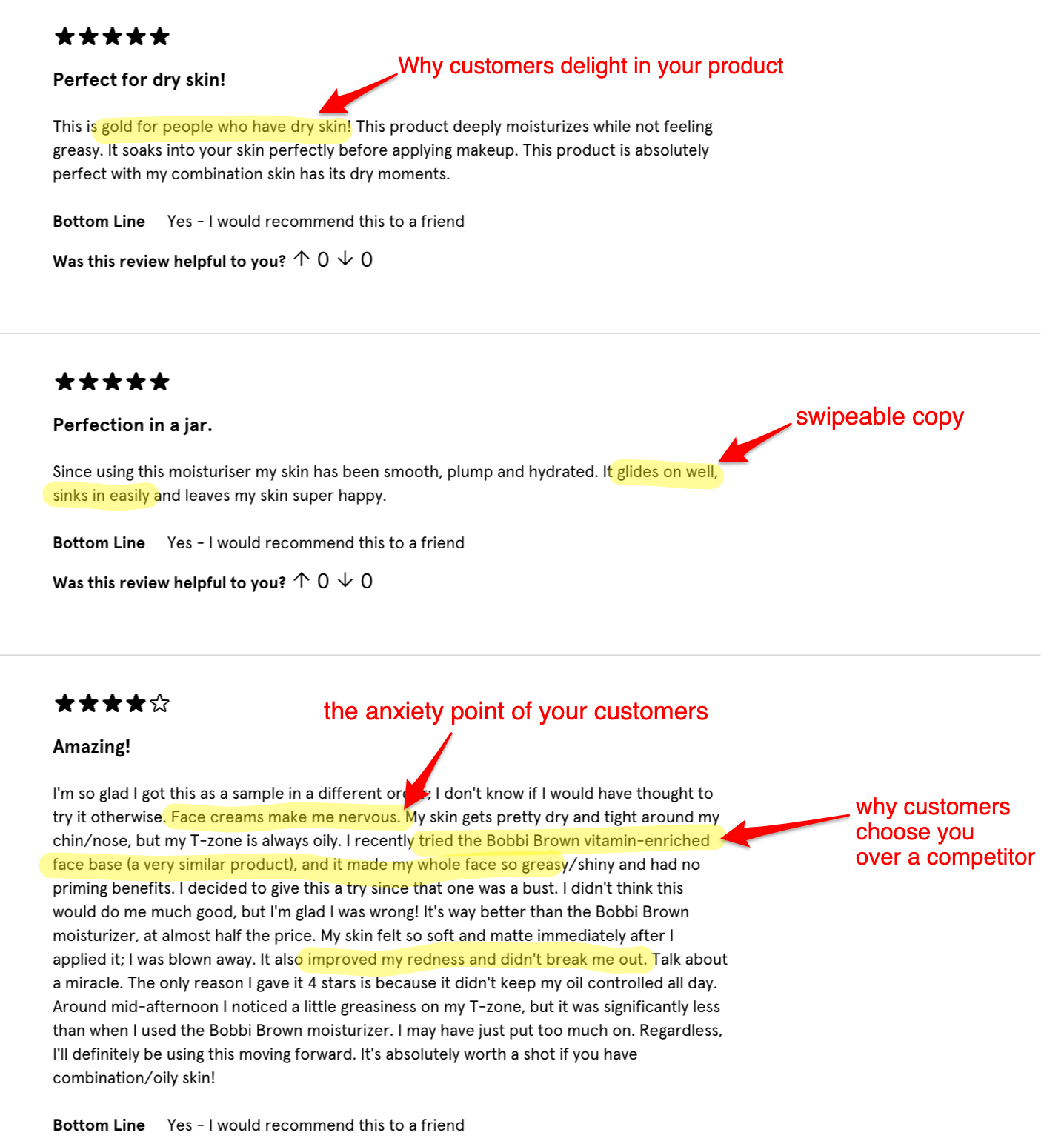
It’s about choosing the right product—at the right time, for the right audience, with the right expectations. Yet many sellers still rely on surface-level signals: trending lists, supplier recommendations, or viral videos. Meanwhile, the most valuable data source is often ignored. Customer reviews. Every review is a direct message from the market. When analyzed correctly, reviews reveal: What customers truly care about Why products fail or succeed What features are missing Where competitors are vulnerable This article will show you how to systematically mine customer reviews for product selection insights, turning raw opinions into a powerful dropshipping advantage. 1. Why Customer Reviews Are a Goldmine for Dropshipping Sellers Unlike ads, supplier descriptions, or influencer hype, customer reviews are: Unfiltered Experience-based Emotion-driven Problem-focused They reflect real usage, real frustrations, and real satisfaction. For dropshipping—where you don’t control manufacturing—reviews help you avoid products that: Generate refunds Cause customer complaints Damage brand reputation And identify products that: Solve clear problems Have strong perceived value Inspire repeat purchases 2. The Biggest Mistake Sellers Make When Reading Reviews Most sellers skim reviews to answer one question: “Is this product good or bad?” That’s the wrong question. The right questions are: Why do customers like or dislike it? Which complaints are repeated? What expectations are unmet? How could this product be improved or repositioned? Your goal isn’t to judge the product—it’s to extract patterns. 3. Where to Find High-Quality Reviews for Research To mine valuable insights, you need the right sources. Major Marketplaces Amazon AliExpress Walmart Marketplace Focus on products with: At least 100–300 reviews A mix of positive and negative feedback Niche-Specific Platforms Etsy (for lifestyle and handmade-inspired products) Chewy (pet products) Sephora / Ulta […]

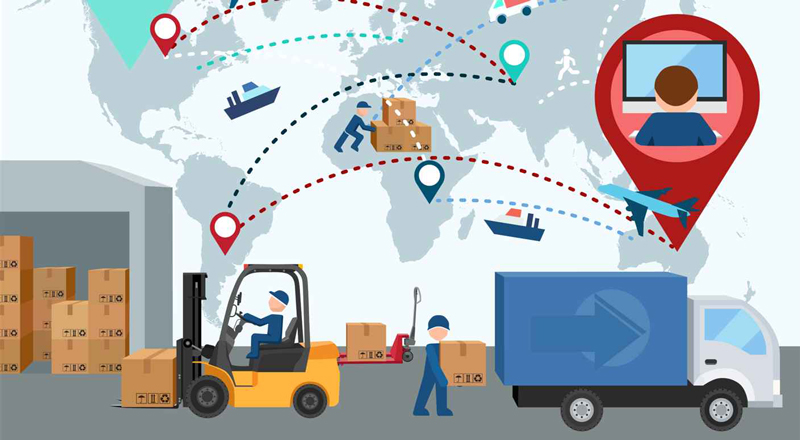
In today’s hyper-connected global economy, cross-border e-commerce is booming like never before. The dropshipping model — where online sellers list products without holding inventory — has made it easier for anyone to sell globally with minimal upfront costs. But while creating a store might take just a few hours, getting products delivered efficiently to international customers is where most sellers struggle. Late shipments, unclear tracking, customs delays, and frustrated buyers can quickly destroy trust and profit margins. That’s why mastering logistics timeliness and developing a smart shipping strategy is critical for sustainable success in cross-border dropshipping. In this comprehensive guide, we’ll break down: What makes cross-border logistics unique and complex. The key shipping methods used by global dropshippers. How delivery time affects customer satisfaction and profit. Strategies to reduce delays and costs. Real-world examples of winning fulfillment systems. Whether you’re selling on Shopify, Amazon, or your own platform, this guide will help you build a logistics system that’s fast, reliable, and scalable — the foundation of a profitable cross-border e-commerce business. 1. Why Cross-Border Logistics Is the Core of Dropshipping Success When you run a domestic e-commerce store, logistics is relatively simple: your supplier or warehouse ships within the same country — usually within 3 to 5 days. But once you go international, you’re facing: Multiple countries and customs regulations Different carriers and last-mile delivery systems Currency, tax, and documentation requirements Customers who expect Amazon-level delivery speed In short: cross-border logistics can make or break your business. A survey by Statista found that 62% of customers abandon a store after experiencing slow international shipping, and 54% expect real-time tracking updates. That means you’re not just selling products — you’re selling […]

As a dropshipper, you depend on your supplier to handle storing and shipping your products, so if you end up with a bad supplier, things can go wrong fast. A bad one can: ❌ Damage your reputation: Your customers see your name on the product, not your supplier’s. If there’s an issue with shipping, storage, or returns, it’s you they’ll hold responsible. ❌ Lead to bad reviews: All the effort you put into optimizing your eCommerce store can go out the window if your supplier mistreats your customers. Too many one-star reviews will make it harder to gain and keep customers. ❌ Cause stock issues: If your supplier keeps running out of stock, you’ll miss out on sales and it’ll hurt your credibility. In dropshipping, your supplier impacts almost every part of your business. Therefore,finding a reliable supplier is key to keeping your business stable and successful. Explore the various directories and apps to find reliable dropshipping suppliers! Directories: InventorySourceThis platform automates product, inventory, and order management, syncing supplier products directly to your store on Shopify or Amazon. InventorySource saves time by handling daily tasks like uploading productsand managing inventory automatically. This platform offers a list of certified suppliers, ensuring that the suppliers are trustworthy. You only pay a one-time fee to use their platform and find suppliers for as long as you need.SaleHoo is a database that helps you find reliable suppliers and offers resources for learning dropshipping. It’s ideal for beginners, providing both suppliers and guidance on starting an e-commerce business.WholesaleCentral is a free directory that provides supplier information, helping you find products to sell. If you’re comfortable managing your own products and orders, it’s a cost-effective option […]