
















 En
En
 7 min read
It’s about choosing the right product—at the right time, for the right audience, with the right expectations. Yet many sellers still rely on surface-level signals: trending lists, supplier recommendations, or viral videos.
Meanwhile, the most valuable data source is often ignored.
Customer reviews.
Every review is a direct message from the market. When analyzed correctly, reviews reveal:
-
What customers truly care about
-
Why products fail or succeed
-
What features are missing
-
Where competitors are vulnerable
This article will show you how to systematically mine customer reviews for product selection insights, turning raw opinions into a powerful dropshipping advantage.
1. Why Customer Reviews Are a Goldmine for Dropshipping Sellers
Unlike ads, supplier descriptions, or influencer hype, customer reviews are:
-
Unfiltered
-
Experience-based
-
Emotion-driven
-
Problem-focused
They reflect real usage, real frustrations, and real satisfaction.
For dropshipping—where you don’t control manufacturing—reviews help you avoid products that:
-
Generate refunds
-
Cause customer complaints
-
Damage brand reputation
And identify products that:
-
Solve clear problems
-
Have strong perceived value
-
Inspire repeat purchases
2. The Biggest Mistake Sellers Make When Reading Reviews
Most sellers skim reviews to answer one question:
“Is this product good or bad?”
That’s the wrong question.
The right questions are:
-
Why do customers like or dislike it?
-
Which complaints are repeated?
-
What expectations are unmet?
-
How could this product be improved or repositioned?
Your goal isn’t to judge the product—it’s to extract patterns.
3. Where to Find High-Quality Reviews for Research
To mine valuable insights, you need the right sources.
Major Marketplaces
-
Amazon
-
AliExpress
-
Walmart Marketplace
Focus on products with:
-
At least 100–300 reviews
-
A mix of positive and negative feedback
Niche-Specific Platforms
-
Etsy (for lifestyle and handmade-inspired products)
-
Chewy (pet products)
-
Sephora / Ulta (beauty tools)
These often reveal deeper emotional feedback.
Social Proof Outside Marketplaces
-
Reddit threads
-
Facebook group comments
-
YouTube review videos
These sources are less structured—but extremely honest.
4. How to Read Reviews Like a Product Strategist
Stop reading reviews one by one. Start reading them by category.
Create a simple framework:
-
Praise
-
Complaints
-
Expectations
-
Use cases
-
Emotional language
This turns chaos into clarity.
5. Mining Positive Reviews: What’s Actually Working?
Positive reviews are not just validation—they’re clues.
Look for:
-
Specific features repeatedly praised
-
Language customers use to describe benefits
-
Emotional triggers (“finally,” “saved me,” “worth it”)
Example insights:
-
“Lightweight” = portability matters
-
“Easy to clean” = maintenance pain point solved
-
“Feels premium” = perceived value > actual cost
These insights help you:
-
Choose similar products
-
Write better product descriptions
-
Highlight the right benefits in ads
6. Mining Negative Reviews: Where the Real Gold Is
Negative reviews are more valuable than positive ones.
They reveal:
-
Manufacturing flaws
-
Shipping issues
-
Design weaknesses
-
Unrealistic expectations
But not all negative reviews are deal-breakers.
You must distinguish between:
-
Fatal flaws (product fundamentally broken)
-
Fixable issues (poor instructions, packaging, sizing confusion)
Fixable problems often represent opportunity products.
7. Identifying “Fixable” vs. “Unfixable” Complaints
Fixable Complaints
-
“Instructions were unclear”
-
“Packaging was damaged”
-
“Size chart was confusing”
These can be solved by:
-
Better content
-
Improved communication
-
Supplier selection
Unfixable Complaints
-
“Stopped working after a week”
-
“Material feels cheap and cracks”
-
“Doesn’t do what it claims”
These indicate fundamental product issues—avoid them.
8. Spotting Feature Gaps Through Reviews
One of the best uses of reviews is identifying what’s missing.
Common phrases to look for:
-
“I wish it had…”
-
“It would be perfect if…”
-
“Almost great, but…”
These comments often reveal:
-
Demand for upgraded versions
-
Bundling opportunities
-
Differentiation angles
You don’t need to invent demand—the market tells you.
9. Using Reviews to Validate Market Demand
A product with:
-
Moderate ratings
-
High review volume
-
Strong emotional language
Often performs better than:
-
Perfect ratings
-
Very few reviews
Why?
Because controversy + engagement = demand.
Reviews prove that:
-
People are buying
-
People care
-
People are talking
Silence is riskier than criticism.
10. How Review Patterns Predict Return Rates
Repeated complaints often correlate with:
-
High return rates
-
Chargebacks
-
Negative store reviews
Pay special attention to:
-
“Didn’t match photos”
-
“Felt smaller than expected”
-
“Cheap for the price”
These usually signal expectation gaps—a major dropshipping risk.
11. Turning Review Insights into Better Product Pages
Once you understand reviews, you can:
-
Address objections proactively
-
Set realistic expectations
-
Reduce refunds
Examples:
-
Add real-life photos to counter “looks different” complaints
-
Clarify sizing to reduce fit issues
-
Emphasize limitations honestly
Transparency builds trust—and lowers support costs.
12. Review Mining for Product Bundling Ideas
Reviews often hint at complementary needs:
-
“Works well with…”
-
“I also bought…”
-
“You’ll need extra…”
These insights help you:
-
Create bundles
-
Increase AOV
-
Differentiate your offer
Bundles reduce direct price comparison.
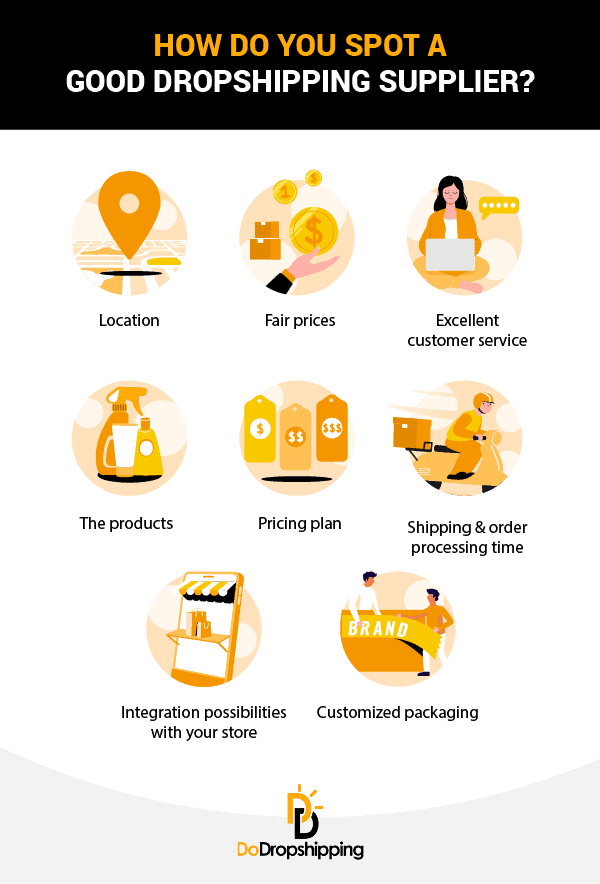
13. Comparing Reviews Across Multiple Suppliers
Never analyze just one listing.
Compare:
-
Same product across different sellers
-
Different versions of similar products
Look for:
-
Consistent complaints across sellers (design flaw)
-
Complaints unique to one seller (quality control issue)
This helps you choose better suppliers.
14. Using Reviews to Spot Fake “Winning Products”
Some products look hot but fail in reality.
Red flags:
-
High ratings + vague reviews
-
Repetitive wording
-
No detailed usage feedback
Authentic reviews include:
-
Context
-
Emotion
-
Specific scenarios
Always prioritize depth over stars.
15. Review Mining for Niche Positioning
The same product can serve different niches.
Reviews often reveal unexpected audiences:
-
Seniors
-
Pet owners
-
Travelers
-
Parents
Positioning a product for a clearer niche improves conversion.
16. How Often Should You Recheck Reviews?
Markets evolve.
You should:
-
Recheck reviews every 2–3 months
-
Monitor new complaints
-
Track quality drift
Supplier changes can alter product performance over time.
17. Tools and Systems for Review Analysis
You don’t need complex software.
Effective methods include:
-
Manual spreadsheet tagging
-
Keyword frequency analysis
-
Review sorting by “most recent” and “lowest rating”
The goal is insight—not automation for its own sake.
18. From Reviews to Product Testing Decisions
Before launching:
-
Match review insights with your target audience
-
Test messaging that addresses known concerns
-
Start with small order volumes
Reviews help you test smarter—not bigger.
19. Case Example: Turning a “Mediocre” Product into a Winner
Many successful dropshipping products started as:
-
3.8–4.2 star items
-
With obvious complaints
By:
-
Repositioning
-
Improving instructions
-
Adjusting expectations
Sellers turned average products into strong performers.
20. Common Myths About Reviews and Product Selection
Myth 1: Only 5-star products sell
Reality: Overly perfect products often lack volume.
Myth 2: Negative reviews kill sales
Reality: Addressed concerns build trust.
Myth 3: Reviews are just social proof
Reality: Reviews are product research data.
Conclusion: Let the Market Do the Research for You
In dropshipping, guessing is expensive.
Customer reviews offer:
-
Free market research
-
Real-world feedback
-
Honest demand signals
When you learn to read reviews strategically, you stop chasing trends—and start building offers that actually work.
The best products aren’t found in “Top 10” lists.
They’re hidden in plain sight—inside the words your customers are already writing.
If you know how to listen, the market will tell you exactly what to sell.