
















 En
En
 16 min read
For many years, dropshipping from China has been a popular business model, but 2025 is set to bring major changes that could shake up the entire industry.
Starting February 4, 2025, an additional 10% tariff will be imposed on top of the current duties and taxes for all goods imported from China. More importantly, the duty-free entry threshold under Section 321—previously allowing shipments valued at less than $800 to bypass tariffs—has been eliminated. In North America, companies such as Temu, have fully taken advantage of this loophole.
Once these tariffs are in place, sourcing products from China will become more expensive, shipping times will increase, and additional customs processing will be required.
Businesses will also need to consider other expenses, such as compliance fees and documentation fees, which could further impact profit margins.
Additionally, every shipment will be subject to duty assessments, which will increase costs and could lead to delays.
Let’s break it down into simple terms so you know exactly what is happening and how to prepare.
Tariffs Reshape Dropshipping Market
Today, I want to discuss in detail the domino effect brought about by the cancellation of the $800 duty-free policy. At first glance, this change might seem like just paying a little more tax, but in reality, it will affect every aspect of the business like a series of dominoes.
Let’s look at the three most critical changes:
First: The long-standing $800 duty-free policy has been officially canceled, marking the end of the low-cost era of cross-border e-commerce. Previously, Chinese direct shipping packages valued under $800 could enjoy duty-free treatment—a lifeline for many small and medium-sized sellers. Now, regardless of the package’s value—even if it is just a few dollars’ worth of small items—they must go through a complete customs declaration process and pay the corresponding tariffs. This change not only increases costs but also brings more complex customs procedures, and many novice sellers without import and export experience may face operational difficulties.
Second: The tariff base rate for all goods imported from China has been increased by 10 percentage points. This means that for every 100 yuan of procurement cost, an additional 10 yuan in tariffs must be paid. For the cross-border e-commerce industry, where profit margins are already thin, this cost increase is hard to ignore. Sellers now face a dilemma: either absorb this additional cost, further squeezing their already narrow profit margins, or pass the cost on to consumers, which may lead to a drop in sales. This price adjustment could directly impact the competitiveness of sellers who emphasize cost-effectiveness.
Third: Due to enhanced customs inspection procedures and the surge in customs declaration workload, overall logistics efficiency has been noticeably affected. Orders to the U.S. that used to take 7-10 days to deliver now generally take 10-15 days. This delay not only affects customer satisfaction but may also lead to an increase in return rates and a decrease in repeat purchases. In today’s market, where consumers demand faster delivery times, such delays could cause some sellers to lose their competitive edge. It is also important to note that these delays are not always linear; during peak sales seasons or in the initial stages of policy adjustment, the delays could be even more severe.
Understanding the Purpose of the New Tariff Rates
The U.S. government imposes these tariffs for three main reasons:
Protecting American Businesses: Higher import tariffs make foreign products more expensive, encouraging consumers to buy American-made goods.
Generating Revenue: The government collects funds from importers based on the customs value of goods and uses these funds to support domestic projects.
Controlling Imports: Eliminating the Section 321 provision closes the loophole that allowed Chinese suppliers to evade tariffs, ensuring that all imported products are properly taxed.
While these policies are intended to strengthen the U.S. economy, they pose significant challenges for small dropshipping businesses, especially when customs clearance processes become more complex and time-consuming.
As customs procedures tighten, many buyers might refuse to complete clearance, leading to delivery failures, refunds, and order cancellations. Shipping companies may charge sellers for refund fees, and unexpected tariffs could force buyers to dispute transactions.
A surge in refunds might result in frozen funds, store suspensions, or even business closures. Therefore, it is crucial for direct sellers to adapt to the new import tariffs and customs clearance rules.
How These Changes Affect Dropshipping
Remember how three years ago we talked about how drop shipping from China was the easiest choice—cheap prices, fast shipping, and no worries about tariffs? But today in 2025, this model is undergoing a major overhaul. I’ve seen many sellers go from initial panic to now adjusting with confidence. The process isn’t easy, but it also hides new opportunities. Here’s how the new tariff changes are impacting dropshipping:
Cost Increase
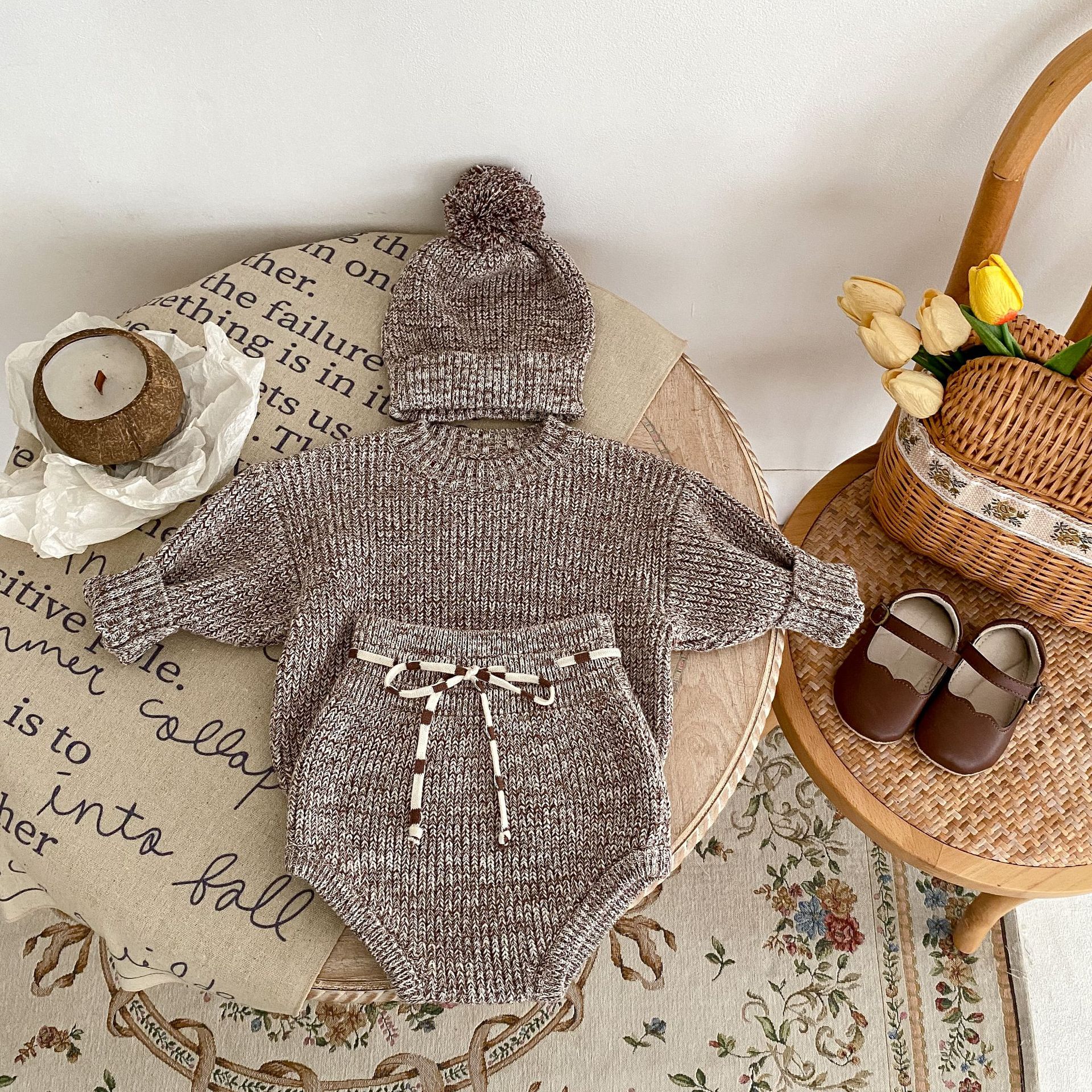
Every shipment from China now faces tariffs, regardless of its value. For example, a garment costing $20 now incurs an extra $2 in tariffs, plus around $5 in customs fees—directly raising costs by about 35%. The problem is, these extra costs are hard to fully pass on to consumers, especially when everyone’s watching their budgets.
Increased Customs Clearance Difficulty
Last week, a client dealing in home goods complained about a $500 shipment of curtains being held in customs for two weeks due to an incorrect HTS code. The number of required clearance documents has nearly doubled since last year, including precise product codes, formal commercial invoices, and certificates of origin. But don’t worry—you might consider working with a professional customs broker. Although there’s an extra fee of $3-5 per order, they can help reduce clearance time to within 3 days, which is more than twice as fast as doing it yourself.
Reduced Logistics Efficiency
You may have noticed that the time from order placement to delivery has increased by 3-5 days on average. My tracking data shows that orders taking longer than 12 days to deliver experience a 40% spike in return rates. Particularly, those small packages that once enjoyed the $800 duty-free threshold have now become prime targets for customs inspection. One client selling phone cases mentioned that his average delivery time increased from 9 days to 14 days, and his negative review rate doubled.
Three Efective Strategies
Over the past six months, we’ve seen more and more peers adjusting their strategies around three core areas: shifting supply chains, pre-positioning inventory, and optimizing product categories. If you’re still using the old methods for cross-border business, you might already be falling behind. Let me share our team’s latest hands-on experiences to help you find a breakthrough.
Dual-Track Supply Chain
Don’t put all your eggs in one basket; instead, follow a two-step approach:
High Value-Added Products: Items like precision electronics and customized goods should remain in China. China’s mature industrial chain and fast prototyping ensure high-end product quality and reliable delivery timelines.
Tariff-Sensitive Products: Products such as apparel, home goods, and simple accessories should gradually shift production to places like Vietnam, Mexico, Indonesia, etc. For example, one of our clients originally produced outdoor tents in China facing tariffs as high as 16%. After moving production to Cambodia, tariffs dropped to 6%, and coupled with local labor cost advantages, overall profits increased by 12%.
If you’re still relying on a single supply chain, it’s time to evaluate which categories can be relocated. Focus on the policy incentives in Vietnam (electronics), Mexico (auto parts), Indonesia (textiles), and similar markets to find your ideal “second production base.”
Predictive Stocking of Hot Items
One of the most noticeable changes this year is that we no longer passively wait for orders; instead, we proactively stock up on trending products in overseas warehouses in the U.S. and Europe.
Data-Driven Stocking: Use AI tools (such as Jungle Scout and Helium 10) to analyze search trends and lock in hot items three months in advance. For instance, one of our pet supplies clients predicted that “automatic feeders” would be popular last year and stocked 100,000 units in a Los Angeles warehouse. They sold out on Prime Day and saved 60% on logistics costs.
Rapid Response to Demand: Earlier this year, a blizzard hit the U.S. East Coast, leading to a surge in demand for home warming products like electric blankets and humidifiers. Our clients with overseas warehouses were able to restock within three days, while peers without warehouses had to wait at least 30 days for sea freight.
Tariff-Driven Category Optimization
Recently, there’s been a buzz among peers: “Where tariffs are high, there’s a goldmine.” However, high-tariff categories (such as mobile phones, computers, and solar panels) are becoming increasingly challenging. Many established players are urgently shifting strategies, which can be summed up in three simple tactics:
Geographic Relocation Strategy
For example, when tariffs on mobile phone chargers jumped from 10% to 25%, some sellers moved their factories from Vietnam to Thailand—only to face higher tariffs there. Now, others are trying Bangladesh. It’s like a game of whack-a-mole: move wherever tariffs are lower.
Product Disassembly and Reassembly Strategy
The photovoltaic panel industry is a prime example. Companies break down a complete solar panel into “glass + battery cells + frame” and ship them separately to the U.S. Then, they reassemble the product locally. Customs sees these as separate components rather than a complete product, significantly reducing tariffs. Even furniture sellers are learning this trick—shipping “wood panels + screws” is much cheaper than shipping a finished wardrobe.
Compliance Risk Management
Some sellers have declared smartwatches as “electronic clocks” and Bluetooth earphones as “wired earphone accessories” to benefit from lower tariff codes. However, stricter customs checks have led to fines for several major sellers. Now, peers are turning to “tariff insurance” to cover losses resulting from declaration errors.
These strategies represent a proactive approach to navigating the challenges posed by new tariffs. Adjusting your operations now could be the key to staying competitive in the evolving market.
The Double-Edged Sword of New Tariffs: Winners and Losers
Who Benefits?
The new tariff policy is like a double-edged sword, affecting different businesses in completely different ways.
If you are a U.S. domestic manufacturer, this reform is nothing short of a godsend. Previously, the low prices of Chinese imports were stifling your business; now, with tariffs driving up the prices of imported goods, your products suddenly become more competitive.
American warehousing and logistics companies are also benefiting, as more sellers will opt to store their goods in domestic warehouses to avoid the tariffs imposed on every shipment.
Who Suffers?
Not everyone can celebrate the tariff adjustments.
If you have long relied on the dropshipping model of shipping products directly from China, things are about to get tougher. The era of duty-free shipments for orders under $800 is over—every order now incurs additional tariff costs, causing expenses to skyrocket. Consumers, in turn, face inevitable price hikes for imported goods.
The situation is even more challenging for fast-paced e-commerce brands. With customs clearance now prone to delays, delivery speeds suffer significantly. Customers who can’t wait may switch to domestic alternatives.
Ultimately, profitability under the new policy hinges on your ability to adapt. Smart merchants are already acting—switching suppliers, using bonded warehouses, or even shifting to domestic sourcing. But if you stubbornly cling to the old dropshipping model, business might become increasingly challenging.
For instance, one of my longtime clients in mobile phone accessories crunched the numbers: when shipments under $800 were duty-free, his profit per order was 30%; now, after accounting for tariffs and customs fees, the profit on the same products has dropped to only 18%. To make matters worse, goods that used to arrive in 7 days are now frequently held up in customs for two to three weeks.
Consumers, too, are adjusting to this “expensive era.” Just yesterday, a clothing seller showed me her backend data: sales of items priced under $39 dropped by 25%, whereas mid-range products priced between $59 and $99 actually performed better. “When cheap items become more expensive, customers feel it’s better to pay a little extra for higher-quality products,” she explained.
How to Deal with Changes in Tariffs
Exploring Alternative Suppliers
For U.S. importers, China is no longer the cheapest or most convenient option. Sourcing from Vietnam, India, or Mexico can help reduce import costs while avoiding some of the extra tariffs. Many countries have free trade agreements with the U.S., making products with lower or zero tariffs more accessible.
Using Bonded Warehouses and Foreign Trade Zones
Bonded warehouses allow companies to store imported goods without paying import duties until the goods are sold. This strategy is particularly beneficial for U.S. importers who want to manage cash flow effectively and minimize upfront tariff costs.
Foreign Trade Zones (FTZs) offer similar benefits by allowing large importers to defer paying standard import duties while storing inventory in duty-free warehouses. Additionally, partnering with experienced freight forwarders can streamline the process, ensuring smooth customs clearance and avoiding unnecessary delays.
Switching to Bulk Shipping Instead of Direct-to-Consumer
Rather than shipping products individually from China, consider bulk purchasing and storing products in U.S. distribution centers such as Supliful. This approach can significantly lower shipping costs, reduce per-unit expenses, simplify customs clearance, and ensure faster delivery to customers.
Partnering with Customs Brokers
With the tightening of customs and border protection regulations, many dropshipping companies will need customs brokers to handle formal entry documentation, verify tariff rates, and ensure compliance with the Harmonized System (HS) codes. Every shipment now undergoes stricter tariff assessments, increasing both costs and processing time.
Understanding the Harmonized Tariff Schedule (HTS codes) is crucial, as misclassifying products can lead to unexpected tariff fees or shipping delays. Working with experts can help companies navigate these changes and avoid costly mistakes.
Adjusting Pricing and Business Models
The era of ultra-low-priced dropshipping from China is coming to an end. To maintain profitability, companies should:
● Increase product prices to absorb higher tariffs and import duties.
● Focus on selling high-value products where import costs represent a smaller share of the overall price.
● Consider developing their own brands, as U.S. customers may prefer locally branded products over direct-shipped ones.
Since every shipment now incurs tariffs, companies must price their products carefully and seek strategies to reduce costs. Businesses that fail to plan accordingly may be forced to absorb the tariffs, significantly cutting into their profits.
Adapting to the New Era of Dropshipping
Dropshipping is not disappearing—it’s evolving. Companies that adapt through strategic sourcing, optimized shipping, and compliance with new trade regulations will continue to survive and thrive. With increased import tariffs in 2025 and the cancellation of the 321 provision, dropshipping from China has become more expensive, slower, and more complex. U.S. importers now face high tariffs, stringent customs clearance, and delivery delays, forcing businesses that relied on duty-free shipments to undergo significant transformation.
However, not all companies will be negatively affected. American manufacturers, private brands, and distribution centers stand to benefit from these changes. Businesses can adapt by sourcing from different countries, using bonded warehouses, and opting for bulk shipping. Partnering with customs brokers and understanding HTS codes, tariff rates, and import duty regulations is key to maintaining compliance.
In the future, dropshipping from China will require more planning, incur higher costs, and involve longer delivery times. Sellers must reconsider their pricing, logistics, and compliance strategies. Whether this marks the end of an era or the beginning of a new chapter depends on how quickly sellers adapt—those who can adjust to change will still find opportunities in the evolving e-commerce landscape. U.S. direct sellers must remain flexible, stay informed, and be ready to evolve.