
















 En
En
 11 min read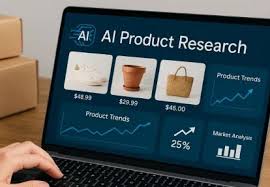
In the fast-moving world of dropshipping, success often depends on one thing—choosing the right products at the right time. Pick a winner, and your store takes off. Choose wrong, and you’re left with slow sales, wasted ad spend, and lost momentum.
For years, dropshippers have relied on instinct, manual research, or copying trends from competitors. But in 2025, there’s a smarter, faster way to pick winning products: Artificial Intelligence (AI).
AI isn’t just a buzzword anymore—it’s quietly revolutionizing how eCommerce entrepreneurs find profitable products, forecast demand, and stay ahead of competition. In this blog, we’ll explore how AI helps with product selection in dropshipping, what tools are leading the change, and how you can use this technology to build a more sustainable business.
1. The Old Way: Guesswork, Gut Feelings, and Google Trends
Let’s face it—product selection used to be more art than science.
Traditional dropshippers often relied on:
-
Scrolling endlessly through AliExpress or TikTok for “trending” products.
-
Watching competitor ads on Meta or YouTube.
-
Guessing what might sell next season.
-
Manually checking reviews, prices, and shipping times.
While this hands-on approach worked for some, it also had huge flaws:
-
Slow response time — By the time you discover a “hot” product, the trend might already be fading.
-
Limited data — You’re relying on intuition, not analytics.
-
High failure rate — Even experienced sellers get it wrong more often than right.
AI changes all of that by turning guesswork into data-driven precision.
2. The Rise of AI in eCommerce
AI is now woven into nearly every part of eCommerce—from automated ad campaigns to personalized customer experiences. But one of its most impactful uses is in product research and selection.
AI tools analyze massive datasets in real time:
-
Search trends across platforms like Google, Amazon, TikTok, and AliExpress.
-
Purchase patterns from global marketplaces.
-
Customer sentiment from product reviews.
-
Ad performance and engagement metrics.
-
Even social media conversations.
This allows AI to predict what products are likely to go viral or which niches are about to explode, before human sellers even notice the trend.
3. How AI Helps Identify Winning Products
Let’s break down exactly how AI streamlines product discovery and selection for dropshippers.
a. Trend Forecasting
AI tools like Google Cloud AI, ShopBrain, and EcomRadar use real-time search and shopping data to predict emerging trends.
They scan millions of queries, hashtags, and engagement signals to spot rising interest in specific products or categories.
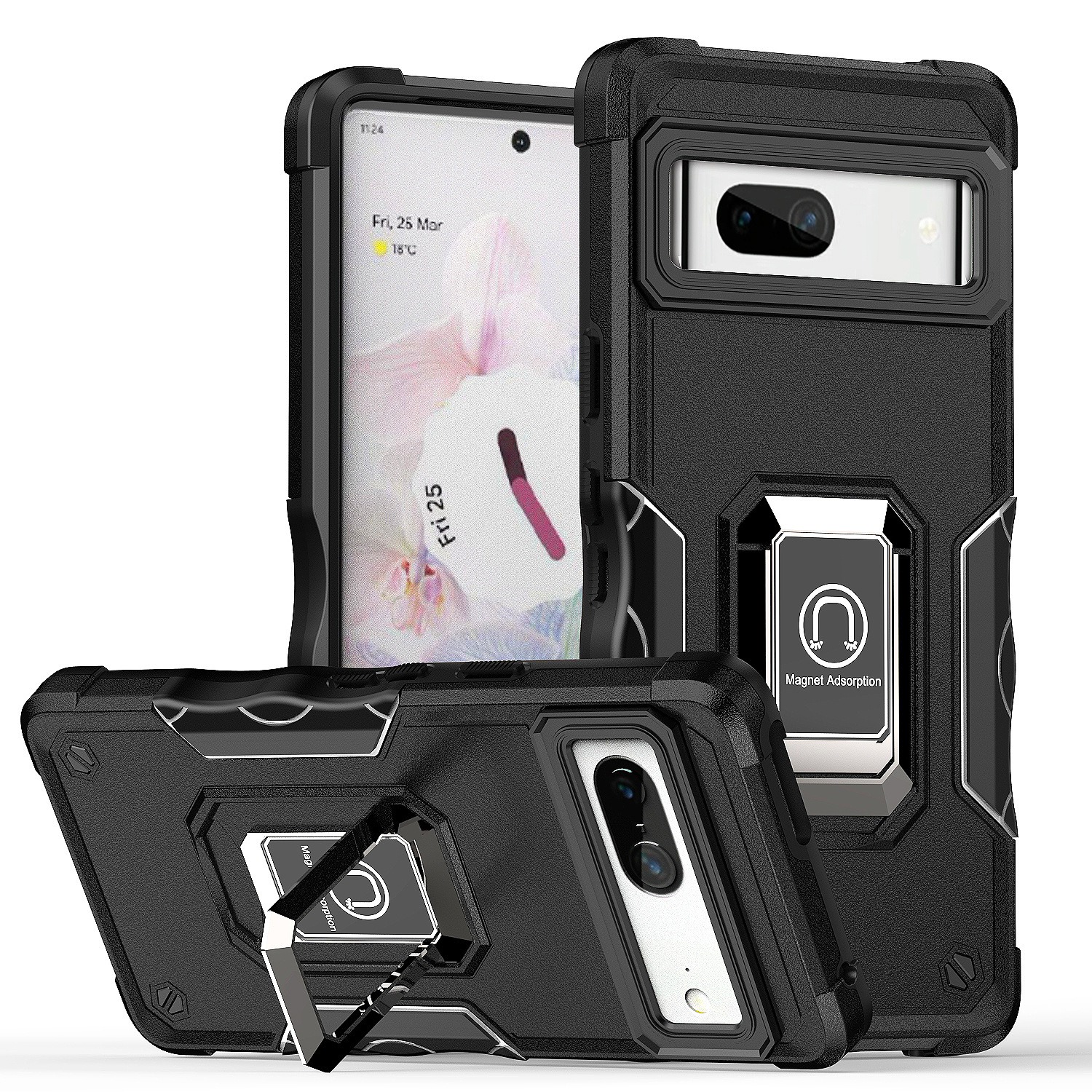
For example, AI might detect that “magnetic phone cases” searches are up 45% week-over-week in the U.S., while engagement on TikTok related to that product has tripled.
That insight lets you move before everyone else floods the niche.
b. Demand Prediction
AI doesn’t just show you what’s trending—it estimates how long the trend will last.
By analyzing past product lifecycles, seasonal data, and geographic preferences, it can predict whether a product will be a quick fad or a sustainable seller.
For instance:
-
A glow-in-the-dark pet collar might peak for two weeks.
-
A posture corrector could maintain demand for six months or more.
Knowing this helps you allocate ad budget and stock (if any) more efficiently.
c. Competitor Analysis
In dropshipping, timing and differentiation are everything. AI tools now automatically scan thousands of stores across Shopify, Amazon, and TikTok Shop to:
-
Identify which products competitors are adding.
-
Track price changes and promotions.
-
Measure ad frequency and performance.
Platforms like Minea, Dropship.io, and AdSpy AI combine product data with ad analytics to show which products are actively converting—not just getting views.
That gives you a clear edge in decision-making.
d. Profitability Estimation
A product might look exciting online, but does it actually make money?
AI solves that by calculating:
-
Supplier cost vs. average selling price.
-
Estimated ad cost per acquisition (CPA).
-
Shipping times and logistics costs.
-
Return rates and customer satisfaction scores.
The AI then ranks products by profitability potential, letting you focus on those with the highest margins and lowest risk.
e. Customer Sentiment Analysis
AI can even read how customers feel about a product.
Natural language processing (NLP) algorithms scan product reviews, comments, and social posts to detect sentiment patterns:
-
Positive signals (e.g., “works great,” “worth the price”)
-
Negative feedback (e.g., “poor quality,” “took too long to ship”)
This allows dropshippers to avoid problematic suppliers or products with hidden quality issues—long before complaints hit your own store.
4. Real-World Example: How AI Transforms Product Selection
Let’s take a simple example.
Imagine you’re a dropshipper looking to enter the home fitness niche.
Instead of scrolling through AliExpress for hours, you use an AI tool like EcomHunt AI+ or Thieve.co Pro.
Here’s what happens:
-
The AI scans millions of data points across TikTok, Amazon, and Google Shopping.
-
It identifies a sharp uptick in interest for “foldable push-up boards.”
-
It compares suppliers, shipping times, and average product ratings.
-
It checks competitor stores to see ad performance and margins.
-
Within minutes, it recommends the best supplier, ideal selling price, and even suggests marketing angles based on sentiment analysis (“home gym upgrade,” “space-saving workout tool”).
What used to take days or weeks of manual work is now done in under an hour—with far greater accuracy.
5. The AI Toolkit: Best Platforms for Smart Product Selection
Here are some top-rated AI-powered tools helping dropshippers today:
| Tool | Key Features | Best For |
|---|---|---|
| Dropship.io | AI product finder, profit estimation, supplier verification | Beginners and mid-level sellers |
| Minea | Ad tracking, social media product performance | Marketing-focused dropshippers |
| Thieve.co Pro | AI-driven AliExpress curation | Finding trending products with reliable suppliers |
| Sell The Trend | AI trend forecasting and product performance analysis | Long-term niche building |
| EcomRadar | Predictive trend modeling and competitor monitoring | Data-driven decision makers |
Most of these platforms offer integrations with Shopify, WooCommerce, and TikTok Shop—making implementation seamless.

6. AI and Product Validation: Testing Before You Sell
Finding a potential winner is only half the job. You also need to validate it.
AI can simulate product testing before you even launch:
-
Ad performance prediction: Based on historical campaign data.
-
Audience targeting: AI suggests ideal customer demographics.
-
Pricing strategy: Dynamic algorithms identify the “sweet spot” for conversions.
-
Return risk scoring: Predicts how likely a product is to cause dissatisfaction or refunds.
This means you can launch with far greater confidence—and avoid spending thousands testing products that won’t convert.
7. Automating Supplier Selection with AI
Choosing the right supplier is another challenge AI now simplifies.
Tools like AliSupplier AI and AutoDS use algorithms to:
-
Filter suppliers with the fastest fulfillment times.
-
Detect fake reviews or unreliable vendors.
-
Match you with the closest regional warehouses to reduce shipping delays.
-
Track supplier responsiveness and dispute rates.
In short, AI ensures your logistics chain is as solid as your marketing plan.
8. How AI Personalization Boosts Product Success
AI doesn’t stop at selecting products—it helps you position them better.
Once you’ve chosen what to sell, AI tools like ChatGPT-powered ad assistants, Copy.ai, and Jasper can:
-
Generate ad copy tailored to specific audiences.
-
Create unique product descriptions that boost SEO.
-
Design variations of visuals and headlines for A/B testing.
This makes your store more appealing and relevant, which directly increases conversion rates.
9. The Competitive Edge: Speed and Accuracy
Dropshipping markets move fast—especially on TikTok Shop and Meta Ads.
Trends can appear and disappear in weeks.
AI’s biggest advantage is speed.
While traditional sellers take days to research and test, AI can identify a rising product within hours of trend formation, giving you a massive head start.
Combined with real-time analytics, it ensures you’re not just following trends—you’re setting them.
10. Common Mistakes When Using AI for Product Selection
Despite the advantages, some dropshippers misuse AI tools. Here are key pitfalls to avoid:
-
Relying blindly on AI recommendations — Always double-check supplier reliability and product quality.
-
Ignoring niche fit — Just because something is trending doesn’t mean it fits your brand audience.
-
Skipping manual review — AI can’t physically inspect products; combine data with human judgment.
-
Not adapting to data — AI learns fast, but you must keep refining inputs to get accurate results.
Remember: AI is a tool, not a replacement for strategic thinking.
11. The Future: Predictive Commerce and Full Automation
We’re heading into an era of predictive commerce, where AI not only helps pick products but also runs the entire dropshipping cycle.
Future systems will:
-
Auto-curate store catalogs based on customer browsing data.
-
Adjust prices dynamically depending on demand and competition.
-
Automatically replace underperforming products with new ones predicted to sell better.
-
Generate marketing campaigns with AI-optimized visuals, copy, and targeting—all without human input.
In this near-future scenario, your role shifts from operator to strategic overseer, guiding AI systems instead of micromanaging every step.
12. Case Study: A Beginner’s AI-Powered Success Story
Meet Alex, a new dropshipper in 2024. With no prior experience, he used Minea + AutoDS AI for product and supplier selection.
Here’s how he did it:
-
The AI detected a surge in “rechargeable mini blenders” on TikTok.
-
It showed strong engagement rates and low competition in Canada.
-
AutoDS located three verified suppliers with quick shipping times.
-
AI-generated copy and video ads targeted fitness enthusiasts.
-
Within one month, Alex hit $25K in revenue with a 35% margin.
The key? He didn’t chase trends manually—he let AI do the heavy lifting.
13. Ethical and Strategic Considerations
While AI offers immense power, responsible usage matters:
-
Don’t exploit fads that mislead or disappoint customers.
-
Prioritize sustainable products and ethical suppliers.
-
Use AI transparently—your goal should be efficiency, not deception.
Ethical AI use builds long-term customer trust and brand reputation—something automation can’t replace.
14. Conclusion: Data Is the New Intuition
In the past, great dropshippers relied on instincts and hustle.
In the future, the winners will rely on data, automation, and insight.
AI is not replacing creativity—it’s amplifying it.
By automating tedious research, predicting trends, and helping validate ideas, AI frees you to focus on what truly matters: building your brand, telling your story, and serving customers better.
If you want to thrive in the 2025 dropshipping landscape, stop guessing.
Start analyzing, optimizing, and predicting with AI—and let your store evolve from chance-based hustle to data-driven success.