


















< Blogs

10 Ways to Find Best-Selling Dropshipping Products

Vivan Z.
Created on October 11, 2025 – Last updated on October 11, 20253 min read
Written by: Vivan Z.

Finding best selling products is crucial for the success of your dropshipping business, especially when you need to quickly capitalize on trends. Here are 10 effective methods to help you discover potential top-sellers:

1. Research Your Competitors

  • Check out competitors’ websites, social media profiles, and product pages on platforms like Amazon or eBay. Tools like SimilarWeb and SpyFu can help you understand where your competitors’ traffic comes from and what products are performing well.

2. Leverage AliExpress

  • AliExpressis one of the most popular dropshipping platforms, and it features a “Hot Products” section that showcases trending products. Pay attention to order volume, reviews, and ratings to gauge the popularity of products.

3. Monitor Social Media Trends

  • Keep an eye on Instagram, TikTok, and Facebook to see what products users are talking about or tagging in posts. Viral content, especially on TikTok’s ” TikTok Made Me Buy It “section, can highlight trending products that might be worth selling.

4. Google Trends Analysis
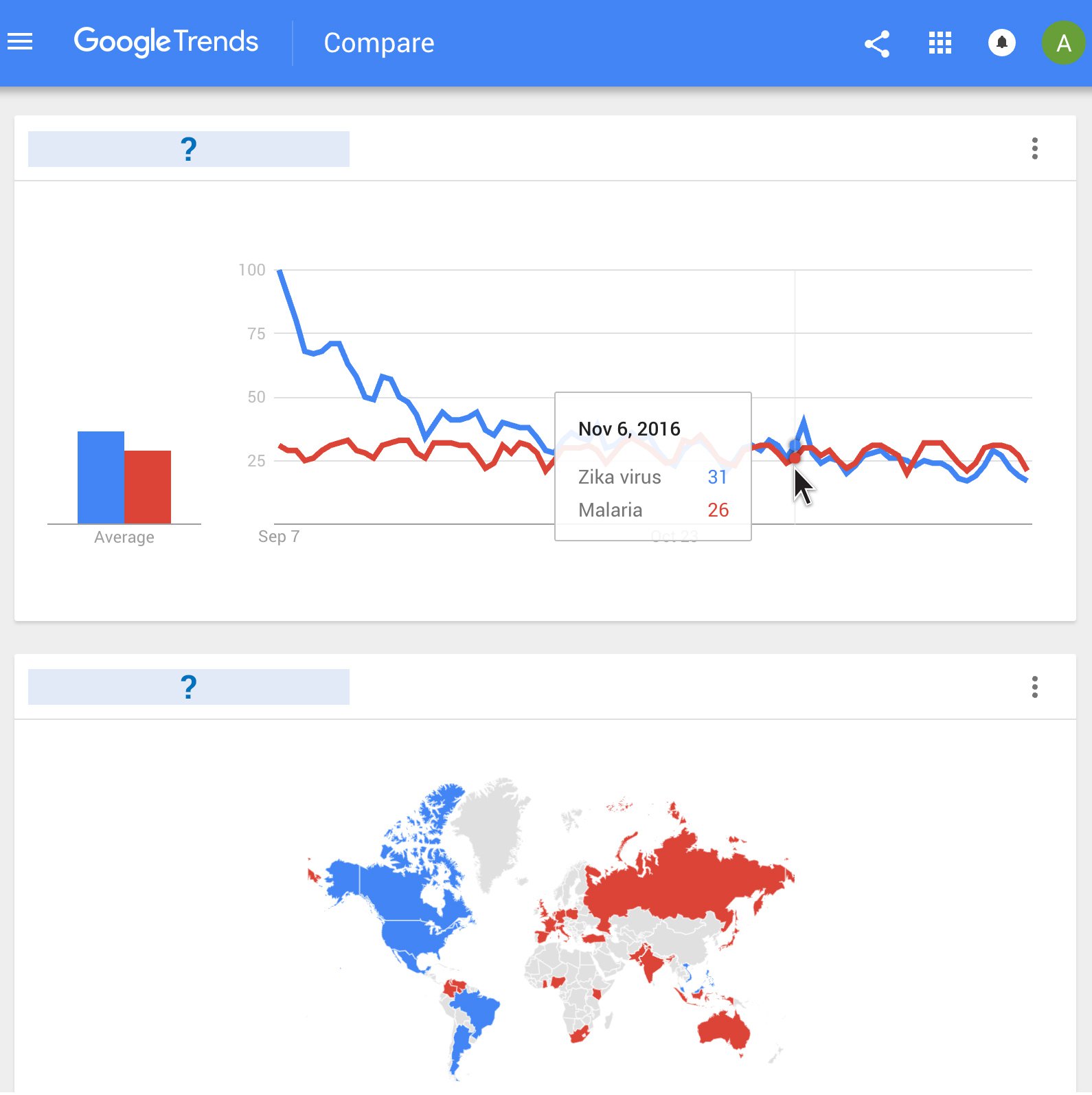
  • Use Google Trends to analyze the search volume and trends for specific products. This tool lets you track the popularity of keywords over time and can help you identify products with increasing demand.

5. Utilize Tools like NicheSpy & SaleHoo

  • Tools like NicheSpy and SaleHoo provide databases of trending dropshipping products. You can use these to filter for top-selling products in your niche and get detailed analytics about market demand.

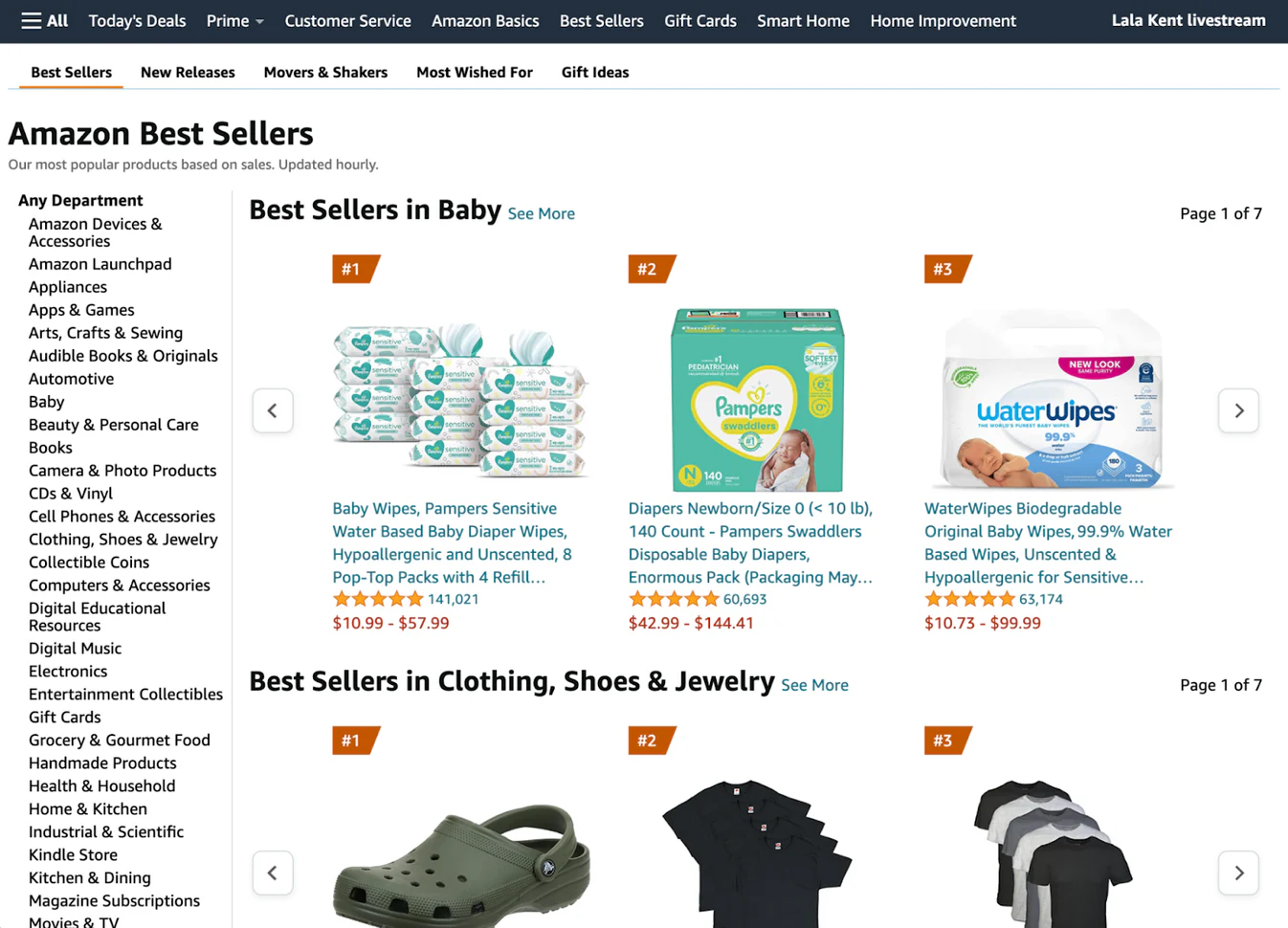
6. Check eBay and Amazon Best Seller Lists
10 Ways to Find Best-Selling Dropshipping Products

  • Browse the Amazon Best Sellerand eBay Top Rated lists to discover products that are currently in high demand. These lists often highlight products that are popular among buyers and reflect current market trends.

7. Explore Reddit and Quora Discussions

  • Platforms like Redditand Quora offer valuable insights into what products people are talking about. Check out trending discussions and customer recommendations to spot in-demand products.

8. Look at Customer Feedback and Reviews

  • Analyze product reviews and ratings on e-commerce websites like Amazon or AliExpress. Focus on products with high ratings and lots of positive feedback, as these are often the most well-received by consumers.

9. Monitor Your Competitors’ Ads

  • Use Facebook Ads & Google Ads Library to check out the ads that your competitors are running. If certain products are being heavily promoted, it could indicate a high level of interest and demand in the market.

10. Join Drop shipping Communities and Forums

  • Participate in dropshipping forums and Facebook groups to connect with other sellers and industry experts. These communities often share tips, insights, and product recommendations that can help you identify the next big trend.
Finding best selling products is crucial for the success of your dropshipping business, especially when you need to quickly capitalize on trends. Here are 10 effective methods to help you discover potential top-sellers: 1. Research Your Competitors Check out competitors’ websites, social media profiles, and product pages on platforms like Amazon or eBay. Tools like SimilarWeb and SpyFu can help you understand where your competitors’ traffic comes from and what products are performing well. 2. Leverage AliExpress AliExpress is one of the most popular dropshipping platforms, and it features a “Hot Products” section that showcases trending products. Pay attention to order volume, reviews, and ratings to gauge the popularity of products. 3. Monitor Social Media Trends Keep an eye on Instagram, TikTok, and Facebook to see what products users are talking about or tagging in posts. Viral content, especially on TikTok’s "TikTok Made Me Buy It" section, can highlight trending products that might be worth selling. 4. Google Trends Analysis Use Google Trends to analyze the search volume and trends for specific products. This tool lets you track the popularity of keywords over time and can help you identify products with increasing demand. 5. Utilize Tools like NicheSpy & SaleHoo Tools like NicheSpy and SaleHoo provide databases of trending dropshipping products. You can use these to filter for top-selling products in your niche and get detailed analytics about market demand. 6. Check eBay and Amazon Best Seller Lists Browse the Amazon Best Seller and eBay Top Rated lists to discover products that are currently in high demand. These lists often highlight products that are popular among buyers and reflect current market trends. 7. Explore Reddit and Quora Discussions Platforms like Reddit and Quora offer valuable insights into what products people are talking about. Check out trending discussions and customer recommendations to spot in-demand products. 8. Look at Customer Feedback and Reviews Analyze product reviews and ratings on e-commerce websites like Amazon or AliExpress. Focus on products with high ratings and lots of positive feedback, as these are often the most well-received by consumers. 9. Monitor Your Competitors' Ads Use Facebook Ads & Google Ads Library to check out the ads that your competitors are running. If certain products are being heavily promoted, it could indicate a high level of interest and demand in the market. 10. Join Drop shipping Communities and Forums Participate in dropshipping forums and Facebook groups to connect with other sellers and industry experts. These communities often share tips, insights, and product recommendations that can help you identify the next big trend. By combining these methods, you can not only identify the best-selling products but also stay ahead of future market trends. The key is to constantly monitor and adjust your product offerings to meet changing consumer demands. Let me know if you'd like any of these methods explained further or if you need help with a specific strategy!

By combining these methods, you can not only identify the best-selling products but also stay ahead of future market trends. The key is to constantly monitor and adjust your product offerings to meet changing consumer demands.

Let me know if you’d like any of these methods explained further or if you need help with a specific strategy!

DropSure is Your Best Partner
22 Years Experience
Affiliate Rebates
100% Quality Guarantee
Top-Up Rewards
10+ Global Warehouses
Custom Branding Support
Smart inventory System
24/7 Customer Support
Get a Quote in 24 Hours
Start Sourcing for Free

Keep Learning

In the world of cross-border e-commerce—whether you’re selling on Amazon, running a Shopify store, or operating on platforms like TEMU, SHEIN, or TikTok Shop—there’s one thing you simply can’t ignore: product selection. Choosing the right product is the lifeline of your entire business. You might be a master at running ads, have sharp operational skills, or even be ready to throw money at the problem—but if the product is wrong, none of that will matter. A bad product means no sales, inventory piling up, ad budget going to waste, and cash flow drying up. Best case? You lose money and exit the game. Worst case? Your company goes under. But if you pick the right product? Even if you’re just starting out—with little experience and a limited budget—you still have a real shot at turning a single product into tens of thousands, or even hundreds of thousands of dollars in profit. That’s what we mean when we say: “It’s the product that makes you take off.” So don’t treat product selection as just a step in the process. What is Google Trends? If you want to know whether a product is truly “riding the wave,” then Google Trends is a tool you simply can’t afford to ignore.It’s a free data platform officially launched by Google, designed specifically to track how users across the world behave on the Google search engine.Put simply, it’s a powerful trend analysis tool that shows what people are searching for, when they’re searching for it, and where those searches are most active. A lot of beginners think “trends” just means looking at what’s popular right now.But the truth is, Google Trends offers way more than that.It […]

Lately, lots of sellers have been saying that their Shopify store got blocked not long after they opened it, and their appeals were unsuccessful. They have no idea what happened, and it’s a real headache.You’ve invested a lot of time and effort, and you’ve even started to see an increase in sales, and then all of a sudden, your store gets closed. Why are stores getting closed? Shopify’s got strict rules about certain products, and if your stuff doesn’t comply with the platform’s policies, they might take it down or even close your store.Some sellers might not even know they’re breaking the rules, and they find out when their accounts get suspended and their funds get frozen. If you’re thinking about opening a Shopify store or already have one but aren’t sure if your products are allowed, it’s crucial to know which products you can’t sell or aren’t suitable for sale.Today, we’re going to go into more detail so you can avoid these issues and make sure your store is operating safely. Tobacco, Hookahs, and E-cigarettes  Tobacco, e-cigarettes, cigars, and fireworks are all completely banned on Shopify. Whether you sell traditional cigarettes, high-end cigars, or niche e-cigarettes, they are not available on Shopify. Even if your target market allows the sale of these products, Shopify still doesn’t support them, and all related items will be taken off the shelves outright, which may even result in the store being blocked. Some sellers may think: “I’m only selling vapes and oils, not tobacco itself, so I should be fine, right?” But the truth is, as long as your products are involved in the tobacco or e-cigarette industry, you run the risk of […]

In the field of cross-border e-commerce, the Dropshipping model is highly favored by small and medium-sized sellers because of the advantages of “zero inventory” and low cost. However, the lifeblood of this model – international logistics and tariff policy – is in unprecedented turmoil due to frequent changes in the Trump administration. In February 2025, the US tariff policy on small parcels from China was “changed on a dime”, which not only exposed the vulnerability of the global supply chain, but also sounded an alarm for Dropshipping practitioners relying on direct mail! So, what should sellers do next to deal with such policy changes? Is there a way to avoid the risk? How to maintain competitiveness without being dragged down? This article will give you some advice. Policy “Rollercoaster”: From Tax Increases to a 72-Hour Pause   Core Changes in Tariff Policy February 1st: Trump signed an executive order to cancel the “minimum threshold” tariff exemption for Chinese packages under $800 in value and imposed a 10% tariff on Chinese goods. February 7th: Due to a customs system breakdown and domestic pressure, Trump urgently halted the new policy, announcing the restoration of tax-free treatment until the U.S. establishes a “sufficient tariff processing system.” Chain Reactions of Policy Impact Logistics Breakdown: Within just three days of the new policy, over 1 million packages were backlogged at New York’s Kennedy Airport, forcing customs to release detained goods. The U.S. Postal Service even temporarily suspended receiving packages from China and Hong Kong, only to retract the decision within 24 hours. Cost Surge: If the policy continues, the tariff cost per package may increase by 25%-30%, directly squeezing the profit margins of dropshipping sellers. How […]