















 En
En
 12 min read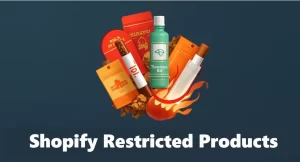
Lately, lots of sellers have been saying that their Shopify store got blocked not long after they opened it, and their appeals were unsuccessful. They have no idea what happened, and it’s a real headache.You’ve invested a lot of time and effort, and you’ve even started to see an increase in sales, and then all of a sudden, your store gets closed.
Why are stores getting closed? Shopify’s got strict rules about certain products, and if your stuff doesn’t comply with the platform’s policies, they might take it down or even close your store.Some sellers might not even know they’re breaking the rules, and they find out when their accounts get suspended and their funds get frozen.
If you’re thinking about opening a Shopify store or already have one but aren’t sure if your products are allowed, it’s crucial to know which products you can’t sell or aren’t suitable for sale.Today, we’re going to go into more detail so you can avoid these issues and make sure your store is operating safely.
Tobacco, Hookahs, and E-cigarettes
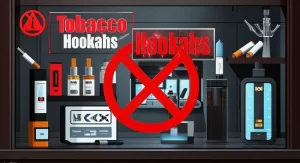
Tobacco, e-cigarettes, cigars, and fireworks are all completely banned on Shopify. Whether you sell traditional cigarettes, high-end cigars, or niche e-cigarettes, they are not available on Shopify. Even if your target market allows the sale of these products, Shopify still doesn’t support them, and all related items will be taken off the shelves outright, which may even result in the store being blocked.
Some sellers may think:
“I’m only selling vapes and oils, not tobacco itself, so I should be fine, right?”
But the truth is, as long as your products are involved in the tobacco or e-cigarette industry, you run the risk of having your store blocked. For example, accessories such as e-cigarette devices, oils, and mouthpieces, even if they don’t contain nicotine, are still high-risk items on Shopify.
Why does Shopify prohibit the sale of these products?
First, different countries have different legal and regulatory requirements for products like tobacco and e-cigarettes, and Shopify is a global platform, so allowing the sale of these products would require the platform to deal with the complexities of each country’s regulations. To simplify operations and minimize risk, Shopify chose to ban these products outright.
Additionally, tobacco products can be difficult to pay for. Many major payment channels, such as PayPal and Stripe, as well as most credit card companies, don’t support transactions for tobacco-related products. This means that even if Shopify allows the sale, you may not be able to successfully collect and settle the funds.
Finally, these products are susceptible to customer complaints and health-related legal issues, such as the possibility of users complaining about harm or health effects caused by the product.Shopify naturally doesn’t allow these types of high-risk products to be sold on its shelves in order to avoid potential legal disputes and customer complaints.
How to avoid the pitfalls?
If there is a demand for such products in your target market, consider selling alternatives that comply with regulations, such as:
● Air purifiers to help reduce smoke residue and air pollution
● Smoking cessation aids (e.g., nicotine gum, patches), provided they are FDA-compliant
● Aromatherapy products, such as smokeless scented candles and electronic aromatherapy devices.
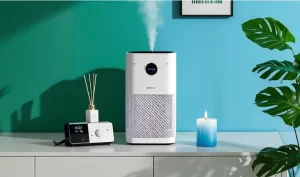
In short, there’s no room for tobacco products on Shopify. If you plan to run an e-commerce business for a long time, it’s crucial to choose compliant products, or you could face serious consequences such as store closure and funds freezing.
Pharmaceuticals, medical devices, health care products
It sounds like a good business to sell medicines, medical devices or healthcare products – after all, people are always willing to spend money on their health. But the problem is that Shopify is not a good place to start. The platform states that you’re not allowed to sell any drugs, medical devices, or healthcare products that haven’t been approved by the FDA (U.S. Food and Drug Administration). In other words, even if your product is safe and effective, without FDA approval, Shopify will not recognize it.
Some sellers may think, “I’m only selling herbal supplements, not prescription drugs, so it should be fine, right?” But in fact, if the product involves any health claims, such as “improves sleep,” “relieves pain,” and so on, it may be recognized by Shopify as a violation. Even if you are lucky enough to have your product on the shelves at first, once you are audited, the product will be removed from the shelves, or the store will be closed.
How to avoid the pitfalls?
If you’re interested in health products, consider legal over-the-counter supplements such as vitamins, protein powders, probiotics, and other common products, but only if you make sure you’re complying with the regulations. On the product page, you should also pay attention to the wording and avoid exaggerated promotions, otherwise not only Shopify won’t let you go, but payment platforms and ad placements may also be limited.
In short, the health market is a big opportunity, but compliance is more important than anything else, and in the event of a violation, not only will it affect the store, but it could also lead to bigger trouble.
Flammable and explosive goods & chemical solvents
Fuel, alcohol, chemical solvents, radioactive materials …… just listen to these names to know that these items export is not easy, Shopify certainly will not let you just sell these things on the platform. After all, these products are not only a hassle to transport, but also involve various legal regulations, and if not handled properly, they can be a safety hazard or even lead to more serious legal issues.
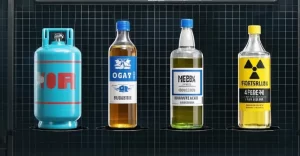
Some sellers may think, “What I’m selling is just industrial alcohol, not explosives, it should be fine, right?” But the problem is that many flammable and explosive products have strict regulations on transportation and storage, and not only Shopify won’t let you sell them, but even logistics companies may refuse to transport them. Plus, these products often require special licenses, so even if Shopify manages to get you on the shelves, the payment platform, advertising, logistics and other aspects may make it difficult for you to move forward.
How to avoid the pitfalls?
If you’re interested in chemical-based products, consider safer and compliant alternatives such as:
● Eco-friendly cleaning products, such as non-toxic stain removal sprays and biodegradable detergents
● Natural aromatherapy products, such as essential oils and smokeless scented candles.
These products are both legal and meet market demand, and not only are they safe, but they don’t feel like stepping on a tightrope. If you want to do business in the long run, product selection compliance is the most basic prerequisite.
Game Coins, Rechargeable Cards, NFTs
If you’re thinking of selling virtual products like game coins, reload cards, tokens, NFTs and the like on Shopify, it’s best to stop and think about it first. The risk of fraud in these products is too high, involving money laundering, credit card fraud and other issues, Shopify regulation is very strict. Many sellers work hard to build a store, just a few days on the shelves, received a store closure notice, and even the funds in the account are frozen.
What’s worse, PayPal, Stripe, these payment platforms are also very sensitive to virtual products. They often freeze sellers’ funds for “high-risk transactions,” which means sellers can’t even withdraw the money they’ve earned. For Shopify, virtual goods transactions are difficult to track, have high refund rates, and are the subject of many fraud complaints, so they simply adopt a high-pressure policy and don’t allow them to be sold, saving them all the hassle.
Counterfeit Products
Selling counterfeits may seem like a “shortcut” with low costs and high profits, but on Shopify, it’s basically a dead end. The platform has zero tolerance for fakes, and once you find out that your products are suspected of counterfeiting big brands, infringing on copyrights, or being of poor quality, your store will probably be closed and your account funds will probably be frozen. Even if you can make some money in the short term, the risk is too high and costly in the long run.
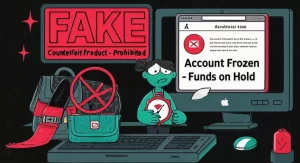
To make matters worse, payment platforms such as PayPal and Stripe are even stricter on fakes than Shopify. If your store gets too many complaints about fake products, the payment platform will mark your account as “high risk”, resulting in limited withdrawals and even frozen funds. By then, it may be difficult to get your hard-earned money out.
Common Pitfalls for Sellers
Many sellers may not think they are selling fake goods, but they still accidentally step on the mine. Here are a few common misconceptions:
● Misconception 1: No logo means it’s not counterfeit.
Some sellers will remove the brand Logo on the imitation products, thinking that it will not infringe on the law. But in fact, even if there is no brand logo, as long as the product design, packaging, and functions are too similar, it may still be suspected of infringement. Many famous brands (e.g. Apple, Adidas) will apply for “appearance patents”, even if your product does not have a brand name, as long as the design is similar to their products, you may be complained by the brand.
● Misconception 2: Popular products in China can be exported without issues.
Many platforms in China, such as Pinduoduo and 1688, have a large number of products with similar appearance and functions to big brands at low prices and huge sales. However, the fact that these products can be sold in the Chinese market does not mean that they can be sold for export. Many European and American countries are extremely strict on intellectual property protection, even if your supplier tells you “this is fine”, you may still be closed because of infringement.
● Misconception 3: Selling can continue on another platform.
Some sellers who have been banned by Shopify will try to change their domain name and payment method to reopen their store, but this is actually a symptomatic solution, Shopify will detect the IP address, company information, payment account, etc. Once they find out that you are operated by the same person, the new store may be banned again very soon.
Product Compliance Ensures Long-Term Store Success
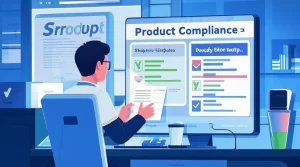
At the end of the day, choosing products on Shopify isn’t just about making money—it’s about staying compliant. Selling non-compliant products can result in store shutdowns, legal issues, and even payment account freezes, preventing you from withdrawing your funds.
If you’re serious about long-term success in cross-border e-commerce, you need to be thorough in your product selection. Take the time to research policies, verify your supply chain, and ensure your products are safe, legal, and high-quality to avoid unnecessary risks.
Shopify has clear guidelines on prohibited items, which you can review here: Shopify Prohibited Items. Staying informed and compliant will help you safeguard your business and build a sustainable, profitable store.
If you’re still struggling with product selection or worried about making the wrong choice, DropSure can help. As a one-stop platform for secure product selection and supply chain management,DropSure offers:
●Compliant product recommendation: make sure your products are in compliance with Shopify and e-commerce regulations of different countries, so you don’t have to worry about the risk of store closure.

●Quality Supply Chain: Strictly screen suppliers to provide reliable and genuine products, avoiding the problem of fake and low-quality products.
●Order Fulfillment and Logistics Support: Integrate stable international logistics to ensure that your products are delivered to customers in a safe and compliant manner.
● Payment and transaction protection: Support compliant payment channels to reduce transaction risks and ensure smooth flow of funds.
Don’t just look at short-term profits when selecting products at Shopify, compliance is the key to long-term success. Don’t let wrong product selection ruin your Shopify store, choose a professional product selection and supply chain management service like DropSure to make your cross-border e-commerce business more secure and continue to grow.