
















< Blogs

What is Zendrop? A Complete Guide to the Dropshipping Platform in 2025

Vivan Z.
Created on December 9, 2024 – Last updated on February 6, 202510 min read
Written by: Vivan Z.

Zendrop 2

As e-commerce continues to grow, entrepreneurs are increasingly looking for ways to streamline their business models and reduce upfront costs. Zendrop, a leading dropshipping platform, offers a powerful solution for online retailers seeking to build and scale their businesses without managing inventory or fulfillment themselves. In this guide, we’ll take a deep dive into Zendrop’s features, how it works, and why it’s becoming a go-to platform for e-commerce sellers in 2025. Whether you’re new to dropshipping or looking to enhance your existing business, this comprehensive guide will help you understand how Zendrop can drive efficiency and growth.
 

What is Zendrop?
Zendrop

Zendrop is an e-commerce platform designed to simplify the dropshipping process for online retailers. It connects merchants with suppliers, allowing them to sell products without needing to manage inventory or handle fulfillment directly. Instead of purchasing large quantities of products upfront, dropshippers can source items from Zendrop’s catalog and have them shipped directly to customers as orders are placed.

Zendrop focuses on providing a seamless experience for both new and experienced entrepreneurs. It offers features such as product customization, private labeling, and automatic order fulfillment, which allow businesses to scale quickly without the logistical headaches typically associated with traditional retail.

Unlike many other dropshipping platforms, Zendrop emphasizes faster shipping times and high-quality suppliers, which is especially important for building trust with customers. With integrations to popular e-commerce platforms like Shopify, WooCommerce, and others, it enables store owners to easily sync products and manage their orders in one place.

Is Zendrop Legit?

One of the common questions about Zendrop is, “Is this legit?” So, let’s clear it up: Zendrop is absolutely legitimate.It has gained popularity in the e-commerce community due to its user-friendly interface, reliable product sourcing, and strong customer support. Zendrop has been operating for several years and has built a solid reputation within the dropshipping industry. Many entrepreneurs use Zendrop to grow their online stores, and there are positive reviews from users across various platforms, such as forums, blogs, and social media.

One of Zendrop’s strengths is its partnerships with verified suppliers, ensuring that products meet quality standards and are shipped on time. This is particularly important in dropshipping, where customer satisfaction depends heavily on product quality and delivery speed. Zendrop also integrates smoothly with e-commerce platforms like Shopify and WooCommerce, making it easier for store owners to manage products and orders without technical difficulties.

Additionally, Zendrop offers reliable customer support through multiple channels, including email and live chat, to help users resolve any issues that may arise. Their pricing structure is clear and transparent, with no hidden fees, and they provide various subscription plans to fit different business needs. The platform is also known for offering faster shipping times compared to many other dropshipping services and provides options for product customization, which enhances the overall customer experience.

How to Use Zendrop

Using Zendrop to start or grow your dropshipping business is straightforward and efficient. Here’s a step-by-step guide to help you get started:

Sign Up for an Account 

First, you’ll need to create a Zendrop account. Visit their website and click on the “Sign Up” button to create an account. You’ll be prompted to enter basic information, such as your name, email address, and a password.

Create an account 1

Connect Your E-Commerce Platform 

After registering, the next step is to integrate Zendrop with your online store. Zendrop supports popular e-commerce platforms like Shopify, WooCommerce, and others. To connect, you’ll follow the provided instructions to sync your store with Zendrop. This allows for seamless order management and product syncing.
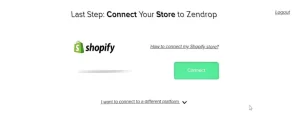
connect your store to shopify

Browse and Add Products 

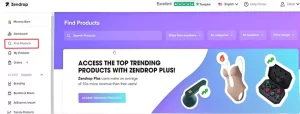
Once your store is connected, you can start browsing Zendrop’s catalog of products. You can search by category, filter products by criteria like shipping times, and view product details. Once you’ve found products that fit your niche, you can easily add them to your store with a click of a button.
Find Products 3

Customize Your Products 

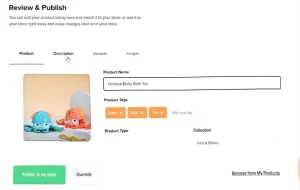
If you want to build a unique brand, Zendrop offers the option to customize products with your own branding, such as labels or packaging. This is ideal for creating a professional, personalized customer experience.
review&publish

Set Your Pricing 

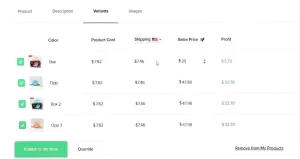
After adding products to your store, you can set your own pricing based on your desired profit margin. Zendrop provides the cost price of each product, and you can decide on the markup you want to apply when selling it to your customers.
pricing 

Manage Orders and Fulfillment 

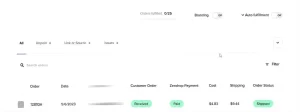
When a customer places an order in your store, Zendrop automatically fulfills the order. You don’t need to handle inventory or packaging—Zendrop takes care of everything. You’ll receive notifications as the order is processed and shipped, and you can track the order status through your Zendrop account.
fulfiiled

Monitor Your Sales and Performance 

Zendrop provides analytics and reporting tools so you can track your sales, orders, and performance. This data helps you identify your top-selling products and optimize your business for better profits.

Customer Support and Troubleshooting 

If you encounter any issues or have questions, Zendrop offers customer support via live chat or email. You can contact them for assistance with order fulfillment, product sourcing, or technical problems.

Does Zendrop Ship to the EU?

Zendrop does ship to the EU, making it a viable option for businesses targeting European customers. The platform offers international shipping, including to several European countries, allowing dropshipping entrepreneurs to expand their reach to the European market.

Here is the list of EU countries supported by Zendrop:Countries
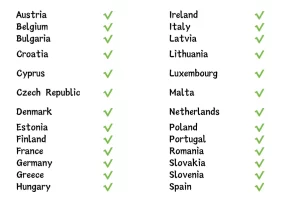
Zendrop works with reliable suppliers who are capable of fulfilling orders to EU destinations, ensuring that products are delivered in a timely manner. The shipping times vary depending on the supplier and product, but Zendrop is known for providing faster shipping options compared to many other dropshipping services. This is particularly important for maintaining customer satisfaction and reducing the risk of late deliveries.

While Zendrop covers a broad range of countries in the EU, it’s important to keep in mind that certain countries may have specific customs or import duties. It’s recommended to be aware of these potential costs, as they may affect the final price your customers pay.

Additionally, Zendrop provides the option to filter products based on shipping location, allowing you to select products that are closer to your EU-based customers, which can help reduce shipping times and improve delivery efficiency.

Overall, Zendrop’s shipping capabilities to the EU make it an excellent choice for dropshippers looking to serve European markets, with the added benefit of faster and reliable fulfillment options.
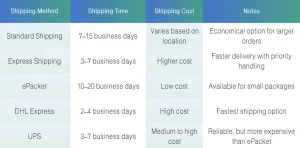
Here is the table with detailed shipping times and costs for Ship to the EU:shipping method cost and time

Note: Shipping costs vary depending on the product, weight, and destination within the EU.
 

Does Zendrop Automatically Fulfill Orders? 


When a customer places an order on your online store, Zendrop takes care of the entire order fulfillment process—from sourcing the product to shipping it directly to your customer.

Here’s how it works:

Order Placement: Once a customer places an order on your e-commerce store (whether it’s on Shopify, WooCommerce, or another platform integrated with Zendrop), the order is automatically synced to your Zendrop account.


Automatic Order Processing: Zendrop’s system automatically processes the order and notifies the supplier to fulfill it. You don’t need to manually place an order with the supplier or worry about tracking inventory. The platform ensures that the supplier has the product in stock and handles the entire order workflow.


Shipping and Tracking: Zendrop then ships the product directly to your customer, using the shipping method selected by the customer during checkout. You’ll receive tracking information, which you can pass on to your customer for transparency.


No Inventory Management: One of the major benefits of using Zendrop is that you never need to deal with inventory. Since the platform automatically fulfills orders directly from suppliers, you don’t have to worry about stock levels, storage, or handling shipments yourself. This allows you to focus on other aspects of your business, such as marketing and customer service.


Custom Branding: If you’ve set up product branding or private labeling through Zendrop, the platform ensures that the product is shipped with your branding and packaging, providing a professional and cohesive experience for your customers.

This level of automation not only saves time but also reduces the risk of human error, making Zendrop an efficient tool for scaling your dropshipping business. The automatic order fulfillment feature is especially valuable for businesses with high order volumes, allowing you to manage your store with minimal manual effort while still offering a reliable service to customers.

Zendrop is evolving as one of the most reliable and efficient dropshipping platforms in 2025, offering everything from product sourcing to custom branding and fast shipping. With its seamless integrations, user-friendly interface, and strong customer support, Zendrop provides the tools you need to run a successful e-commerce business with ease. Whether you’re targeting customers in the U.S., Europe, or other international markets, Zendrop simplifies the fulfillment process so you can focus on what really matters—growing your brand. If you’re ready to take your online business to the next level, Zendrop might just be the solution you’ve been looking for.

Blog Buttom

DropSure is Your Best Partner
22 Years Experience
Affiliate Rebates
100% Quality Guarantee
Top-Up Rewards
10+ Global Warehouses
Custom Branding Support
Smart inventory System
24/7 Customer Support
Get a Quote in 24 Hours
Start Sourcing for Free

Keep Learning

As the secondhand fashion economy thrives, Poshmark, one of North America’s largest resale platforms, has attracted millions of users. However, newcomers often prioritize two critical questions: Is Poshmark legal? Are transactions secure here? This article will delve into the platform’s operational mechanisms and provide an essential guide for buyers and sellers before engaging in transactions. Is Poshmark legal Poshmark was founded in 2011 and is headquartered in California, USA. It is a compliant enterprise regulated by law. Its business model is similar to eBay or Etsy, earning profits by connecting buyers and sellers and charging commissions. The platform supports transactions for fashion items such as clothing, shoes, bags, and accessories, and even allows the resale of luxury goods. As of 2025, Poshmark has over 80 million users and was acquired by the Korean internet giant Naver, which further strengthens its financial and operational stability. From a legal perspective, Poshmark requires users to comply with intellectual property laws and prohibits the sale of counterfeit or prohibited items. If a user violates the rules, the platform may freeze the account or hand the case over to judicial authorities. Therefore, as long as users follow the platform’s rules, the transactions themselves are entirely legal. However, legality and safety are not entirely equivalent—personal operational risks in the buying and selling process still need to be guarded against. How to Avoid Pitfalls in the Shopping Process As a buyer, how can you avoid pitfalls in the shopping process? First, be alert to the risks of counterfeit goods and overly embellished product descriptions. Although the Poshmark platform allows individual sellers to upload various products, its authentication service for luxury goods only applies to items with a unit […]

A Must-Read Guide for Successful Dropshipping In the world of dropshipping, success rarely comes from intuition alone. While creativity and market awareness matter, data-driven product selection has become the defining factor between profitable stores and failed experiments. With millions of products available and fierce competition across platforms like Shopify, Amazon, TikTok Shop, and Etsy, choosing the right product is no longer about guessing trends—it’s about reading the data correctly. This guide will walk you through how to use data analysis tools to precisely select winning products for dropshipping. Whether you are a beginner launching your first store or an experienced seller looking to scale, this article will help you replace uncertainty with clarity and strategy. 1. Why Product Selection Is the Core of Dropshipping Success 1.1 Dropshipping Is a Product-Driven Business Unlike traditional retail, dropshipping offers: No inventory risk Low upfront cost Fast store setup But it also comes with one major challenge: you are selling the same products as thousands of others. Your success depends on: Choosing products with real demand Entering the market before saturation Pricing with healthy margins Solving clear customer problems All of these depend on data. 1.2 The Cost of Poor Product Selection Poor product choices lead to: High ad spend with low conversion rates Chargebacks and refunds Short product life cycles Burned ad accounts Most dropshipping failures are not caused by bad ads or websites—but by selling the wrong product. 2. The Shift from Gut Feeling to Data-Driven Decisions 2.1 Why “Trending Product” Videos Are Not Enough Social media is full of: “Top 10 Winning Products” “This Product Made Me $100K” “TikTok Viral Product Lists” While these videos can inspire ideas, they often show […]

“People don’t buy what you do, they buy why you do it.” – Simon Sinek Ever wonder why certain brands stick with you, while others don’t? Let’s take Nike for example — it’s not just shoes when you hear that name, right? It’s about athletes testing their breaking point and overcoming hurdles. That’s brand storytelling— it’s the why behind Nike, not just the what. Then there’s Coca-Cola. Yes, they sell soda, but they are a story of joy, sharing and happiness. You’re not just purchasing a drink, you’re buying a dream. So, how can you establish that same connection with your customers? How can your brand stand out? That’s the power of brand storytelling. You’re not just selling products — you’re crafting a story that your customers want to be a part of. Let’s take a look at how it works and why it matters so much. What Is Brand Storytelling? Let’s break it down: brand storytelling is the process of creating emotional connections between your brand and your audience through a compelling narrative. It’s not just about product features—it’s about telling the story of your company’s history, mission, values, and purpose in a way that resonates with people. And here’s one big difference between content marketing and brand storytelling. Example: Content marketing, which where you create blog posts, videos, and social media content to educate, inform, or promote your products. Although content marketing can support the sharing of elements of your brand story, it’s inherently value- or sale-driven. On the other hand, brand storytelling focuses on creating a deeper, emotional connection with your audience. It’s about telling the story behind your brand—why it exists, what values it stands for, and […]