

















< Blogs

Customer Success Story: How One Seller Scaled from 0 to 500 Orders a Week with Dropsure

Vivan Z.
Created on November 7, 2025 – Last updated on November 7, 20253 min read
Written by: Vivan Z.

Customer Success Story: How One Seller Scaled from 0 to 500 Orders a Week with Dropsure

“I felt like I was constantly apologizing to customers,”
Emma recalls. “Not because our products were bad, but because fulfillment kept failing us.”

Background

Emma is a Shopify seller from the UK who started her online business selling home and lifestyle products in early 2024. Like many new dropshippers, she was excited about the potential — but quickly discovered how tough it could be to maintain stable fulfillment, manage inventory, and keep customers happy.


“I had great products and a clean website, but my logistics were a mess. Delays, missing packages, and no tracking visibility — I was losing customers fast.”

Challenges

Before joining DropSure, Emma faced three main problems:


  1. Unstable fulfillment— Her previous suppliers often ran out of stock or shipped late.
  2. Manual operations — She had to manage orders and inventory across multiple spreadsheets.
  3. Customer complaints — Tracking information was inconsistent, leading to refund requests and poor reviews.


These issues limited her ability to grow — even her best-selling products couldn’t scale without reliable fulfillment support.

DropSure’s Solution

After connecting her Shopify store to DropSure, Emma immediately noticed a smoother workflow:


Automated Order Sync
Every order from her store synced directly to DropSure, eliminating manual errors and saving hours of daily work.


Smart Inventory & Fulfillment System
Real-time stock updates and automatic routing to the nearest warehouse improved fulfillment speed by 40%.


Transparent Tracking & Communication
Customers could now receive accurate tracking updates, reducing “Where’s my order?” messages by 70%.


“DropSure basically became my backend team. I could focus on marketing and content while they handled the operations seamlessly.”

The Results

Within three months of using DropSure:


Emma’s average weekly orders increased from 50 to 500+.


Her customer satisfaction rate rose to 98%.


Shipping costs decreased by 22% due to optimized routing.


She expanded to three new markets (France, Germany, and the US) without hiring extra staff.


What’s Next

With the help of DropSure’s date-driven product recommendations, Emma now plans to expand her catalog into seasonal best-sellers and explore influencer collaborations — fully backed by DropSure’s logistics and marketing support.

“DropSure isn’t just a fulfillment platform — it’s a growth partner. I couldn’t have scaled this fast without them.”

Key Takeaway

Efficient fulfillment isn’t just about shipping — it’s about scalability, automation, and customer trust.
Whether you’re just starting out or ready to scale globally, DropSure helps you run your business smarter, faster, and with confidence.

Start your success story today — connect your store with DropSure.
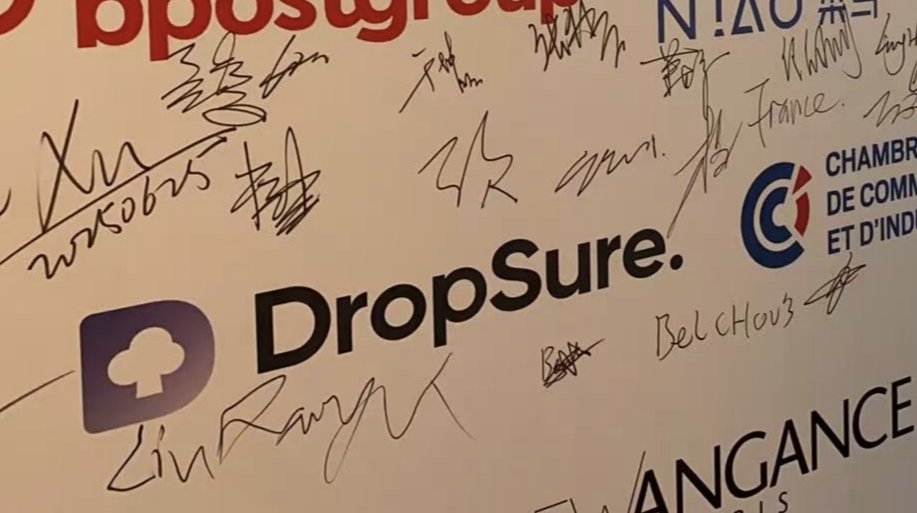
exhibition

DropSure is Your Best Partner
22 Years Experience
Affiliate Rebates
100% Quality Guarantee
Top-Up Rewards
10+ Global Warehouses
Custom Branding Support
Smart inventory System
24/7 Customer Support
Get a Quote in 24 Hours
Start Sourcing for Free

Keep Learning

Recently, Amazon Japan was ordered by the Tokyo District Court to pay a fine of 35 million yen (approximately 244,000 USD) and compensate the brand Excel Plan for its losses due to failure in effectively addressing counterfeit sales on its platform. This incident has raised widespread concern in the industry about the issue of counterfeit goods and serves as a wake-up call for sellers involved in dropshipping (cross-border e-commerce). Counterfeit Crisis: The Hidden Threat in the Supply Chain In this case, Excel Plan discovered counterfeit pulse oximeters on the Amazon Japan platform. These inferior products were sold at prices significantly lower than the genuine ones, severely affecting the brand’s market performance. Worse still, after receiving complaints, Amazon not only failed to take down the counterfeit goods promptly but also mistakenly removed the genuine products, causing Excel Plan to suffer heavy losses in just two months—from an initial sales figure of about 100 million yen to a dramatic drop to only around 610,000 yen. This incident serves as a reminder that counterfeit goods not only affect consumers’ purchasing experience but can also seriously harm the interests of brand owners and potentially expose platforms to legal risks. In dropshipping, sellers typically rely on third-party suppliers, making supply chain management crucial. The issue of counterfeit goods, especially in cross-border e-commerce, is not just a quality concern; it also involves multiple risks, including compliance and brand reputation. How to Avoid Counterfeit Issues in Dropshipping? Choose Reliable Suppliers  When selecting a dropshipping supplier, it is essential to choose one with a good reputation and legitimate qualifications. You can ensure the legality and quality of their products by reviewing certifications, past reviews, and product quality reports. […]

You’ve likely heard of Dropshipping and Amazon FBA. Both are popular e-commerce models with their own pros and cons. But did you know Dropsure combines the strengths of both while fixing their common problems? In this article, we’ll dive into Dropsure and show how it offers a more flexible and efficient solution for sellers. What is DropSure? Dropsure isn’t just a basic logistics platform. It provides full support for e-commerce sellers, allowing you to scale your business without upfront inventory costs. You can easily manage your product supply chain, ship orders from 10 global warehouses, and offer fast delivery to customers. Essentially, Dropsure brings together the benefits of Amazon FBA and traditional dropshipping, while removing many of the challenges. How does DropSure work? Using Dropsure is simple, especially if you want to manage your brand while keeping logistics costs down. No need for pre-purchased inventory, so you won’t worry about unsold stock or high storage fees. With Dropsure, orders are quickly shipped from warehouses to customers worldwide. You also get custom branding options, so you can add your logo to packaging, boosting brand recognition. Our smart stocking solutions help you avoid common supply chain risks, ensuring products are shipped on time when customers need them. To help you better understand, check out the comparison chart below, which highlights the key differences between Dropsure, Amazon FBA, and traditional dropshipping. Feature Amazon FBA Dropshipping DropSure Upfront Investment ❌ High startup cost, inventory needed ✔ No upfront investment, pay as you go ✔ No upfront cost, inventory managed by suppliers Inventory Management ❌ Requires pre-purchased inventory ✔ No inventory needed, ship as you sell ✔ Suppliers handle inventory, ensuring fast delivery Order Fulfillment […]

In 2025, the e-commerce industry continues to grow rapidly, and Dropshipping and Print on Demand (POD) are two of the most popular business models. Many entrepreneurs often find themselves torn between the two when deciding which type of e-commerce store to start. So, what are the key differences? Which model is better for you? In this article, we will thoroughly compare these two business models, discuss their pros and cons, and help you make a well-informed decision. What is Dropshipping? Dropshipping is an e-commerce business model. The retailer doesn’t keep inventory. Instead, they team up with a supplier. When an order comes in, the supplier ships the products straight to the customers. In this model, the retailer focuses on sales and marketing while the supplier takes care of product manufacturing, inventory management, and shipping. For more details on dropshipping, check out our previous article on What is Dropshipping & How to Start. What is Print on Demand? Print on Demand (POD) is a custom e-commerce model where the retailer does not need to purchase large amounts of inventory upfront. Instead, products are printed and produced only when a customer places an order. This model is often used for custom items like T-shirts, mugs, posters, and more. It allows retailers to offer unique and personalized products without the need for upfront inventory investment. For more detailed information on Print on Demand, refer to our earlier article on What is Print on Demand? A Beginner’s Guide to the Growing?. Dropshipping vs Print on Demand: A Comparative Analysis Dropshipping Pros & Cons Print on Demand Pros & Cons   Dropshipping vs Print on Demand: A Comparative Analysis Which One Should I Choose? Instead […]