















 En
En
 7 min read
Do you know about dropshipping? It’s a highly popular business model, particularly in the e-commerce sector. According to Statista, European e-commerce sales are projected to reach €500 billion in 2023, with dropshipping—a no-inventory model—gaining traction among merchants. Especially after the pandemic, many small businesses and entrepreneurs have turned to online sales, and dropshipping offers a low-cost, low-risk entry point.
But what exactly is the dropshipping business model? Is it complex to operate? Does it require significant startup capital? Are specialized technical skills necessary?
As a newcomer, is the entry barrier high? Let’s explore these questions.
What is Dropshipping Model?
The dropshipping model is an e-commerce business model. The dropshipping process typically includes the following steps:
First, the dropshipper displays products in their online store and receives customer orders. When a customer places an order, the dropshipper forwards the order information to the supplier or manufacturer. Next, the supplier ships the product directly to the customer, while the dropshipper is responsible for maintaining communication with the customer and handling after-sales service. Throughout this process, the dropshipper does not need to purchase or store inventory in advance, which reduces operating costs and risks.
In this model, the dropshipper does not need to buy and hold inventory upfront. When a customer places an order on the dropshipper’s online store for a product, the dropshipper sends the order and the customer’s shipping information to the supplier. The supplier then ships the product directly to the customer.
Benefits of Dropshipping
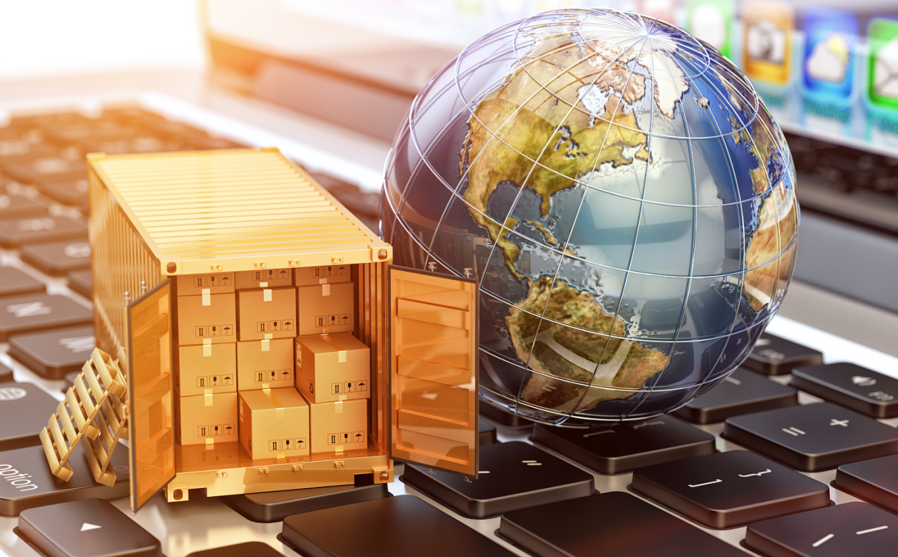
Dropshipping has quickly surged in popularity and created a global buzz, largely due to its unique business model and distinct advantages over traditional e-commerce.
Dropshipping has rapidly risen to prominence and sparked a global trend primarily because it offers a unique business model and significant advantages compared to traditional e-commerce.
In traditional e-commerce, merchants need to maintain a large inventory of products, which requires substantial capital and carries the risk of inventory overstock. Additionally, they must meticulously manage warehouses and navigate complex inventory systems. However, the Dropshipping model is completely different.
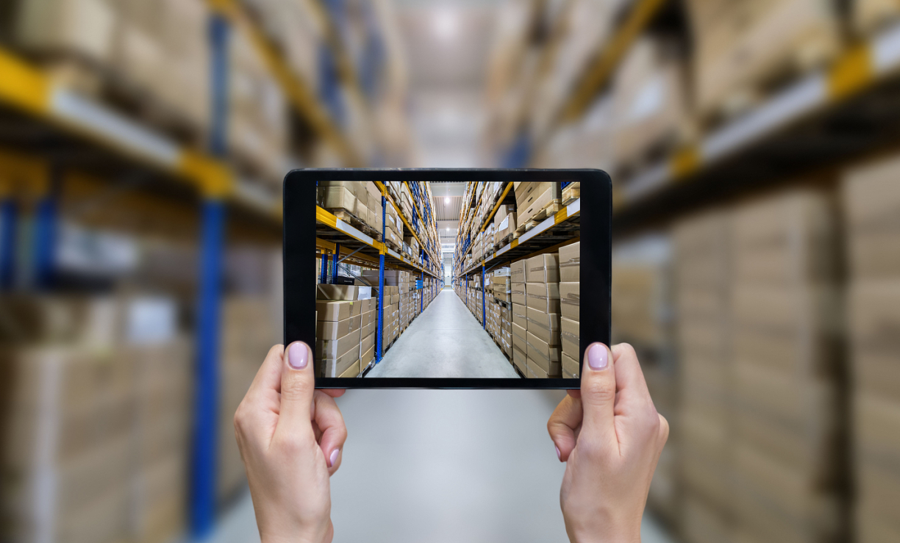
Under this model, merchants do not need to purchase large quantities of products upfront, greatly reducing the initial capital requirements. This opens the door to a more asset-light operation, allowing more entrepreneurs to enter the market. Furthermore, the process is simple; merchants are not burdened by cumbersome inventory management, enabling them to focus more on store operations, marketing, and customer service—key areas for success.
From an operational standpoint, the flexibility of the Dropshipping model is unparalleled. Merchants can freely choose which products to sell and adjust their offerings based on market trends and personal interests. Since they do not need to stockpile products, merchants can quickly adapt to market trends and avoid inventory issues. Moreover, as long as there is internet access, merchants can run their businesses from anywhere, making this geographic flexibility particularly appealing.
From a market and sales perspective, the Dropshipping model also demonstrates powerful advantages. The internet provides a vast platform, with a global market and an incredibly large potential customer base. Especially in the realm of cross-border e-commerce, it breaks down international barriers, allowing merchants to easily introduce products to the international market and significantly increase sales opportunities. Additionally, merchants can leverage a variety of low-cost marketing strategies, such as social media marketing, email marketing, and search engine optimization, all of which are effective and budget-friendly.
Modern consumers demand convenience and speed in their shopping experiences, and the Dropshipping model precisely meets this need. Suppliers ship directly to customers, reducing time lost in intermediary processes. Moreover, as e-commerce platforms continue to evolve, their support for the Dropshipping model becomes increasingly robust. These interwoven advantages significantly contribute to the burgeoning popularity of Dropshipping.
Cons of Dropshipping
Despite the many advantages of the dropshipping model, there are also some significant drawbacks.
Firstly, low profit margins are a major issue. Due to intense market competition, many dropshipping products have relatively small profit margins, meaning sellers may need to sell a large volume of items to achieve substantial profits. Additionally, since sellers cannot directly control inventory, they may face issues such as stockouts or incorrect shipments from suppliers, which not only affects customer satisfaction but can also harm the seller’s reputation.
Secondly, shipping delays are another challenge that cannot be ignored. Products are typically shipped directly from the supplier, which can lead to longer shipping times, especially in cross-border e-commerce, where customers may experience even longer wait times. Such delays can negatively impact the customer shopping experience and result in unfavorable reviews.

Furthermore, quality control difficulties are a significant drawback of dropshipping. Sellers cannot personally inspect product quality and must rely entirely on the supplier’s quality management. If customers receive unsatisfactory products, the seller may need to take responsibility and handle complex customer service requests, increasing operational challenges.
Finally, as more sellers enter the market, competition becomes increasingly fierce. Sellers also face challenges in brand building, as many products source from similar suppliers, making it difficult to attract customers through unique products or brand identities, which can lead to decreased customer loyalty.
In summary, while dropshipping offers a convenient operational model, sellers must carefully consider these potential drawbacks when entering the field and develop appropriate strategies to address the challenges.
How Dropsure Handles the Dropshipping Disadvantages

Dropsure is committed to addressing the inherent challenges of the dropshipping model. We offer services that help dropshippers achieve better results, including:
App Tracking
Our user-friendly app allows real-time tracking of shipments, ensuring transparency and keeping customers informed about their orders. This helps mitigate concerns about shipping delays and improves the overall shopping experience.
Overseas Warehousing
With strategically located warehouses, we ensure timely delivery to your customers, even for international shipments. This reduces shipping times and enhances customer satisfaction, tackling one of the key challenges in dropshipping.
Quality Control
We prioritize partnerships with reliable suppliers, enabling us to maintain higher quality standards. This minimizes the risk of unsatisfactory products reaching customers, thus reducing the complexity of customer service issues.
By leveraging these services, Dropsure empowers dropshippers to overcome common obstacles and achieve greater success in their business ventures.
Join Dropsure For Greater Success!