
















< Blogs

How to find the best free dropshipping suppliers in USA

Vivan Z.
Created on November 20, 2024 – Last updated on February 6, 20257 min read
Written by: Vivan Z.

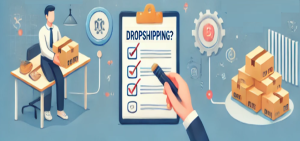
What is Dropshipping?

Dropshipping is a way to sell products online without keeping any stock. When a customer buys something, you send their order and payment to the supplier, who ships the product directly to them. This method is popular because it reduces your workload. You don’t need to rent storage space or worry about unsold items. Instead, you can spend your time and money on things like marketing.
dropshipping 2

How Does Dropshipping Work?

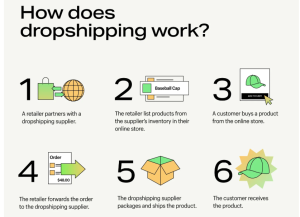
Here’s how dropshipping works in simple steps:

Find a Supplier: Look for a supplier who sells the products you want to offer. After you partner with them, they will handle storing, packing, and shipping. You can pick suppliers in your niche or use apps to access products from different suppliers.

Set Up Your Online Store: Build your online store using platforms like Shopify or WooCommerce. Add products from your supplier and set your prices. Many apps can update your listings automatically and send orders to suppliers for you.

Customer Places an Order: When a customer buys something from your store, the payment is processed, and they receive an order confirmation.

Send the Order to Your Supplier: After the payment goes through, you pass the order details to your supplier. If you use an app, this happens automatically.

Supplier Ships the Product: The supplier prepares the order and ships it to your customer. Some suppliers even offer branded invoices or special packaging.

Customer Gets the Product: The customer receives their order. You handle any questions or issues they might have.
how does dropshipping work
The image is sourced from Shopify.

Why Choose Free Dropshipping Suppliers in the USA?

Choosing free dropshipping suppliers in the USA can save you money and make starting your business easier.

Save Money: Free suppliers don’t charge membership fees. You also don’t need to spend money on inventory or storage, which gives you more to invest in marketing or your website.

Low Risk: You don’t have to buy products in bulk. This means you won’t lose money if something doesn’t sell. You can also try out new products easily without spending too much.

Easy to Start: Since you don’t need to manage inventory, it’s faster and cheaper to start your store. Suppliers take care of storage and shipping, so you can focus on growing your business.

Less Work: Suppliers handle most of the hard parts like packing and shipping. This saves you time and reduces mistakes.

How to Find the Best Free Dropshipping Suppliers in the USA

Finding a reliable supplier is one of the most important steps in building a successful dropshipping business. Your supplier directly impacts product quality, shipping times, and overall customer satisfaction. Start by deciding what type of products you want to sell. This decision should be based on market trends, customer demand, and your personal interests. For example, if you’re interested in fashion, look for suppliers offering clothing and accessories. Once you’ve identified your product niche, ensure the supplier has a variety of high-quality items that appeal to your target customers. Offering unique or trending products can give your store a competitive edge.

To find the best free dropshipping suppliers in the USA, leverage platforms like **Spocket** or **Modalyst**, which provide access to curated lists of suppliers. These platforms are user-friendly and allow you to filter suppliers based on location, product type, and other criteria. You can also conduct a simple Google search using terms like “free dropshipping suppliers in the USA” to discover more options. Additionally, join online communities such as Facebook groups or Reddit forums dedicated to dropshipping. Engaging with these communities can help you gather recommendations, learn from experienced sellers, and avoid common pitfalls.

Before committing to a supplier, it’s crucial to test their service. Place a small order to evaluate key factors such as product quality, packaging, and delivery times. This step ensures that the supplier meets your standards and can deliver a good experience for your customers. It’s also a good idea to compare several suppliers to determine which one offers the best combination of price, shipping speed, and reliability. Some suppliers may have better pricing but slower shipping, while others might excel in customer service.

When evaluating suppliers, prioritize those who integrate with popular e-commerce platforms like Shopify. Integration makes it easier to manage your store by automating processes such as order forwarding, inventory updates, and tracking information. A seamless connection between your store and supplier reduces manual work and minimizes errors, allowing you to focus on growing your business.

By thoroughly researching and testing suppliers, you can ensure that your dropshipping business runs smoothly, providing a positive shopping experience for your customers and setting the foundation for long-term success.

Top Dropshipping Suppliers

Here are some popular dropshipping suppliers:

Spocket: Offers products from USA and European suppliers.
AliExpress Dropshipping: A global platform with many product categories.
Modalyst: Features trending products and works with AliExpress.
SaleHoo: A directory of suppliers in various niches.
Doba: Lets you browse products from different suppliers.
Wholesale2B: Offers a large variety of products and integrates with major e-commerce platforms.
Worldwide Brands: A trusted list of reliable suppliers.
Sunrise Wholesale: Offers a wide range of products from home décor to jewelry.
MegaGoods: Sells items like kitchenware and electronics.
DropSure: Provides easy-to-use tools for dropshipping, including order tracking and fast shipping.
DropSure bottom

Why Wait? Start with DropSure Today!

DropSure makes dropshipping easy and affordable. It saves you time, offers quality products, and helps you grow your business without extra hassle. Whether you’re new to e-commerce or want to expand, DropSure is a great partner. Sign up today and start building your online store with confidence!
Buttom

DropSure is Your Best Partner
22 Years Experience
Affiliate Rebates
100% Quality Guarantee
Top-Up Rewards
10+ Global Warehouses
Custom Branding Support
Smart inventory System
24/7 Customer Support
Get a Quote in 24 Hours
Start Sourcing for Free

Keep Learning

Curious about the cost of starting a dropshipping business in 2024? You might be surprised! Whether you’re keeping things budget-friendly or looking to scale quickly, this guide breaks down the key expenses you’ll need to plan for. From hidden supplier charges to the best marketing tactics, you’ll find out how to boost your profits while keeping costs down. Want to know how much (or how little) you might spend getting started? Dive in to learn more Start-up Basic Expense As you embark on your eCommerce journey, some expenses are unavoidable, whether you’re launching a dropshipping store or any other type of online business. Let’s explore some of the most common startup costs. Business registration and licence filling fees eCommerce platform and marketplace fees Domain and hosting costs Marketing costs Product sourcing costs ● Business registration and license filing fees “You might wonder: I just want to start a dropshipping side hustle—do I really need to register a business? While it’s not always mandatory, registering your business offers several benefits and protections. When creating a dropshipping business, business registration and license filing fees are an essential start-up expense. Depending on your location and business structure, these fees can vary. Typically, registering a business name and obtaining necessary licenses can range from $50 to $500. For online businesses, you might also need to apply for specific permits or licenses related to e-commerce, depending on local regulations. It’s important to research the requirements in your area to ensure compliance and avoid legal issues down the road. Tips: Choose the business license that matches your needs—like a Seller’s Permit for selling products or a DBA for using a different business name. Check local regulations or […]

Have you ever dreamed of starting your own successful business without a lot of start-up capital? Building a high-growth, profitable e-commerce company from the ground up while minimizing the risks and costs associated with inventory and fulfillment is easier to achieve than you think. Direct sales is a business model that has allowed countless entrepreneurs to open online stores without any upfront inventory investment. By acting as a middleman between suppliers and consumers, direct selling allows you to test product-market fit, run marketing campaigns to drive sales, and scale your operations – all without having to physically touch the product. In this article, we’ll share the step-by-step blueprint developed over the past few years to create and grow multiple six-figure direct sales businesses. You’ll learn everything from choosing profitable product segments and finding reliable vendors to optimizing your website, placing ads and managing operations. How to Find Profitable Dropship Blueprint with Minimal Investment  Researching profitable product niches  Choosing a profitable niche is the key to building a successful direct sales business. First, you need to thoroughly research market trends and identify product categories that are currently in high demand and have relatively low competition. For example, areas such as pet supplies, home décor and baby products have shown steady growth in recent years. After identifying potential niches, it is crucial to assess market demand and the level of competition. Use tools such as Google Trends and Keyword Planner to analyze the search volume and level of competition for relevant products. Keywords with high search volume and moderate competition may point to a potential niche. Understanding your target audience is also key to success. Analyzing the demographics of potential customers, such […]

In the early days of dropshipping, success often came from chasing what was popular. If a product went viral, thousands of sellers rushed in. Margins were high, competition was low, and speed mattered more than strategy. That era is over. Today’s dropshipping landscape is crowded, competitive, and algorithm-driven. Selling the same trending products as everyone else no longer guarantees profit—in fact, it often guarantees failure. Rising ad costs, price wars, and consumer fatigue have made “hot products” increasingly difficult to scale. This is why a growing number of successful sellers are shifting their focus toward underrated, low-competition niches. These so-called “boring” or overlooked categories are quietly becoming the most reliable way to build sustainable dropshipping businesses. In this article, we’ll explore a new product selection mindset—one that prioritizes niche depth over mass appeal, data-backed demand over hype, and long-term positioning over short-term wins. 1. Why Traditional Dropshipping Product Selection Is Failing 1.1 The Saturation Problem Scroll through TikTok, YouTube, or Instagram, and you’ll see the same products repeated over and over: Viral gadgets “Problem-solving” kitchen tools Beauty devices with dramatic demos By the time these products reach mainstream attention: Hundreds of stores are already selling them Ad creatives look identical Consumers have seen them too many times Saturation doesn’t just reduce profit—it destroys trust. 1.2 Rising Costs and Shrinking Margins Popular niches attract: Aggressive ad bidding Copycat competitors Price undercutting As a result: Customer acquisition costs increase Average order value stagnates Profit margins collapse Many sellers mistakenly believe the problem is marketing, when in reality, the issue lies in product selection. 2. What Does “Underrated Niche” Really Mean? 2.1 Underrated Does Not Mean No Demand An underrated niche is not […]