
















 En
En
 8 min read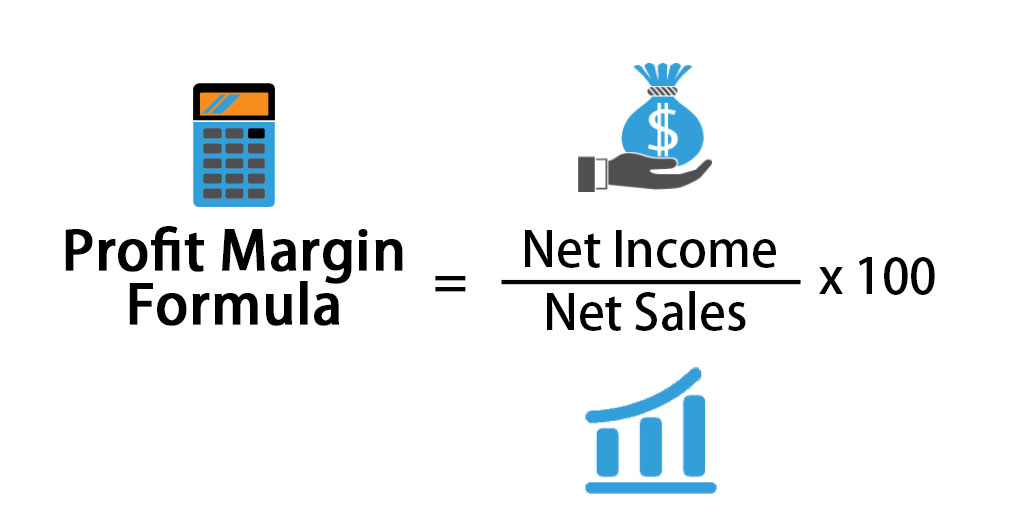
Should I focus on high-profit products or high-volume products?
At first glance, the answer seems obvious. High margins sound attractive, while high sales volume feels safer. But in reality, dropshipping success rarely comes from choosing one extreme over the other. The most sustainable stores are built by sellers who understand how to balance profit margins and sales volume—and how that balance shifts depending on product type, traffic source, and business stage.
This article breaks down the real economics behind dropshipping products, explains why many stores fail despite “good margins,” and shows how to select products that can scale without destroying cash flow, ad performance, or operational stability.
1. Understanding the Two Forces That Drive Dropshipping Revenue
1.1 Profit Margin: What You Earn Per Order
Profit margin is usually calculated as:
(Selling Price – Product Cost – Shipping – Transaction Fees – Ad Cost) = Net Profit
High-margin products:
-
Leave more room for advertising
-
Absorb returns and refunds more easily
-
Require fewer orders to be profitable
But they often face higher resistance to purchase.
1.2 Sales Volume: How Many Orders You Generate
Sales volume is driven by:
-
Market demand
-
Price sensitivity
-
Ease of understanding the product
-
Impulse-buy potential
High-volume products:
-
Move fast
-
Generate social proof quickly
-
Help stores look “alive”
But they can suffer from thin margins and operational pressure.
2. Why Chasing Only High Margins Often Fails
2.1 The High-Margin Illusion
Many beginners believe:
“If I make $40 per sale, I only need a few orders a day.”
In practice:
-
High-margin products usually require stronger branding
-
Conversion rates are lower
-
Customer trust becomes a bigger barrier
Without brand authority, expensive products are hard to scale.
2.2 Higher Prices Mean Higher Expectations
As prices rise:
-
Customers expect better quality
-
Shipping delays feel less acceptable
-
Refund requests increase
-
Customer service workload grows
Margins look good on paper—but erode quickly in reality.
3. Why High-Volume, Low-Margin Products Are Also Risky
3.1 Thin Margins Leave No Room for Error
Low-margin products:
-
Depend heavily on ad efficiency
-
Break easily when CPMs rise
-
Collapse during platform algorithm changes
A small cost increase can wipe out profits overnight.
3.2 Operational Stress at Scale
High-volume products create pressure on:
-
Order processing
-
Supplier reliability
-
Customer support
-
Refund handling
Without systems, volume becomes chaos.
4. The Sweet Spot: Medium Margin + Scalable Volume
Successful dropshippers often target:
-
Medium price points
-
Moderate but repeatable volume
-
Expandable average order value (AOV)
This balance allows:
-
Sustainable ad testing
-
Room for creative experimentation
-
Gradual scaling instead of boom-and-bust cycles
5. Understanding Customer Psychology in Pricing
5.1 Impulse vs Considered Purchases
Impulse-buy products:
-
$15–$40 range
-
Solve obvious problems
-
Require minimal explanation
Considered purchases:
-
$60+
-
Require comparison
-
Trigger hesitation
Dropshipping favors impulse-friendly pricing, especially early on.
5.2 Perceived Value Matters More Than Cost
A product doesn’t need to be cheap—it needs to feel worth it.
Perceived value comes from:
-
Clear problem-solution messaging
-
Visual demonstrations
-
Bundling
-
Presentation and storytelling
Strong perceived value supports both margin and volume.
6. How Product Type Influences the Margin–Volume Balance
6.1 Commodity Products
Examples:
-
Phone accessories
-
Simple home tools
Traits:
-
High demand
-
Low margins
-
Heavy competition
These require volume strategies and differentiation.
6.2 Problem-Solving Niche Products
Examples:
-
Organization tools
-
Health and wellness accessories
-
Pet problem solvers
Traits:
-
Moderate margins
-
Strong emotional triggers
-
Better storytelling potential
These are often ideal for balanced growth.
6.3 Lifestyle or Brand-Oriented Products
Examples:
-
Premium home goods
-
Fashion accessories
-
Personalized items
Traits:
-
Higher margins
-
Lower initial volume
-
Strong brand dependency
Best for sellers willing to build long-term brands.
7. Ad Costs: The Invisible Factor in Margin Calculations
7.1 Gross Margin vs Net Margin
Many sellers calculate margins before ads.
The reality:
-
Ads are usually the largest cost
-
CPM volatility affects everything
-
Creative fatigue raises acquisition costs
A “high-margin” product with poor ad performance is still unprofitable.
7.2 Products That Support Creative Testing
Balanced products allow:
-
Multiple creative angles
-
User-generated content
-
Short-form video testing
More creatives = better ad efficiency = healthier margins.
8. Using AOV to Improve Both Margin and Volume
8.1 Bundles and Upsells
Instead of raising price, smart sellers:
-
Bundle related items
-
Offer quantity discounts
-
Add post-purchase upsells
This increases profit without reducing conversion rates.
8.2 Accessories and Refills
Products with:
-
Consumables
-
Accessories
-
Variations
Support repeat purchases and higher lifetime value (LTV).
9. Supplier Reality: Why Margins Must Match Supply Stability
A product with great margins but:
-
Inconsistent quality
-
Long shipping times
-
Poor communication
Will fail at scale.
Balanced products must be supported by:
-
Reliable suppliers
-
Stable production
-
Predictable fulfillment
Margins mean nothing without delivery.
10. The Role of Refunds and Chargebacks
Refund rates silently destroy profits.
Higher-priced products:
-
Attract more scrutiny
-
Trigger more disputes
-
Increase payment processor risk
Medium-priced products usually experience lower refund friction.
11. Testing Phase vs Scaling Phase: Different Rules Apply
11.1 Testing Phase Priorities
During testing:
-
Focus on conversion signals
-
Accept lower margins
-
Optimize creatives and positioning
Volume matters more than perfection.
11.2 Scaling Phase Priorities
During scaling:
-
Protect margins
-
Improve AOV
-
Optimize fulfillment costs
At this stage, efficiency becomes critical.
12. Why “Best-Selling” Doesn’t Always Mean “Most Profitable”
High sales volume:
-
Builds ego
-
Looks impressive on dashboards
But profitability depends on:
-
Net margin
-
Operational efficiency
-
Customer lifetime value
Smart sellers optimize profit per visitor, not just sales count.
13. Market Saturation and the Margin–Volume Tradeoff
As products saturate:
-
Prices drop
-
Ad costs rise
-
Margins shrink
Balanced products allow:
-
Creative differentiation
-
Niche targeting
-
Price flexibility
This extends product lifespan.
14. Long-Term Thinking: From Product to Business
Dropshipping success isn’t about one product.
Balanced product strategies:
-
Build cash flow
-
Fund testing
-
Support brand evolution
They turn short-term wins into long-term businesses.
15. Data You Should Track to Maintain Balance
Key metrics include:
-
Contribution margin
-
Conversion rate
-
AOV
-
Refund rate
-
Customer acquisition cost (CAC)
Decisions should be data-driven, not emotional.
16. Common Mistakes Sellers Make When Balancing Profit and Volume
-
Overpricing unbranded products
-
Racing to the bottom on price
-
Ignoring ad fatigue
-
Scaling before systems are ready
Balance requires patience and discipline.
17. Case Pattern: Why Many “Viral Products” Collapse
Viral products often:
-
Explode in volume
-
Have thin margins
-
Burn out quickly
Sellers who extract value early survive.
Those who chase volume blindly don’t.
18. When to Choose Margin Over Volume (And Vice Versa)
Choose margin when:
-
Traffic is expensive
-
Brand trust exists
-
Customer support is strong
Choose volume when:
-
Demand is clear
-
Fulfillment is stable
-
Systems are automated
Context matters.
19. Building a Repeatable Product Selection Framework
Winning sellers ask:
-
Can this product convert easily?
-
Is there room to increase AOV?
-
Can margins survive scaling?
-
Is the supply chain reliable?
If the answer is “yes” across the board, the product is viable.
20. The Real Goal: Predictable Profit, Not Extreme Results
Dropshipping is not about:
-
Maximum margin
-
Maximum volume
It’s about predictable, repeatable profit.
The sellers who last aren’t the loudest—they’re the most balanced.
Conclusion: Balance Is the Real Competitive Advantage
In dropshipping, extremes are seductive—but fragile.
High margins without volume stall growth.
High volume without margins burns out fast.
The most successful sellers learn to balance both—adjusting strategy as products, platforms, and markets evolve.
If you can consistently choose products that:
-
Sell easily
-
Leave room for profit
-
Scale without breaking systems
You’re no longer guessing—you’re building a real business.
And in dropshipping, that balance is everything.