















 En
En
 12 min read
Ghost Commerce is a way to run an online business without keeping inventory or managing shipping. Instead of handling products yourself, you rely on third-party suppliers to send the products directly to your customers. In this article, we’ll explore what Ghost Commerce is, the pros and cons of Ghost Commerce, and the key steps you need to follow to successfully set up and run a Ghost Commerce business. Whether you’re considering affiliate marketing, dropshipping, or print-on-demand, Ghost Commerce offers a flexible way to enter the e-commerce space with a low barrier to entry.
What Is Ghost Commerce?

At its core, Ghost Commerce is an online retail model where businesses promote and sell products without having any physical inventory or a traditional brick-and-mortar presence. In essence, it’s about creating an online business that operates from the shadows.
Much like a ghostwriter writes books that are credited to another author, a Ghost Commerce business promotes products that aren’t physically owned by the seller. Instead of handling stock, shipping, or warehousing, businesses rely on third-party suppliers, often through platforms like Amazon, Shopify, or other e-commerce sites. The focus is on creating a solid online presence and directing consumers to purchase from these suppliers.
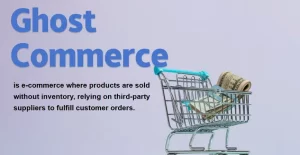
This model allows entrepreneurs to enter the e-commerce space without the significant upfront costs typically associated with running an online store. Rather than spending money on inventory, warehousing, and logistics, Ghost Commerce businesses rely heavily on marketing strategies, such as content marketing, social media, and influencer collaborations, to drive traffic and generate sales.
Types of Ghost Commerce

While Ghost Commerce is an overarching concept, there are different types of models under this umbrella. Some of the most common forms include:
Affiliate Marketing
In affiliate marketing, businesses promote products from third-party retailers and earn a commission for every sale made through their unique affiliate links. This is one of the simplest and most popular forms of Ghost Commerce.
Dropshipping
Dropshipping is a model where businesses sell products they don’t own. When a customer places an order, the product is shipped directly from the supplier to the customer. The seller profits from the markup on the product without ever handling it themselves.
If you’re interested in starting a dropshipping business, DropSure is the perfect platform for you. It simplifies the process, allowing you to sell products without inventory management. With DropSure, you can easily connect with reliable suppliers, handle orders seamlessly, and focus on growing your business while we take care of the rest. Sign up today and start your dropshipping journey!

Print on Demand
This is similar to dropshipping, but instead of physical products, it focuses on custom-designed products, like t-shirts, mugs, or posters. The seller designs the product, and when a customer places an order, the item is printed and shipped by a third-party provider.
Influencer Marketing
Influencers with a significant online following promote third-party products to their audience. They earn a commission for every sale made through their unique links. This is often seen on Instagram, YouTube, and TikTok.
While this model offers a host of benefits, it’s not without its drawbacks.In the next section, I’ll analyze the pros and cons of Ghost Commerce to help you determine if this business model is the right fit for you.
The Pros of Ghost Commerce

1. Low Initial Investment
One of the most compelling advantages of Ghost Commerce is the low upfront cost. Traditional e-commerce businesses often require significant capital for inventory, storage, and fulfillment. With Ghost Commerce, there’s no need to purchase products in bulk or invest in warehouse space. Instead, businesses can focus their budget on building a strong online presence and investing in marketing strategies.
2. Scalability
Ghost Commerce businesses are inherently scalable. Since you’re not tied to managing inventory or fulfillment, you have the flexibility to add more products or expand into new markets without worrying about logistics. You can increase the number of items you promote or work with multiple suppliers to offer a wider range of products.
3. Reduced Operational Complexity
Unlike traditional e-commerce models, Ghost Commerce eliminates many of the operational challenges associated with running a business. There’s no need to worry about sourcing products, managing stock, handling returns, or packing shipments. All of these logistical tasks are handled by third-party suppliers or dropshipping partners, leaving you with more time to focus on marketing, branding, and growing your business.
The Cons of Ghost Commerce

1. Lower Profit Margins
One of the significant drawbacks of Ghost Commerce is the potential for lower profit margins. In many cases, Ghost Commerce businesses rely on affiliate commissions or a markup on wholesale prices. The margins may be thinner compared to traditional retail models where you can set your own pricing and control inventory costs.
For example, dropshipping often involves sourcing products from suppliers at a low price, then selling them at a markup. However, competition can drive prices down, making it harder to maintain healthy profit margins. This can be particularly challenging in industries where price sensitivity is high.
2. Lack of Control Over Product Quality and Fulfillment
Since you’re not physically handling the products, there’s a lack of control over their quality and fulfillment. This can be a significant risk in terms of customer satisfaction. If a supplier ships a damaged product or fails to meet shipping deadlines, it reflects poorly on your business, even though you had no direct involvement in the issue.
3. Intense Competition
The low barrier to entry in Ghost Commerce means that competition is fierce. With so many businesses operating in this space, standing out becomes a challenge. Many entrepreneurs are drawn to models like affiliate marketing or dropshipping because they’re cost-effective and easy to start. However, this also means that you’re competing with numerous other businesses selling similar or identical products. 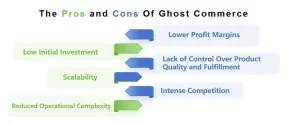
Is Ghost Commerce Legit?

The short answer is yes—Ghost Commerce is a legitimate business model. However, like any business, its success depends on how it is executed. Here’s why Ghost Commerce is considered legitimate:
Established Business Models
The components of Ghost Commerce—affiliate marketing, dropshipping, and print-on-demand—are all well-established and widely used e-commerce models. Companies such as Amazon, Shopify, and even influencers on platforms like Instagram and YouTube leverage these models to run successful businesses. Many entrepreneurs have built sustainable incomes using these strategies.
Legal and Transparent Operations
Ghost Commerce itself is not illegal. The businesses involved are following the same basic principles of selling goods and services as any other e-commerce store, just without the need for physical inventory. As long as businesses are transparent with their customers and comply with relevant regulations—such as disclosing affiliate links or ensuring product quality—the model is perfectly legal.
Low Start-Up Cost and Accessibility
One of the reasons for the rise in Ghost Commerce is its low barrier to entry. Unlike traditional e-commerce, where you may need to invest heavily in inventory or storage, Ghost Commerce allows entrepreneurs to operate with minimal upfront costs. While this can make it easier to get started, it also means more people can enter the space, which can lead to market saturation.
How to Do Ghost Commerce: A Step-by-Step Guide

Ghost Commerce has become a popular business model for entrepreneurs looking to build an online retail business without the overhead of managing physical inventory. Unlike traditional e-commerce models, Ghost Commerce relies on digital marketing, third-party suppliers, and fulfillment services to manage and deliver products directly to customers. While this business model has minimal upfront costs and is relatively easy to set up, understanding the entire workflow—from customer interaction to product delivery—is crucial to its success.
In this article, we’ll break down the process of doing Ghost Commerce into key steps, detailing how orders are made, processed, and delivered to customers without ever having to handle the physical goods yourself.
Step 1. Establish Your Online Presence
The first step in Ghost Commerce is setting up an online presence. This is crucial as it serves as the main platform where customers will interact with your business. Your online presence could take several forms
Step 2. Select Your Products and Suppliers
Since Ghost Commerce doesn’t involve holding inventory, you’ll rely on suppliers to fulfill orders. The next step is to choose products to sell and find reliable suppliers. For tips on selecting the right products, check out our article Tips to Know When Choosing Dropship Products. Additionally, to learn how to find the best dropshipping suppliers, click here to read How Dropshippers Find Their Best Dropshipping Suppliers.
Step 3. Market Your Products and Drive Traffic
Once you’ve set up your online presence and selected products, the next step is to market your offerings and drive traffic to your website or sales platform. This involves creating a strong marketing strategy to increase visibility and attract potential customers. Start by leveraging social media platforms like Instagram, Facebook, and TikTok to reach your target audience, utilizing both organic posts and paid ads. You can also optimize your website for search engines (SEO) to ensure your products appear in relevant search results.
Step 4. Order Placement and Confirmation
When a customer decides to buy a product, they will place an order on your website or platform. Order placement is a critical moment in the Ghost Commerce process. After the order is placed, an order confirmation page should appear, and a confirmation email should be sent to the customer, detailing their purchase, payment, and expected delivery time.
Step 5. Product Fulfillment
With the order confirmed, the next step is product fulfillment. In Ghost Commerce, this is where the model differs from traditional e-commerce, as the fulfillment is done by third-party suppliers or fulfillment centers. These third-party entities are responsible for picking, packing, and shipping the product directly to the customer.
Step 6. Product Shipping and Tracking
Once the product is with the supplier, the next step is shipping. Handling customer inquiries about shipping times, tracking information, and delivery issues is an important part of maintaining a smooth operation.
Step 7. Customer Feedback and Support
Once the product reaches the customer, their experience doesn’t end there. After receiving the product, customers may have questions about the item, need assistance with returns or exchanges, or want help with any issues that arise during the shipping process. Timely and professional communication plays a key role in ensuring customer satisfaction.
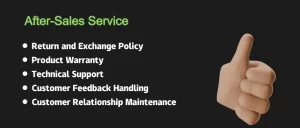
By following these steps—from creating your online presence to handling post-purchase support—you can successfully operate a Ghost Commerce business that generates profits without the complexities of traditional e-commerce logistics.
Whether you’re looking to explore Ghost Commerce, dropshipping, or other online selling models, DropSure provides the tools and support you need to succeed.If you’re ready to start your online business, DropSure is the perfect platform for you. It simplifies sourcing, order fulfillment, and helps you focus on growing your brand.
Sign up today with DropSure and get started with ease, whether you’re exploring Ghost Commerce, dropshipping, or other models.
Ready to get started?
Register with DropSure today and begin your e-commerce journey with confidence!