


















< Blogs

Shopify or WordPress: Which One is Better for Dropshipping?

Vivan Z.
Created on November 21, 2024 – Last updated on February 6, 20255 min read
Written by: Vivan Z.

Shopify vs WordPress

If you’re starting a dropshipping business, Shopify and WordPress are two popular platforms to choose from. Both have their strengths and weaknesses, but the right one depends on your skills, business needs, and future plans. Let me break it down in simple terms to help you decide.


Shopify: Easy and Perfect for Beginners

Shopify

Shopify is made for e-commerce, and it’s super simple to use. Don’t know coding? No problem! Shopify has tons of ready-to-use templates. It’s like building with Lego blocks—you just drag, drop, and create your store. It comes with built-in tools for payments, shipping, and managing orders. This saves you time and lets you focus on selling.

shopify template

Shopify also has a massive app store. You’ll find tools like Oberlo and Importify to quickly add products, Klaviyo and MailChimp for email marketing, and Privy or Upsell to boost sales. These apps make dropshipping smooth and stress-free.
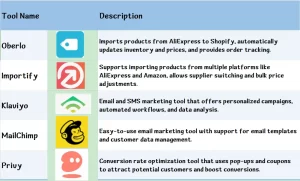
tools

But Shopify isn’t cheap. The basic plan starts at $29/month, and as your store grows, you might pay more, especially if you use third-party payment gateways. Also, if you want very specific designs or functions, Shopify can feel limiting.


WordPress: Flexible and Powerful, but Needs Tech Skills

Wordpress

WordPress, on the other hand, is a powerful option if you want more control. By adding the WooCommerce plugin, you can turn WordPress into a full e-commerce platform. The biggest advantage? Flexibility. You can design your store however you like and customize features such as payment methods or shipping options.
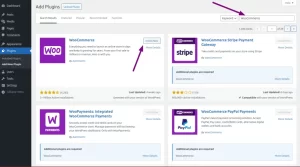
Woocommerce
Searching and showing the WooCommerce plugin via the Add Plugin WordPress screen.

WordPress is open-source, meaning there are endless plugins and resources available. It’s also cheaper—just pay for hosting and a domain, which costs less than Shopify’s monthly fees.

But here’s the catch: WordPress is not beginner-friendly. If you’re not tech-savvy, setting up plugins, payment systems, and optimizing your site can be overwhelming. And when things go wrong, there’s no centralized support. You’ll need to figure it out yourself or rely on online forums.


Who Should Choose Shopify?

Shopify is perfect if you’re new to e-commerce or want to start fast. It’s simple, has everything you need in one place, and their support team is always there to help. You can focus on selling without worrying about technical stuff.


Who Should Choose WordPress?

Go with WordPress if you know a bit about websites or don’t mind learning. It’s highly customizable and great for unique designs or features. Plus, it’s cheaper long-term. If you’re planning to scale and want full control, WordPress is a smart choice.


Which Platform Has Lower Long-Term Costs: Shopify or WordPress?
dropshipping

When comparing Shopify and WordPress, WordPress generally has lower long-term costs, especially if you manage your site efficiently. Here’s why:


WordPress: Lower Long-Term Costs

No Ongoing Subscription Fees
WordPress itself is free. You’ll only pay for hosting (starting around $5–$15/month), a domain (around $10–$20/year), and any plugins or themes you choose to add. Many plugins are free or have affordable one-time fees.

Customizable for Budget
WordPress allows you to scale costs based on your needs. If you’re on a budget, you can use free plugins and themes. As your business grows, you can invest in premium tools without paying a fixed monthly fee.

No Transaction Fees
WordPress doesn’t charge transaction fees unless you use certain payment gateways that have their own fees. You’ll save more as your revenue grows.


Shopify: Higher Costs Over Time

Monthly Subscription Fees
Shopify starts at $29/month and can go up to $299/month for advanced plans. These fees are unavoidable as long as you use the platform.

Transaction Fees
If you use a third-party payment gateway (like PayPal or Stripe), Shopify takes an additional transaction fee (0.5%–2%), which can add up as your sales increase.

App Costs
Many Shopify apps require monthly fees, and these can stack up quickly if you need multiple tools for your store.


Final Advice

If you’re a beginner, Shopify is the way to go—easy, quick, and hassle-free. If you’re more experienced or willing to learn, WordPress gives you more flexibility and control. Either way, pick the one that fits your needs, and take the first step toward building your dropshipping business. Success is waiting for you!


Buttom

DropSure is Your Best Partner
22 Years Experience
Affiliate Rebates
100% Quality Guarantee
Top-Up Rewards
10+ Global Warehouses
Custom Branding Support
Smart inventory System
24/7 Customer Support
Get a Quote in 24 Hours
Start Sourcing for Free

Keep Learning

  Have you thought about dropshipping through Walmart? Walmart is one of the biggest retailers in the world, and with the rise of Walmart online shopping, it’s becoming an even bigger player in the e-commerce space. But what can it really offer dropshippers? Today, let’s explore how Walmart can impact your dropshipping business and see if it could be the secret to your success! Walmart is more than just a big supermarket. It’s also a major player in e-commerce, with a strong presence online. Many sellers are already working with Walmart in the e-commerce space. So, if you’re thinking about starting dropshipping, Walmart is definitely worth considering. Now, let’s answer a big question: “Does Walmart offer dropshipping services?” Let’s see how Walmart can support your dropshipping business.   What is the scale of Walmart’s e-commerce business?     Source:Retail Brew From 2022 to 2024, Walmart’s e-commerce business has continued to grow and gradually become a key driver of the company’s expansion. In 2022, Walmart’s U.S. e-commerce sales reached $73 billion, with particularly strong performance in online groceries, where it captured 37% of the market share. In comparison, Amazon still holds a dominant position in the e-commerce market, but Walmart has gained a significant advantage, particularly in food retail, by integrating its online and offline businesses more effectively.   In terms of user engagement, Walmart’s e-commerce platform attracted over 150 million active users in 2022, while Amazon’s Prime membership surpassed 200 million globally, showing that Amazon’s user base is still far ahead. However, Walmart is narrowing this gap by launching membership services and optimizing the shopping experience. By 2023, Walmart’s e-commerce sales continued to grow, and it’s expected to approach $80 billion […]

With the rapid growth of e-commerce, dropshipping has become a popular choice for many entrepreneurs and small businesses. This business model allows sellers to fulfill customer orders directly through suppliers without holding inventory, thereby reducing capital and warehousing costs. In recent years, Hong Kong has increasingly attracted global dropshipping sellers due to its unique geographical location and convenient business environment. According to data from the Hong Kong Census and Statistics Department, Hong Kong’s total import and export volume reached HKD 5.5 trillion in 2023, with trade infrastructure ranking among the best globally. Additionally, data from the Global Shipping Association shows that Hong Kong’s port ranks in the world’s top ten in terms of cargo throughput, ensuring efficient logistics and global distribution for dropshipping businesses. So, is Hong Kong really the right place to start a dropshipping business? Let’s explore the pros and cons to help you make a better decision. Unique Advantages of Dropshipping in Hong Kong Strategic Location and Market Advantages Hong Kong is strategically located in the heart of Asia, bordering mainland China, making it not only a hub for convenient supply chain connections but also a global center for freight and logistics. This is crucial for Dropshipping sellers as it translates to faster shipping times and lower shipping costs. Hong Kong is close to major Chinese ports such as Shenzhen and Guangzhou, offering a range of flexible transportation options, including air, sea, and land transport. This logistical advantage enables Dropshipping sellers to deliver products to customers in different countries in a shorter amount of time, making Hong Kong an attractive choice for those looking to expand into the Asian market. Developed Logistics Network Hong Kong’s logistics network […]

Surprisingly, after the United States wantonly imposed tariffs, a Chinese cross – border e – commerce app quickly gained popularity in the United States. According to a report by Securities China citing the technology website TechCrunch, the Chinese cross – border e – commerce app DHgate has become extremely popular in the United States. The app has jumped to the second place on the free app ranking list of the US App Store, only second to ChatGPT. Meanwhile, on Sunday, April 13th, the number of installations on the iOS platform increased to 117,500, representing a 732% increase compared to the 30 – day average. Among them, the number of downloads in the US market reached 65,100, with a 940% increase. What is DHgate.com? DHgate is a comprehensive online trading platform that primarily offers wholesale and retail services for a wide variety of products. These range from electronics, fashion apparel, home goods, beauty and cosmetics, sports and outdoor gear, to automotive accessories and more. The platform hosts over 1.2 million international sellers and supplies more than 33 million products. Buyers come from over 190 countries around the world, with a global buyer base of over 10 million. It supports multiple languages, including English, French, German, Italian, Portuguese, Russian, and Spanish, as well as Chinese, making it convenient for users across the globe to use. The platform allows importers from around the world to purchase small quantities of Chinese goods at wholesale prices. It offers both individual product sales and discounted prices for bulk purchases. This is especially beneficial for merchants or retailers who can lower their procurement costs by buying in larger quantities. Meanwhile, consumers looking for budget-friendly options can also […]