















 En
En
 9 min read
What is Private Label Dropshipping?
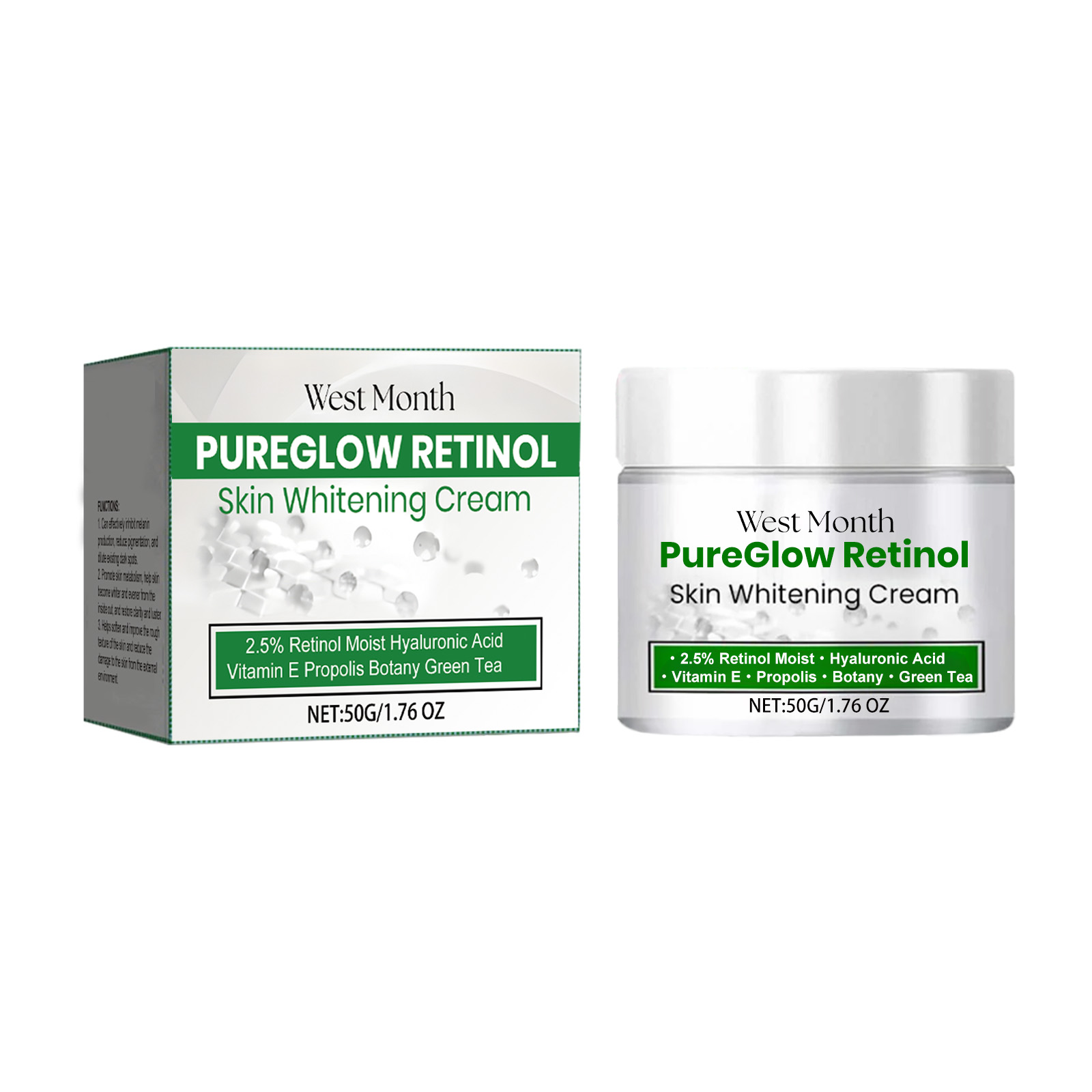
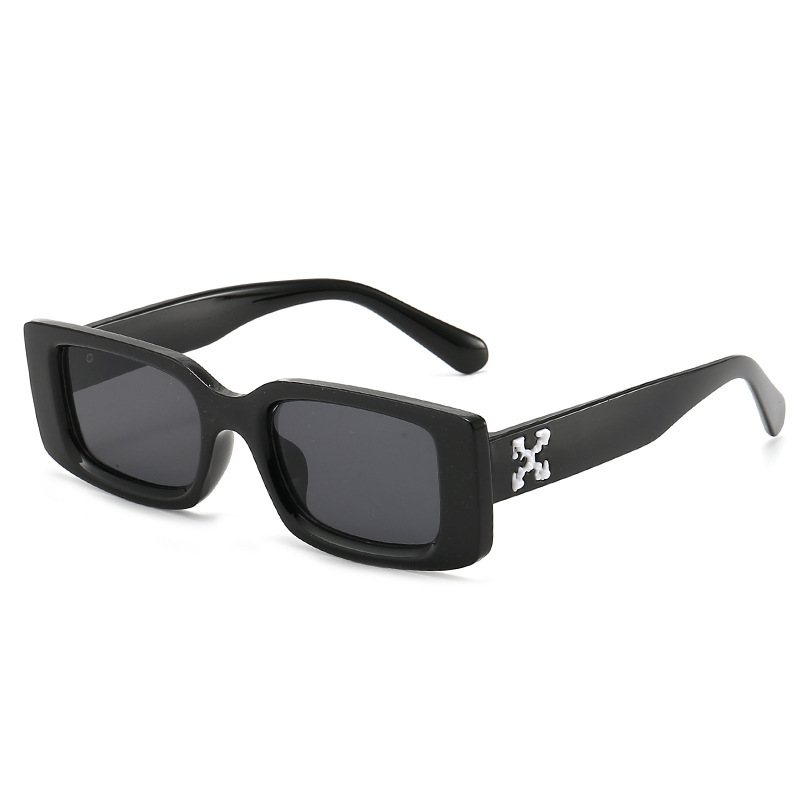
Private label dropshipping is a business model where you sell products manufactured by a third party but branded with your own logo and packaging. Unlike traditional dropshipping, where you sell generic items from suppliers, private labeling allows you to create a unique brand identity and stand out in the market.
Embarking on a private label dropshipping venture offers a multitude of advantages that can significantly enhance your business’s success. Let’s delve into these benefits:
1. Brand Ownership
By engaging in private label dropshipping, you’re not merely reselling generic products; you’re cultivating a distinctive brand that resonates with your target audience. This approach allows you to:
-
Establish a Unique Identity: Crafting a brand with personalized logos, packaging, and messaging sets your products apart in a crowded marketplace.
-
Build a Loyal Customer Base: A strong brand fosters trust and recognition, encouraging repeat purchases and long-term customer relationships.
This level of ownership transforms your business from a simple storefront into a recognized entity with its own story and values.
2. Higher Profit Margins
Branded products often command premium pricing compared to generic counterparts. With private label dropshipping:AutoDS+1Shopify+1
-
Increased Perceived Value: Custom branding elevates the perceived quality and exclusivity of your products, justifying higher price points.
-
Enhanced Profitability: The ability to set your own prices, free from direct competition on identical items, allows for healthier profit margins.
This financial flexibility enables reinvestment into marketing, product development, and other growth strategies.
3. Competitive Advantage
In a saturated market, differentiation is key. Private label dropshipping provides:
-
Product Customization: Tailoring products to meet specific customer needs or preferences gives you an edge over sellers offering standard items.
-
Market Distinction: A unique brand identity helps your business stand out, making it more memorable to consumers.
This strategic positioning can lead to increased market share and a stronger presence in your chosen niche.
4. Customer Loyalty
Building a brand through private label dropshipping fosters deeper connections with your customers:
-
Trust and Consistency: Consistent branding and quality assurance build trust, making customers more likely to return for future purchases.
-
Emotional Engagement: A well-crafted brand story can resonate emotionally, creating a loyal community around your products.
This loyalty not only boosts repeat sales but can also lead to organic word-of-mouth marketing as satisfied customers share their experiences.
5. Control Over Pricing
Unlike selling generic products, private labeling grants you autonomy over pricing strategies:
-
Freedom from Direct Competition: With unique products, you’re not competing on price with identical items, allowing for more strategic pricing.
-
Value-Based Pricing: You can price products based on the value they provide to customers, rather than being constrained by market rates for generic goods.
This control enables you to balance competitiveness with profitability effectively.
In summary, private label dropshipping empowers you to build a unique brand, enjoy higher profit margins, differentiate yourself in the market, cultivate customer loyalty, and have greater control over your pricing strategy. These benefits collectively contribute to creating a sustainable and successful e-commerce business.
How to Start a Private Label Dropshipping Business
Embarking on a private label dropshipping venture is an exciting journey that merges the benefits of brand ownership with the operational ease of dropshipping. To navigate this path successfully, it’s essential to delve deeper into each foundational step and be aware of the challenges that may arise.Gelato
1. Choose a Niche
Selecting a niche with strong demand and manageable competition is crucial. Look for trending products, but also consider long-term viability. Examples include fitness gear, skincare, pet supplies, and eco-friendly products.
2. Find a Reliable Supplier
Collaborating with trustworthy suppliers is the backbone of your private label dropshipping business. Here’s how to approach this critical step:
-
Supplier Research: Platforms like Alibaba, CJ Dropshipping, and Spocket offer extensive directories of manufacturers providing private labeling services. When evaluating suppliers, consider their experience, production capabilities, and willingness to accommodate customization requests.
-
Quality Assurance: Request product samples to assess quality firsthand. This step ensures that the products meet your standards and align with your brand’s promise.
-
Minimum Order Quantities (MOQs): Be mindful of MOQs, as some suppliers may require bulk orders for private labeling. Negotiating favorable terms or starting with smaller quantities can help mitigate financial risks.
3. Design Your Branding
Establishing a compelling brand identity differentiates your products in the market. Focus on the following elements:
-
Logo: Design a memorable logo that encapsulates your brand’s essence. A professional logo enhances brand recognition and credibility.
-
Packaging Design: Invest in attractive packaging that reflects your brand’s aesthetics. Thoughtful packaging can enhance the unboxing experience, leaving a lasting impression on customers.
-
Custom Labels: Ensure that product labels are informative and align with your brand’s visual identity. Clear labeling fosters trust and complies with regulatory standards.
-
Branded Website & Marketing Materials: Develop a cohesive online presence with a branded website and consistent marketing collateral. This uniformity reinforces brand identity across all customer touchpoints.
4. Build an Online Store
Creating an intuitive and visually appealing online store is vital for converting visitors into customers. Consider the following:
-
Platform Selection: Platforms like Shopify, WooCommerce, or BigCommerce offer user-friendly interfaces and customizable templates, facilitating a seamless store setup.
-
User Experience (UX): Design your store with the customer journey in mind. Easy navigation, fast load times, and mobile responsiveness enhance the shopping experience.
-
Product Presentation: Use high-quality images and detailed descriptions to showcase your products. Highlight unique features and benefits to persuade potential buyers.
5. Set Up a Marketing Strategy
A robust marketing strategy amplifies your brand’s reach and drives sales. Implement a multifaceted approach:
-
Social Media Marketing: Leverage platforms like Instagram, TikTok, and Facebook to engage with your audience. Share compelling content, run promotions, and interact with followers to build a community around your brand.
-
Influencer Collaborations: Partner with influencers whose audiences align with your target market. Authentic endorsements can significantly boost brand credibility and reach.
-
SEO & Content Marketing: Optimize your website for search engines by incorporating relevant keywords. Create valuable content, such as blogs and tutorials, to attract organic traffic and establish authority in your niche.
-
Paid Ads: Invest in targeted advertising campaigns on platforms like Facebook and Google Ads. Define clear objectives and monitor performance to ensure a favorable return on investment.
6. Manage Order Fulfillment & Customer Service
While your supplier handles order fulfillment, maintaining exceptional customer service is your responsibility:
-
Customer Communication: Respond promptly to inquiries and provide clear information about products, shipping, and policies. Transparent communication fosters trust and satisfaction.
-
Returns and Refunds: Establish a straightforward returns policy and handle refund requests efficiently. Positive resolution of issues can turn dissatisfied customers into loyal advocates.
-
Feedback Loop: Encourage customers to leave reviews and provide feedback. Use this information to improve products and services continually.
Challenges of Private Label Dropshipping
Being aware of potential challenges prepares you to address them proactively:
-
Higher Initial Costs: Investments in branding, packaging, and marketing can increase startup expenses. Careful budgeting and financial planning are essential to manage these costs effectively.
-
Longer Production Times: Customized products may require extended production and processing periods. Communicate estimated delivery times clearly to customers to manage expectations.
-
Quality Control Risks: Relying on suppliers for product quality necessitates diligent selection and ongoing monitoring. Establish quality assurance protocols to mitigate risks.
-
Supplier Reliability: Dependence on external suppliers for production and fulfillment underscores the importance of building strong, trustworthy partnerships. Regular communication and performance evaluations can help maintain reliability.
-
Market Competition: Standing out in a competitive market requires continuous innovation and differentiation. Focus on unique selling propositions and exceptional customer experiences to gain a competitive edge.
By meticulously planning and addressing these aspects, you can build a resilient private label dropshipping business that thrives in the dynamic e-commerce landscape.
Is Private Label Dropshipping Worth It?
If you’re looking to build a sustainable e-commerce business rather than chasing short-term profits, private label dropshipping is a great choice. With a unique brand and effective marketing, you can create a profitable business that stands out in the market.
Ready to Start? Take the first step by researching your niche and reaching out to suppliers. Your brand could be the next big thing!