

















< Blogs

Pandabuy or Not? Uncover the Truth and Explore Better Options

Vivan Z.
Created on December 9, 2024 – Last updated on February 6, 20257 min read
Written by: Vivan Z.

Are you considering using Pandabuy for your next cross-border shopping spree? With its promise of simplifying purchases from major Chinese e-commerce platforms, Pandabuy has gained attention, especially among international shoppers. But with recent controversies and operational challenges, is it still the best choice? In this article, we’ll dive into what is Pandabuy , the issues it faces, and some great alternatives that might better suit your needs.


What is Pandabuy?
Pandabuy

Pandabuy is a Chinese e-commerce shipping agent platform that specializes in providing shipping services for overseas users who want to purchase products from China. It is widely known for shipping counterfeit luxury goods, including branded clothing and high-priced shoes from companies like Nike.

The platform allows international users to shop on major Chinese e-commerce sites such as Tmall, Taobao, and JD.com, acting as an intermediary to simplify the purchasing process for these products.

Many users, including influencers, frequently showcase and promote counterfeit or replica items (often referred to as “reps”) purchased through Pandabuy on social media platforms like TikTok, Discord, and Reddit, often sharing their “unboxing haul.”

How Does Pandabuy Operate?

Pandabuy’s business model is primarily based on “reverse overseas shopping,” which helps international users purchase products from Chinese e-commerce platforms (such as Taobao, Tmall, and JD) at original prices, and generates profits by providing value-added services. The specific process works as follows:

Order Placement: International users browse and select their desired products on the Pandabuy platform, submitting purchase links or product information to create an order.

Platform Procurement: Pandabuy’s purchasing team buys the corresponding products from Chinese e-commerce platforms based on the user’s order.

Warehousing Service: Once the products are delivered to Pandabuy’s domestic warehouse, the platform provides free warehousing services. Users can choose to combine multiple orders to reduce international shipping costs.

Quality Inspection and Value-Added Services: Pandabuy offers value-added services such as product quality inspection and customized photography to ensure the quality of the products and meet users’ personalized needs.

International Logistics: Users choose the appropriate international shipping method, and Pandabuy is responsible for packaging and sending the products to the user’s country.

Payment and Settlement: The platform supports various international payment methods, allowing users to pay for the product cost, international shipping fees, and any potential value-added service charges.


What Happened to Pandabuy?
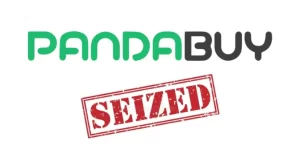
2024 Raid

In April 2024, 16 brands sued Pandabuy, accusing it of being involved in counterfeit sales. Chinese authorities raided its headquarters in Hangzhou and several warehouses. They seized products and started investigating the sellers linked to Pandabuy. Over 200 officials and 50 private investigators participated in the raids. They recovered millions of packages, including counterfeit branded sneakers. According to World Trademark Review, the London City Police began investigating in November 2023, with help from intellectual property organizations, as part of Operation Ashiko. Cantoop, a Chinese intellectual property firm, reported that Pandabuy operates in five cities in China with warehouses the size of nearly 20 football fields.

Pandabuy seized


Is Pandabuy Back?

Pandabuy has not fully resumed operations. Due to recent investigations, most of its services, such as placing orders and processing payments, are temporarily suspended. Users can still browse products but cannot make purchases.

The suspension is linked to issues involving counterfeit goods and regulatory violations. While the platform may restart under a new entity, no clear timeline for resumption has been provided, leaving its future uncertain.


Alternative options to Pandabuy


Dropship model
Sourced Oberlo


The question “Is Pandabuy back?” is still up in the air, but that doesn’t mean we can’t check out other great platforms. Instead of waiting and wondering, why not take this chance to explore some reliable cross-border shopping and dropshipping options that offer convenient services and plenty of products?

If you’re looking for alternatives to Pandabuy, here are a few great platforms to try:


1. CJ Dropshipping

 

CJ Dropshipping


Pros
:

● Offers a one-stop service, including sourcing, warehousing, packaging, and shipping.
● Wide range of flexible product categories across multiple industries.
● Supports global shipping with broad coverage.
● Seamless integration with Shopify, WooCommerce, and other platforms.
● Provides branding customization services (e.g., packaging and product labeling).

Cons:

● Shipping times can vary greatly depending on the destination.
● Best suited for bulk orders; fees for small orders can be higher.
● The interface and operations may require some time to learn.
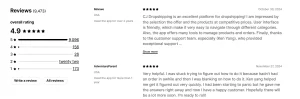
CJ


2. Oberlo (via Shopify)


Oberlo 3

Pros:

● Designed specifically for Shopify, making integration easy and user-friendly.
● Wide supplier network covering global markets.
● Automates product imports and order processing, saving time.
● Simple to use, ideal for beginner sellers.

Cons:

● Only works with Shopify; not compatible with other platforms.
● Heavily reliant on AliExpress suppliers, which may have inconsistent quality.
● Long shipping times can lead to extended customer wait times.
● Combined with Shopify’s monthly fees, overall costs can add up.


3. AliDropship
AliDropship


Pros
:

● Extensive product range from AliExpress suppliers.
● One-time payment, no monthly fees, suitable for budget-conscious sellers.
● Offers automated order management features.
● Supports self-hosted e-commerce websites, giving sellers full control.
● Provides additional services like website development and marketing support.

Cons:

● AliExpress products often vary in quality, requiring careful supplier selection.
● Shipping times can be long, impacting customer satisfaction.

AliDroship 2


4. Spocket

Spocket


Pros
:

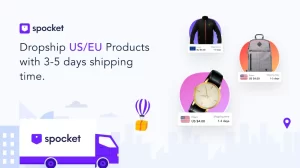
● Features suppliers from around the world, focusing on US and European suppliers.
● Faster shipping times compared to platforms relying on Asian suppliers.
● High-quality product selection, often curated.
● Seamless integration with Shopify, WooCommerce, and other platforms.

Cons:

● Limited product categories compared to other platforms like CJ Dropshipping or AliExpress.
● Higher product costs, particularly for premium items.
●Shipping costs may vary significantly based on supplier location.

Spocket 2


5. DropSure


DropSure


Pros
:

● Offers global shopping and dropshipping services.

● Helps sellers source products from China and ship them worldwide.

● Flexible solutions for product selection, logistics, and automation.

● Suitable for scaling cross-border e-commerce businesses.

Cons:

● Still growing as a platform; supplier and product variety may not be as extensive as larger platforms.
● Limited integrations compared to platforms like CJ Dropshipping or Spocket.
● May require sellers to handle additional logistics coordination.

DropSure 3


Pandabuy once stood out as a convenient gateway to Chinese products for global shoppers, but its current operational uncertainties make it less reliable. While the platform may return in the future, exploring alternatives ensures you can still access what you need without unnecessary delays or risks. Whether you’re looking for seamless logistics, better pricing, or secure transactions, there are plenty of other options to consider. Ultimately, the right choice depends on your priorities—but staying informed is always the first step.


 

Blog Buttom

DropSure is Your Best Partner
22 Years Experience
Affiliate Rebates
100% Quality Guarantee
Top-Up Rewards
10+ Global Warehouses
Custom Branding Support
Smart inventory System
24/7 Customer Support
Get a Quote in 24 Hours
Start Sourcing for Free

Keep Learning

If you’re into dropshipping, you know how tedious the operations can get — handling orders, tracking inventory, adjusting prices… But here’s the good news: you can totally hand off these headaches to professional tools. Use the right tools, and you’ll save tons of time to focus on what really drives profits — like closing deals and expanding into new markets. This guide is made just for you. We’ve picked seven top-notch dropshipping tools that automate the complicated stuff, making your work more efficient and your life easier. Keep reading to find out what these tools can do and how to get the most out of them. What is Dropshipping Automation? In the dropshipping business, tasks like order fulfillment, inventory management, price adjustments, and product research are daily essentials—and there’s no room for mistakes. Handling them manually is not only tedious but also error-prone and inefficient. Automation means using tools to take care of these repetitive yet critical steps, so you don’t have to do everything yourself. For example, with the right automation tools, you can import products from suppliers to your store with just one click. When a customer places an order, the system automatically sends the order details to your supplier for processing—no manual work needed. If your supplier changes their prices, your store can automatically adjust the prices to avoid losses or shrinking profit margins. Smarter sellers even use chatbots to handle common customer inquiries, so they can focus their energy on more complex tasks that truly require human decision-making. Why Should You Use Dropshipping Automation Software?  The biggest advantage of using dropshipping automation tools is simple: less stress, more time, and higher profits. Here’s how they help you: ● […]

Many new e-commerce sellers fall into a common trap: they assume that the more orders they get and the higher the sales volume, the more profit they’ll naturally make. But reality often hits hard—when they tally up the numbers at the end of the month, the profit isn’t nearly as impressive as expected. In fact, they might just break even—or worse, end up in the red. So, what’s going wrong? It’s not that you don’t know how to sell. The real issue is the “invisible fulfillment costs” quietly eating away at your profits. Warehousing, packaging, shipping, returns… every step costs money. But because these costs are scattered and not always obvious, they’re easy to overlook. For early-stage sellers with limited resources and small teams, blindly throwing money at operations can quickly lead to a vicious cycle of “the more you sell, the more you lose.” Instead of waiting for a cash flow crisis to hit, it’s way smarter to build a healthy, efficient fulfillment system from day one. That’s why we’ve put together 10 practical, easy-to-implement strategies—specifically for new e-commerce teams. They’ll help you spend your money wisely from the very first order and keep your profits firmly in your pocket. Wise Choice of Fulfillment Model: In-house, Outsourced, or Hybrid? The choice of fulfillment method directly impacts your cost structure, operational flexibility, and customer experience. Currently, there are three main fulfillment models, each with its own applicable scenarios and advantages: In-house Fulfillment This is the model often adopted by many startup sellers—handling inventory, picking, packing, and shipping processes in-house, either by the seller themselves or with hired staff. The advantage of in-house fulfillment is greater control over inventory, shipping speed, […]

If you’re exploring the world of dropshipping, you already know that having the right app is essential for streamlined operations, efficient order management, and, of course, happy customers. With so many apps on the market, each offering unique features and benefits, how do you choose the best one? This guide will help you navigate through some of the top dropshipping apps and highlight what each has to offer in terms of core features, logistics,cost, brand customization, and user experience.  Best Dropshipping Apps Recommended Printify – Powerful POD Customization and Global Supply Chain Core Features: Printify specializes in Print-on-Demand (POD) with a vast global network of suppliers, ideal for brands that need high customization. Logistics: Suppliers are distributed worldwide, with automatic selection of the nearest production location to improve delivery efficiency. Cost: Offers free and paid plans, with paid users enjoying discounts on product prices. Brand Customization: Allows custom product designs, labels, and packaging, helping sellers create a unique brand image. User Experience: User-friendly interface, though product quality can vary due to different suppliers. CJdropshipping – Extensive Product Variety and Flexible Logistics Core Features: CJdropshipping offers a wide selection of products, including electronics, apparel, and home goods, suitable for sellers focusing on diverse products. Logistics: Provides quick delivery options through CJPacket and other logistics choices, particularly efficient for U.S.-bound orders. Cost: Free to use, with competitive product pricing. Brand Customization: Supports custom packaging, though POD options are limited. User Experience: Affordable pricing, but logistics and customer service response times vary. Printful – High-Quality POD with Fast Shipping in U.S. and Europe Core Features: Known for high-quality POD products and extensive customization options, Printful is ideal for sellers prioritizing quality. Logistics: Local […]