















 En
En
 7 min read
Ever thought about making big money with an online store without worrying about making or storing products? That’s the magic of dropshipping! You set up a business, sell products worldwide, and never even touch them.
In this article, I’ll walk you through the potential risks you may face in dropshipping and the laws you need to know before getting started. This will help you navigate the business more smoothly and set yourself up for success in the dropshipping world.
What is dropshipping?
Dropshipping is a retail model where the dropshipper focuses on sales, marketing, and customer service, while third-party suppliers handle manufacturing and fulfillment. When a customer places an order, the retailer passes it to a supplier, who then packages and ships the product. This business model is especially popular with e-commerce retailers because it reduces the costs of starting and running an online store.
Is dropshipping worth it now? The future looks promising. As global e-commerce rapidly grows and consumer shopping habits shift, dropshipping continues to be a popular model. Its low cost and flexibility make it ideal for small businesses and entrepreneurs. Plus, advances in supply chain technology are set to boost efficiency and expand its global reach.
Is dropshipping legal?
Yes, dropshipping is legal and a popular business model where retailers don’t keep stock. Instead, when a customer orders, the retailer passes it to a supplier or manufacturer, who ships the product directly to the customer. However, like any business, dropshipping retailers must follow local, national, and international laws for selling goods.
As long as you stick to the rules, dropshipping is generally low-risk, with minimal personal or product liability. However, it’s smart to have a lawyer review any agreements with suppliers to ensure you know who is responsible for any issues that might come up during the sale, shipping, or customer use.
Risks You May Encounter in DropshippingDropshipping might sound simple, but it comes with its own set of risks.Understanding these potential challenges can help you better navigate this industry:
Geopolitical and Religious Considerations
Beyond logistics, some countries have strict rules influenced by religious beliefs or geopolitical conflicts that could impact your business. You may need to avoid shipping to these regions entirely or find alternative solutions to ensure smooth operations.
Supplier Issues
Your business relies heavily on factories and trading companies for order fulfillment. If suppliers fail to deliver on time or provide poor-quality products, your business reputation could suffer. It’s crucial to choose reliable partners.
Country Restrictions
Shipping products worldwide isn’t always straightforward. Certain countries or regions may be restricted due to religious policies, ongoing conflicts, or political tensions.These external factors must be carefull considered to avoid complications with your orders.
Scams and Fraud
Unfortunately, the dropshipping industry is not immune to scams. Some suppliers may promise high-quality goods but deliver counterfeit or subpar items, damaging your brand’s reputation. Thorough research and vetting are necessary to avoid these situations.

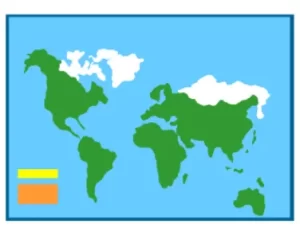
Beyond logistics, some countries have strict rules influenced by religious beliefs or geopolitical conflicts that could impact your business. You may need to avoid shipping to these regions entirely or find alternative solutions to ensure smooth operations.
Laws to Know Before Dropshipping
Here are some legal compliance issues you should consider when setting up your dropshipping business:
● Copyright Laws
● Consumer Protection Law
● Truth in Advertising Laws
● Tax and Licensing Laws
Copyright Laws
One of the most common questions new e-commerce vendors ask is, ‘Can I get sued for dropshipping?’ Like any business, there’s always a risk of legal trouble, and copyright violations are one of them. You could face legal issues if your supplier sells counterfeit goods to fulfill your orders. So, it’s crucial to carefully vet your suppliers and take ethical concerns seriously to avoid copyright violations.
Consumer Protection Laws
Even if you don’t manufacture the products, your online business must still comply with consumer protection laws and ensure the quality and safety of the items shipped to customers. If a product you sell causes harm, you could face personal injury lawsuits. To protect yourself, consider carrying product liability insurance.
Truth in Advertising Laws
As a dropshipper, you must accurately represent products in your marketing. If customers feel misled by a product description, they’re more likely to sue your business, not the supplier. So, make sure your advertising is clear and truthful to avoid legal issues.
Tax and Licensing Laws
Just like any retailer, dropshipping businesses are required to collect and remit sales tax, as well as pay income tax. Many states also require a business license or sales permit for retail operations. If you’re unsure about the licensing rules in your area, it’s wise to consult a local legal expert.
How to Safely Start a Dropshipping Business?
 Choose Reliable Suppliers
Selecting a trustworthy dropshipping supplier is crucial. A good supplier ensures product quality control, reducing the risk of selling low-quality or counterfeit products. Before partnering, research the supplier’s reputation, read reviews, and check their track record.
 Comply with Legal Regulations
Adhering to the laws and regulations mentioned earlier is essential for a safe dropshipping business. This includes copyright laws, consumer protection rules, advertising standards, and tax and licensing requirements. Understanding and following these laws will help protect your business from potential legal issues.
 Review Supplier Agreements
Clearly outline the terms of your partnership with suppliers, including responsibilities for product quality, shipping, and handling returns. Make sure you understand who holds liability in case of disputes or customer issues. Consulting with a legal expert can help you establish a solid agreement.
 Obtain Necessary Licenses and Insurance
Ensure you have the required business licenses and permits in your area to operate legally. Additionally, consider purchasing product liability insurance to protect yourself in case of product-related injuries or customer complaints.
 Regularly Monitor and Update Your Compliance Practices
Regulations and market dynamics change, so it’s important to review your business practices regularly. Stay up-to-date with legal requirements and industry best practices to minimize risk and ensure your business operates smoothly.
By following these steps and maintaining strong legal compliance, you can create a secure and profitable dropshipping business!
The Final Words
In short, dropshipping is a great way to start an online business, but it comes with risks. By choosing reliable suppliers, complying with legal regulations, and maintaining transparency, you can minimize these challenges and build a successful, profitable business in the competitive e-commerce landscape.
Follow us to unlock more tips and secrets about dropshipping! Whether you’re just starting out or aiming to take your business to the next level, we’re here to guide you through every step. Don’t miss out—stay ahead of the game with our expert advice and updates!