
















 En
En
 16 min read
Want to try Dropshipping, but aren’t 18 yet? Don’t worry! While most online payment platforms and e-commerce platforms require users to be at least 18 years old, there are still ways you can legally and successfully start a dropshipping business. In this article, we’ll provide you with a complete guide to help you avoid the obstacles and start your entrepreneurial journey smoothly!
Understanding the basics of drop shipping
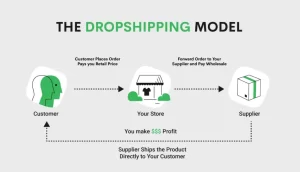
Want to start a business but don’t want the stress of inventory? Generation shipping is just what you need! This model allows you not to stock up in advance, but rely on suppliers to deliver products directly from the factory or warehouse to the hands of consumers. You only need to focus on brand promotion and quality service, do not have to worry about logistics and delivery, thus greatly reducing the initial capital investment and risk.
The operation is also very simple: you just need to do a good job of marketing and customer communication, the rest of the logistics problem to the supplier to deal with. In this way, you can not only save time and energy, but also focus on brand building and market expansion.
And, because you don’t need a fixed warehouse or a large amount of inventory, you can manage your e-commerce platform anytime, anywhere, with just a cell phone and an internet connection, you can start a truly asset-light business. Low start-up costs, simplicity and efficiency, flexibility and freedom, these advantages are attracting more and more young entrepreneurs to join the ranks of the generation shipment!
Why choose to ship on behalf of the company?
●Low start-up cost: no need to buy a large amount of inventory in advance, which reduces financial pressure.
●Simple operation: you just need to focus on store operation and customer service, the supplier will handle the shipment.
●High flexibility: you can manage your business from any corner of the world as long as you have internet access.
How to Start Dropshipping as a Teenager in 6 Steps
Step 1. Choose a Profitable Niche
Pick a niche that interests you but also has demand. Look for trending products in fashion, tech accessories, or home gadgets. Avoid overly competitive markets and focus on products with good profit margins.
1. Identify Passion-Aligned Opportunities
Why it matters: Sustainability and authenticity drive modern consumer behavior. A niche you care about ensures long-term commitment and resonates with audiences.
Action steps:
- Audit personal expertise: List hobbies, professional skills, or cultural knowledge (e.g., sustainable fashion if you’re a textile engineer).
- Leverage emerging subcultures:
- Fashion: “Post-apocalyptic minimalist” aesthetics (think modular clothing with recycled materials).
- Tech: AI-integrated accessories for neurodiverse users (e.g., noise-filtering earbuds for sensory sensitivity).
- Home gadgets: Space-saving solutions for micro-apartments in megacities.
2025 Trend Alert: TikTok’s #Deinfluencing movement prioritizes functionality over trends—align your niche with “practical luxury.”
2. Validate Market Demand with Precision
Critical tools:
- Google Trends + Exploding Topics Pro: Track rising queries like “biodegradable phone cases” (+210% YoY) or “modular furniture robotics.”
- Amazon/Shopify Collabs: Analyze bestseller rankings and review gaps (e.g., smart mirrors with skincare AI have 4.2 avg ratings but frequent complaints about inaccurate analysis).
- TikTok Shop Analytics: Monitor hashtag performance (e.g., #HomeHackTech videos gained 3.8B views in Q1 2025).
Red flags:
- Oversaturation: >50,000 monthly searches with <1% yearly growth (e.g., basic wireless chargers).
- Seasonality spikes: Avoid niches where >60% sales occur in 2 months (e.g., holiday-themed gadgets).
3. Target High-Margin, Low-Competition Products
Profitability benchmarks for 2025:
| Category | Ideal Margin | Cost Example |
|---|---|---|
| Fashion | 55-70% | 12production→45 retail |
| Tech Accessories | 60-80% | 8module→50 retail |
| Home Gadgets | 50-65% | 18BOM→55 retail |
Winning product criteria:
- Lightweight & durable: Reduces shipping costs (e.g., graphene-coated phone cases weighing <50g).
- Subscription potential: 30%+ repeat purchase rate (e.g., UV-C sterilizer filter replacements).
- Patent-defensible: Unique features like shape-memory alloy in adjustable eyewear.
Step 2. Set Up Your Online Store
Create a store using Shopify, WooCommerce, or BigCommerce. If you want a free option, consider selling on Etsy, eBay, or Facebook Marketplace before investing in a website.
Some platforms have relaxed age requirements or allow guardian assistance:
Shopify
Pros:
● Independent Website Builder: Shopify makes it easy to create an online store that is completely your own, customizing the design and layout for a unique brand image.
● Flexible Payment Processing: Shopify supports multiple payment processors such as PayPal, Stripe, etc., which makes it easy for you to manage orders and collect payments.

WooCommerce
Pros:
● Highly Customizable & Open-Source: WooCommerce is a WordPress plugin that gives you complete control over your store’s design, functionality, and extensions, making it ideal for those who want full customization.
● Lower Initial Costs: Unlike Shopify, WooCommerce itself is free to use, and you only need to pay for hosting, themes, and plugins, making it a budget-friendly option for beginners.
● Seamless WordPress Integration: If you already have a WordPress website or blog, WooCommerce allows you to easily turn it into a fully functional eCommerce store.
BigCommerce
Pros:
● Built-In Features: BigCommerce comes with many advanced features, such as SEO tools, multi-channel selling, and abandoned cart recovery, without needing extra plugins.
● Scalable for Growth: It is designed for businesses that plan to grow, offering strong performance, unlimited bandwidth, and the ability to handle high order volumes.
● No Transaction Fees: Unlike Shopify, BigCommerce does not charge additional transaction fees, helping you maximize your profit margins.

Step 3. Find a Reliable Supplier
Use platforms like CJ Dropshipping, DropSure, or AliExpress to find trustworthy suppliers. Check reviews, shipping times, and product quality before listing items in your store.
CJ Dropshipping: Global Warehouse, Faster!
Why choose CJ Dropshipping?
● Global Warehouse Network: CJ Dropshipping has warehouses all over the world, which can significantly shorten the logistics time and improve customer experience.
● High-quality product screening: The platform conducts strict screening of products, which reduces the risk of disputes caused by quality issues.
Attention is required:
● Service fees: some premium services may require additional fees, so careful comparison and budget planning are required when choosing service packages.
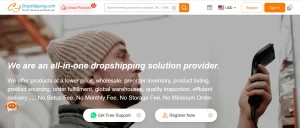
DropSure: Rigorous selection of suppliers, quality assurance
Why choose DropSure?
Strict screening: DropSure strictly audits its suppliers to ensure the quality of the products it provides is reliable.
Focus on delivery: The platform focuses on providing entrepreneurs with efficient and stable delivery services, so you don’t have to worry about delivery and after-sales issues.
● Good support: professional customer service support is provided to help solve all kinds of problems in operation, which is especially suitable for entrepreneurs who are just starting out.
Attention is required:
● Platform understanding: before using it for the first time, you can read more about the platform’s operation guide and user reviews to make sure its services can meet your needs.
● Cooperation and communication: Maintaining good communication with suppliers, providing timely feedback and solving problems will help establish a long-term cooperative relationship.

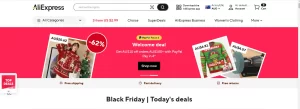
AliExpress: Great for beginners!
Why AliExpress?
● Rich categories: AliExpress has a huge number of products, from clothing, electronic products to household goods, everything, can meet a variety of entrepreneurial needs.
●Low threshold: user-friendly interface, simple operation, ideal for young entrepreneurs who are just starting out.
● Price Advantage: Many products are affordable, giving you enough room to adjust your selling price and make a profit.
Attention is needed:
● Logistic time: as many products come from overseas warehouses, the shipping time may be longer. It is recommended to plan the shipping cycle in advance and communicate with customers in a timely manner.
● Product quality: Although there is a wide variety of products, the quality of products varies. Before placing an order, be sure to check supplier ratings and customer reviews and choose a reputable seller.
Step 4. Marketing and Promotion
Short video platforms: TikTok and Instagram Reels
Did you know? Short videos are all the rage right now!
● Demonstrate the charm of your product: Showcase your product in a 15-60 second video, whether it’s a funny little detail or a tip on how to use the product, it will attract eyeballs.
●Interact cordially: Say hello to everyone directly to the camera, just like chatting with your friends about your family, it’s natural and fun.
● Tips: Try adding popular music or hot topic tags, this will let more people see your work!
Social promotion: Pinterest and Facebook groups
If your product has a special style or unique selling point, these two platforms will be a good helper for you.
● Pinterest: Make your product images or creative inspiration into beautiful boards. Users here love visual creativity, and your store has the potential to become a popular favorite overnight.
●Facebook Groups: Join interest groups related to your product and share your startup story and product highlights, just like chatting with a group of like-minded friends.
●Tip: Remember not to be too salesy, share some valuable content to make people feel that you are really an enthusiastic and good companion!
Long-Term Traffic Gods: SEO and Blogging
Setting up a content site is like planting a small tree that slowly grows and flourishes, sending you a steady stream of visitors.
SEO Optimization: Make search engines love your site through keyword optimization and friendly page layout. This way, when people are searching for related products, your store can be found easily.
Blog marketing: write about your entrepreneurial journey, the story behind your products or tips on how to use them, just like sharing your life with your friends. It enhances customer trust and attracts more natural traffic.
● Tips: Keep updating frequently, remember to interact more, reply to readers’ messages, make them feel that you are not only a seller, but more like a good friend.
Step 5. Manage Orders & Customer Service
Once you start getting sales, communicate with your supplier to ensure smooth order fulfillment. Provide great customer service to build trust and get repeat customers.
Maintain Close Communication with Suppliers
After you start making sales, ensure clear communication with your suppliers. Inform them of new orders promptly and verify that they have received and begun processing them. Sync your inventory using management software to prevent stock issues, and regularly check your supplier’s performance regarding shipping speed and product quality.
Provide Excellent Customer Service
Good customer service is key to building long-term trust. Offer multiple channels for customers to reach you, such as email, chat, or phone. Keep customers updated on their order status, especially if delays occur, and respond quickly to any inquiries or complaints to enhance satisfaction and encourage repeat business.
Utilize Automation Tools
As your order volume grows, manual processing can lead to errors and delays. Invest in an order management system to streamline the process and consider customer service platforms or chatbots for round-the-clock support, ensuring a smoother experience for your customers.
Step 6. Scale Your Business
Reinvest profits into paid ads, influencer marketing, or SEO to grow your store. Test new products, optimize your website, and improve your marketing strategy over time.
Reinvest Profits into Marketing
Allocating profits to marketing can significantly boost your store’s visibility and sales.
-
Paid Advertising: Platforms like Facebook Ads and Google Ads allow you to target specific audiences, driving relevant traffic to your store.
-
Influencer Collaborations: Partnering with influencers in your niche can enhance brand credibility and reach.
-
Search Engine Optimization (SEO): Optimizing your website for search engines increases organic traffic, reducing reliance on paid ads.
Expand Product Offerings
Introducing new products can attract a broader customer base and encourage repeat purchases. Utilize the flexibility of dropshipping to test products without significant upfront investment. Monitor sales data and customer feedback to identify successful additions.
Optimize Website Performance
A seamless user experience is crucial for retaining customers.
-
Enhance Site Speed: Fast-loading pages reduce bounce rates and improve user satisfaction.
-
Mobile Responsiveness: Ensure your site functions well on mobile devices, catering to a significant portion of online shoppers.
Implementing these strategies thoughtfully can position your dropshipping business for successful scaling, leading to increased revenue and market presence.
How to Solve the Age Limit Problem
When you are not yet 18 years old but want to start your own small business online, don’t worry! Here are two simple solutions to make it easy for you to bypass the age limit hassle:

Using a parent or guardian account
Many payment and e-commerce platforms (e.g. Shopify, eBay, PayPal) require users to be 18 years old to sign up for an account. If you’re underage, you can do this:
● Communication and trust
Have a good chat with your parents or guardians about your business plans and let them know what you are thinking and why you need to open an account. This way they will not only support you, but also help you with some of your financial affairs.
● Co-manage the account
Make a parent or guardian the primary manager of the account. They can oversee the transactions, make sure all operations are in line with the platform’s regulations, and help you solve any problems that may arise.
● Sign a written agreement
If possible, sign a simple written agreement with your guardian that clarifies both parties’ responsibilities for account management and financial handling. This way, everyone has a clear understanding and avoids misunderstandings in the future.
● Regular review and monitoring
Regularly reviewing the status of your account with your parents or guardian will not only help you learn more about financial management, but also ensure that your account is safe and secure.
Using a Business Entity (LLC)
If you have bigger ambitions or find it too cumbersome to manage with a parent’s account, signing up for a limited liability company (LLC) can be a good option. There are many benefits to doing so:
● Incorporating an LLC
In many countries, the process of forming an LLC is relatively simple. You may need the help of an adult relative (e.g., a parent or other adult relative) to assist with the incorporation, as they can act as a legal representative and fulfill the incorporation requirements.
● Separate personal and business finances
Using a business account for business transactions allows you to manage your personal and business funds separately. Not only does this provide greater financial clarity, it also helps to protect your personal assets in the event of a problem.
● Open a business bank account
After forming an LLC, you can open a dedicated bank account for your company to receive payments, pay expenses, and process various transactions. This will look more professional and formal when dealing with platforms such as Shopify, eBay, and PayPal.
● Operate in a legally compliant manner
Using a business entity helps ensure that all of your transactions are legally compliant. The help of an adult relative can make the process smoother and will give the platform more confidence in your business.
● Future expansion potential
Even if it’s small now, establishing a formal business entity can provide a solid foundation for future business expansion and attract more partners or investors.
Conclusion
In summary, although being under 18 may impose some restrictions when starting a dropshipping business, you can still legally and successfully embark on an entrepreneurial journey by partnering with your parents or guardians to manage the account, or by forming a Limited Liability Company (LLC).
In this process, choosing a reliable partner is crucial. DropSure offers an all-in-one dropshipping solution, providing an extensive range of products, automated order processing, and a global warehouse network to ensure fast and reliable shipping services.
By partnering with DropSure, you can focus on business growth without worrying about logistics and supply chain management. Start your free trial now and experience the efficiency and convenience that DropSure brings to your dropshipping business!