
















< Blogs

How to Prepare for Black Friday & Cyber Monday: A Complete Guide for Dropshippers

Vivan Z.
Created on November 21, 2025 – Last updated on November 21, 20254 min read
Written by: Vivan Z.

How to Prepare for Black Friday & Cyber Monday: A Complete Guide for Dropshippers

Whether you’re scaling your store or planning your first major sales push, the way you prepare in early November will determine your conversion rate, AOV, and overall profit.At DropSure, we’ve helped thousands of sellers get ready for peak season. Here’s a complete checklist to ensure your store is fully prepared for Black Friday and Cyber Monday.


  1. Optimize Your Winning Products Early

Don’t wait until the last week of November to choose your hero products.

  • Look for:High demand + low competition
  • Evergreen gifts (pet products, home gadgets, self-care)
  • Fast shipping & stable inventory
  • High margins or strong upsell potential


Focus on 3–5 main offers for your BFCM promotions.

  • Then polish them with:Optimized titles
  • Strong benefit-driven descriptions
  • Clear product videos
  • High-converting images


DropSure users can import products with one click and update product details directly inside the backend — saving days of manual editing.


  1. Build Your BFCM Offer Stack

Discount is just one piece of the puzzle. The sellers who crush BFCM use a full offer stack:

  • Sitewide discount (10–25%)
  • BOGO or bundle offer
  • Free shipping threshold
  • Free gift for orders above a certain amount
  • Flash sale products with countdown timers


Your offer should pull customers toward higher AOV — not just lower prices.


  1. Prepare Your Store Pages

A clean, fast, trustworthy store converts better during BFCM traffic spikes.

Check these items:

  • Page speed optimized (especially on mobile)
  • Simple navigation
  • Product page CTA placed above the fold
  • Trust badges, reviews, UGC visible
  • Clear shipping & return policies


Add a Black Friday landing page so customers instantly know there’s a sale going on.
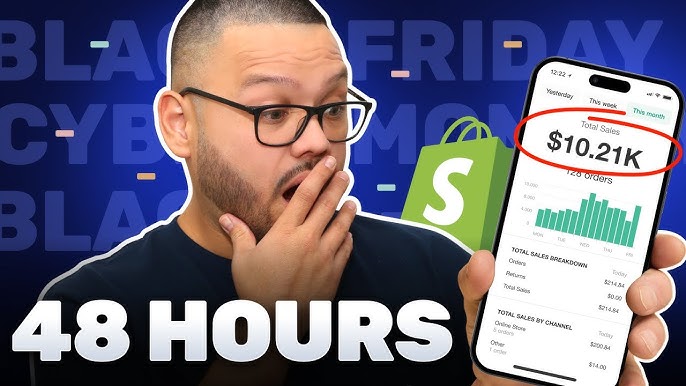
 

  1. Strengthen Your Checkout & AOV Boosters

During BFCM, your checkout must be clean and friction-free.

Must-have improvements:

  • One-click upsells
  • Cart add-ons
  • Bundle recommendations
  • Automatic discount applied at checkout
  • Multiple payment options


Even a small AOV increase (e.g., $3–$5) makes a huge difference during peak volume.


  1. Start Warm-Up Marketing Before the Sale

Don’t wait until Black Friday to activate your audience.

Warm-up ideas:

  • Email: “Black Friday Is Coming — Get Early Access”
  • SMS: VIP early-bird offer
  • Retargeting ads (video or carousel)
  • Social countdown posts
  • Collecting emails via a BFCM waitlist page


When the sale starts, these warmed-up users convert much faster.
 

  1. Prepare Inventory & Shipping — Avoid Delays

BFCM traffic can overwhelm logistics. Choose reliable fulfillment.

For DropSure sellers, this means:

  • Pre-checking inventory levels
  • Using fast shipping routes
  • Confirming warehouse processing time
  • Tracking automatically synced to your store


A slow supplier can ruin an entire BFCM campaign.

A reliable one helps you scale smoothly.


  1. Make Customer Service Ready

Expect more:

  • Pre-sale questions
  • Order edits
  • Shipping requests
  • Gift returns
  • Stock inquiries

Prepare:

  • FAQ updates
  • Auto-replies
  • Quick templates
  • Clear delivery time messaging


Fast customer support increases conversion and decreases refund rates.


  1. Track and Optimize in Real Time

Don’t wait until the end of Black Friday to make decisions.

Monitor:

  • Product performance
  • Add-to-cart rate
  • Checkout drop-off
  • ROAS (if running ads)
  • Inventory levels


Kill slow products early and push budget toward winners.


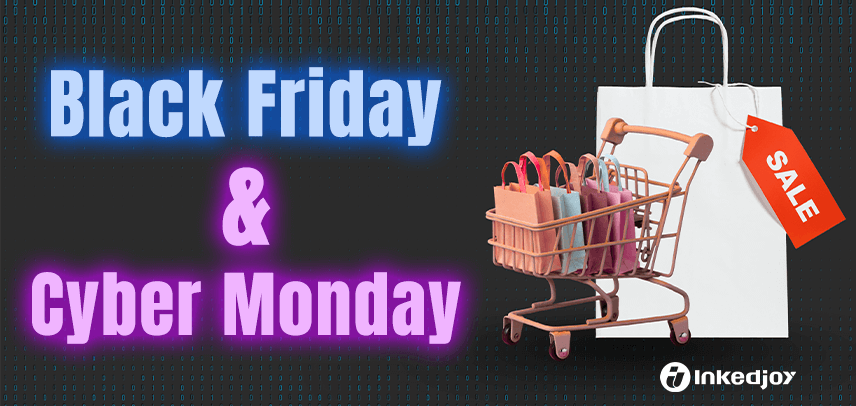
Black Friday and Cyber Monday (BFCM) are the biggest revenue opportunities of the year for eCommerce sellers — and for dropshippers, preparation is everything.

Final Thoughts

Black Friday and Cyber Monday favor sellers who prepare early, optimize often, and move fast.

Dropshippers who win BFCM usually have:

  • Winning products selected early
  • High-impact offers
  • Optimized store pages
  • Strong logistics and support
  • Warmed-up customer audiences


If you want your BFCM results to be your strongest ever, preparation starts today.
DropSure is Your Best Partner
22 Years Experience
Affiliate Rebates
100% Quality Guarantee
Top-Up Rewards
10+ Global Warehouses
Custom Branding Support
Smart inventory System
24/7 Customer Support
Get a Quote in 24 Hours
Start Sourcing for Free

Keep Learning

Ever felt the thrill of waiting for a package, only to wonder where it is? We’ve all been there. For e-commerce sellers and everyday shoppers, tracking a shipment is like watching the journey of a tiny traveler. USPS tracking is your trusty guide. In this blog, we’ll decode tricky statuses like “label created not yet in system” and “in transit to next facility,” and share tips to make tracking easier. Stick around, we’ve got you covered! What is USPS? The United States Postal Service, or USPS, has a rich history that dates back to 1775. It began as a service to connect the American colonies, delivering letters and official documents during a time when reliable communication was a luxury. Fast forward to today, USPS has become one of the most recognized and trusted names in the world of mail and logistics. It’s not just about delivering letters anymore—it’s about connecting people and businesses across the globe with speed and efficiency. A Brief History of USPS USPS was officially established by Benjamin Franklin, who became the first Postmaster General. Back then, its mission was simple: to ensure that letters and packages could reach every corner of the newly formed United States. Over the centuries, USPS has adapted to the changing needs of society. From horse-drawn carriages to planes and advanced logistics networks, it has always embraced innovation to stay relevant. Despite the rise of digital communication, USPS remains an essential service, handling billions of pieces of mail each year. USPS Service Offerings USPS offers a variety of services tailored to meet different needs. Here’s what they provide: Mail Services USPS is known for its standard mail delivery options, designed for personal […]

Hey there! Have you ever noticed that sometimes you post great content on Instagram, but it doesn’t get the engagement you were hoping for? Could it be that the timing was just off? That’s right! Timing is an important factor when it comes to Instagram success—it’s not just a coincidence. The right time to post can seriously boost your visibility and engagement, helping your post stand out in the crowded feed. So today, let’s talk about how to choose the best time to share your content and make sure you get those likes and comments! Understanding Instagram’s Algorithm Before we dive into the best times to post, it’s important to understand how Instagram’s algorithm works. Instagram doesn’t just show posts to everyone who follows you. Instead, it uses a combination of factors like content relevance, engagement, and post timing to decide who sees your post. The more likes, comments, and shares you get early on, the more likely Instagram is to push your post out to a larger audience. Timing matters because if you post when your followers are active, there’s a higher chance your content will get immediate engagement, which helps Instagram rank it higher in their feed. The more interaction your post gets, the better its visibility. Best Days and Times to Post on Instagram The best time and worst time to post on Instagram depends on your audience, but research from social media platforms like Sprout Social and Hootsuite offers these general insights: Sourced: Sprout Social Best Times: • Monday to Friday, 9 AM to 11 AM – Many people check Instagram during their morning breaks. • Late Afternoon, 5 PM to 7 PM – Engagement spikes […]

If you own an online dropshipping store, then pricing strategy is definitely an aspect you need to take seriously. When pricing your products, you can’t just rely on your gut feeling. You have to take into account various expenses such as product costs, marketing costs, taxes, hosting fees, app fees, and even psychological factors. Don’t worry. In this guide, you’ll learn what dropshipping pricing strategy is, how to choose the best retail price, the different pricing strategies you can use, how to adjust product prices reasonably, and more! So, if you’re asking yourself, “What retail price should I set for my products?” then this article is for you. Let’s get started! What is Pricing Strategy When it comes to pricing strategy, you might think it sounds like a complex business term, but it’s as simple as setting a price for your favorite perfume. It’s about finding that sweet spot where you can earn a profit while ensuring customers feel they’re getting great value. In short, a pricing strategy is the method by which a business sets reasonable prices by studying market demand, product costs, competitors, and other factors. Sounds a bit like giving yourself a “price checkup”? That’s right—a pricing strategy helps you find the most appropriate “healthy price” that lets you profit without scaring away customers. Why Do You Need a Pricing Strategy You might think, “Isn’t it just about setting a price? What’s so special about it?” In reality, pricing isn’t that simple. An appropriate pricing strategy can help you attract potential customers and increase your profits. Imagine if you set the price too high, customers might feel it’s too expensive and walk away; but if you set […]

Recommended for you