Price Range-Based Product Selection
When selecting products, the price range is critical! For example, you can choose $1–$30 small items, such as phone accessories, pet supplies, and beauty products, which are ideal for impulse purchases. Alternatively, you can opt for $100–$300 mid-range items, such as electronics, furniture, and home appliances, targeting high-value customers.
The key is to ensure your product pricing aligns with your target customers’ spending habits while maintaining a reasonable profit margin. Adjusting your selection based on your budget allows you to attract your ideal audience more effectively and increase conversion rates.
Social Media-Based Product Selection
Instagram and YouTube are fantastic platforms for product selection, especially for spotting trends and potential best-sellers. You can search for product-related keywords, such as “trending gadgets” or “fashion haul”, and filter for posts and videos with high likes and engagement.
By observing these posts, you can understand which products attract user interest and which types are frequently recommended or shared. For example, on Instagram, pay attention to posts tagged with #ad or #sponsored, which are often brand collaborations that reflect current market trends. On YouTube, look for “unboxing” or “best buys” videos to learn about real consumer experiences and feedback.

Related Product Selection
Adding complementary items or accessories to your main product can make the shopping experience better for customers and increase the average order value. For example, if you sell watches, you can also offer watch straps, cases, or cleaning tools. If you sell yoga mats, you can bundle them with yoga straps, blocks, or water bottles.
To better promote related products, you can:
1.Add a “Recommended Bundles” section to the product page.
2.Provide bundle discounts, such as “Buy a watch and get a strap at 10% off.”
3.Add recommendations like “You might also like these products” at checkout.
Related product selection not only boosts sales but also increases customer satisfaction, making your store appear more professional and thoughtful.

Comment-Driven Product Selection
Browsing reviews on e-commerce platforms, especially negative ones, is an excellent way to uncover customer needs and improve products. For example, on Amazon or AliExpress, check the reviews of best-selling items and look for user complaints. Are they about quality issues? Lack of functionality? Difficulty in use?
By analyzing these pain points, you can either choose improved versions of existing products or develop new ones to meet those needs. For instance, if many customers mention that a storage box is “too small to be practical,” you could offer a larger, more functional alternative.
This approach ensures your products solve real customer problems, making them more appealing and increasing their market potential.
Cross-Platform Product Selection
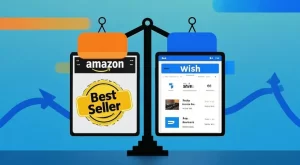
Cross-platform product selection involves comparing best-sellers on different platforms to identify untapped opportunities. For example, you can analyze the best-seller lists on Amazon and Wish, looking for products that are popular on one platform but have not gained traction on the other.
When doing this, pay attention to the characteristics of each platform’s audience. For instance, Amazon users tend to prioritize quality and brand reputation, while Wish users are more price-sensitive and drawn to affordable options.
By tailoring your product pricing and descriptions to align with the preferences of each platform’s audience, you can better attract customers and maximize sales potential.
Choosing products from suppliers
Suppliers are the most important part of choosing products, and if your suppliers are reliable, you will make more sales. Platforms like 1688 and AliExpress are great for finding suppliers you can rely on. When choosing a supplier, focus on these key points:
• Product Quality: Check samples or customer reviews to make sure the products are right for your target market.
• Price competitiveness: Compare quotes from different suppliers and pick one that offers the best value.
• Supply stability: Check how much stock the supplier has and how quickly they can deliver to avoid running out of stock, which could make customers unhappy.
It’s also wise to prioritize suppliers with long-term experience and good after-sales service. A reliable supply chain makes your product selection more efficient and minimises operational headaches.

Buyer Research-Based Product Selection
Buyer research is a highly effective way to understand customer needs. Create a simple questionnaire that covers topics like:
• What product features matter most to them?
• What problems have they had with past purchases?
• Are there any needs they have that have not been met?
Distribute the survey to potential customers using tools like Google Forms or SurveyMonkey, or post it on social media to gather real feedback.
Then you can look at the results to see what your customers want. This will help you to make better products. This makes your selection more precise and helps you market products more effectively by showing customers you understand their needs.

Choosing Products Based on Data from Overseas Warehouses
Data from overseas warehouses can provide highly accurate insights for product selection. By reviewing inventory reports, you can identify products with fast inventory turnover and high demand.
These products often reflect strong popularity in the local market and are worth prioritizing. Using this data helps you align your product offerings with proven trends, increasing the likelihood of success and ensuring better alignment with customer needs.

Industry Trend-Based Product Selection
Staying updated with industry trends is an effective way to spot potential best-sellers.Here’s how you can identify products likely to trend:
• Use Google Trends: Search for relevant keywords and observe changes in search volume. Keywords showing significant growth often indicate upcoming popular products.
• Monitor social media: Platforms like Instagram, TikTok, and Twitter are great for tracking trending topics and hashtags. Look for products sparking widespread discussions or engagement.
• Follow Industry News and Blogs: Stay updated with reports and analyses of new technologies, concepts, or products that are starting to gain traction in the market.
By using these tools, you can keep up to date with new trends and make the most of them to do better than your competitors.
Choosing products based on their features
Choosing small, lightweight items that are easy to handle can reduce shipping costs and improve delivery efficiency. For example, small, strong products are more attractive to customers and reduce the chance of them being returned.
This approach is particularly good for small sellers with limited budgets, as it helps control overall operating costs while ensuring smoother logistics.
Demand Analysis-Based Selection
Finding out what people want to buy is a great way to find new business opportunities. For example, people who are very interested in fishing or model building might need special tools or accessories.
You can find out what these needs are by using social media, forums, or surveys. Niche markets often have less competition but higher customer loyalty, making them a good place to explore.
Store Data-Based Selection
The best way to choose the right products is to look at the sales data from your store. Find out which products are the most popular and look at things like price, selling points and who they are aimed at.
Then you can adjust your stock and advertising. You can also expand related product lines, such as offering accessories or upgraded versions of popular items, to make the most of your store’s strengths.
Google Keyword Planner
Use tools like Google Keyword Planner to find popular keywords that lots of people search for, but not too many websites have. Then, check how well products related to these keywords are selling.
For example, if a keyword shows consistent growth, you can develop new products to meet that demand. This will help you to stay ahead of the market and make sure that your promotions are more targeted and effective.
Learn from Big Brands
Big brands are often a great source of inspiration for product selection and strategy. Study their product types, pricing methods, and how they meet customer needs—like offering extra features or value-added services.
Once you’ve learned their tactics, adapt them to fit your resources and market position. This approach not only reduces trial-and-error but also helps you gain a competitive edge quickly and effectively.
Comment-Based Product Selection
Comment sections can tell you a lot about what customers want. Positive reviews highlight the strengths of a product, such as its most-loved features or design elements. But negative reviews show problems, so you can improve your products or create new ones.
For example, if users complain that a storage box is too small, you can provide a larger, more functional alternative to meet their needs. This makes it more likely that your products will be what customers want.
Learning from big brandsThe product selection and strategies of big brands are often worth copying. Study what they sell, how much they sell it for, and how they meet customer needs. For example, they might offer additional features or value-added services.
Once you understand their tactics, adapt them to your own resources and market position. This way, you can cut costs by avoiding mistakes, while getting a competitive advantage quickly.

Bulk Product Testing
Bulk product testing is a low-risk way to see how customers respond to different products. To begin with, you can try listing multiple products and keep an eye on how well they sell. Then, you can use the data to see what your customers like and focus your advertising and marketing on those items.
Also, if you regularly update your product list, it will keep your inventory fresh and your customers interested. This approach helps you deal with market changes.
Finding products from creative foreign websites
Websites like This is why I’m broke and Odditymall are great for finding unique niche products. These sites have attractive, innovative items that could be perfect for selling across borders.
Platform-Specific Product Selection
Different e-commerce platforms attract different types of users with varying shopping habits. For instance:
• Amazon: Best for high-quality, higher-priced items, as customers here prioritize quality and brand trust.
• Wish: Ideal for low-cost, high-value products, appealing to price-sensitive shoppers.
When selecting products, align your strategy with the platform’s audience and top-selling categories. Tailoring your product offerings to fit the preferences of each platform can help you better meet customer needs and significantly boost your conversion rates.
Keyword Trend-Based Product Selection
You can find high-demand trending keywords using keyword tools like Google Keyword Planner or Ahrefs. Then, check how well products associated with these keywords are selling, and filter out items that show consistent growth.
When choosing products, focus on those connected to keywords that lots of people search for and not too many other websites are using. This helps you find products that people really want, and it means you won’t try to sell things that nobody wants to buy.
Interest and Expertise-Based Product Selection
If you’re passionate or knowledgeable about a specific field, like photography, fitness, or crafting, start there. Use your knowledge to create products that are exactly what customers want.
You’ll be able to make better decisions, choose better products, and meet the needs of your customers. This makes your selection more precise and helps you earn the trust and loyalty of your audience.
Choose what you’re good at – it’s often the best way to stand out and succeed!

Make choosing products easier with DropSure and create your best-seller!
Choosing a product doesn’t have to be complicated. The important thing is to find the right approach for you. Try a few of the methods we’ve shared, see what works best for you, and keep improving your strategy. You’ll soon have your own “product selection playbook”. Remember, building a successful online store takes time, but with the right methods, your next best-seller could be just around the corner!
If you’re struggling, try DropSure. As an all-in-one dropshipping solution, DropSure does more than just connect you with quality suppliers. It also offers brand customisation, order management, fast shipping, and full support to make your business run more smoothly. With a professional team and powerful platform features, DropSure makes selecting products easier and running your business more efficient.
Try DropSure today!





















 En
En
 17 min read