















 En
En
 10 min read
In the dropshipping industry, choosing the right supplier is crucial, and price often plays a key role in our decision-making process. I’m sure every dropshipper is interested in how to find affordable dropshipping suppliers.
Next, let’s embark on our dropshipping journey by starting with the search for a supplier that is both budget-friendly and reliable. I believe that by the end of this guide, you will have gained more tips for finding suppliers.
Who Are The Cheapest Dropshipping Suppliers?
Without further ado, let’s take a look at which suppliers can offer the most cost-effective products for dropshippers. This section will introduce you to those suppliers who are both affordable and reliable in quality. Choosing them will significantly enhance the smooth operation of your dropshipping business. Whether you are a newcomer to the industry or an experienced veteran, this list of suppliers will provide valuable references to help your dropshipping venture thrive.
1.AutoDS Marketplace
AutoDS Marketplace is an automation tool platform specifically designed for cross-border e-commerce sellers. Its main features include product sourcing, price monitoring, inventory management, and order processing. This platform helps sellers efficiently manage their product listings across various e-commerce platforms, optimizing their operational processes.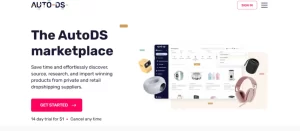
The products offered by AutoDS Marketplace typically come from multiple suppliers with competitive pricing, allowing sellers to acquire goods at lower costs and thereby increase their profit margins. Additionally, AutoDS Marketplace features automation for pricing, inventory management, and order processing, enabling sellers to reduce labor costs and time investment, which further lowers operational expenses. Moreover, bulk purchase discounts may be available on AutoDS Marketplace, allowing sellers to resell at higher profits based on these savings.
2.AliExpress
AliExpress is a well-known online retail platform launched by Alibaba Group in 2010. It offers consumers and small businesses a direct way to connect with Chinese suppliers, primarily focusing on cross-border e-commerce.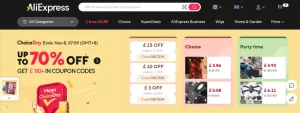
Many of the products available on AliExpress come from manufacturers and wholesalers in China, which usually means lower prices, making it easier for sellers to buy at a reduced cost. Since sellers can purchase directly from manufacturers, they skip the middleman, helping to cut costs even further. Plus, AliExpress typically doesn’t have a Minimum Order Quantity , allowing sellers to buy just what they need—this is especially helpful for those just starting out in cross-border e-commerce.
Lastly, AliExpress provides flexible shipping options. While shipping times can be longer, many sellers offer affordable or even free international shipping, which helps keep overall costs low.
3.Worldwide Brands
Worldwide Brands is a platform designed specifically for e-commerce sellers, aimed at helping them find reliable wholesale suppliers and manufacturers. Established in 2001, the platform offers a verified directory of suppliers, making it easy for sellers to find a wide range of products, from clothing to electronics.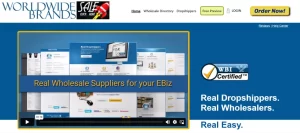
All suppliers on Worldwide Brands undergo rigorous vetting to ensure that sellers can collaborate with confidence, minimizing risk. Additionally, the platform offers thousands of products across various categories, helping sellers find items that suit their stores. Worldwide Brands also provides various educational materials and guidance to help new sellers understand how to successfully operate their e-commerce businesses, covering a range of topics from marketing to inventory management. The platform operates on a lifetime membership model, so after a one-time payment, you gain lifetime access to its resources and supplier information without any additional renewal fees.
4.Alibaba
Alibaba is a globally recognized online wholesale and retail platform founded by Alibaba Group in 1999. It primarily connects manufacturers, wholesalers, and buyers, becoming an important trade platform, especially in the realm of cross-border e-commerce.
On Alibaba, buyers can often transact directly with manufacturers or wholesalers. This eliminates the intermediary fees associated with traditional distribution channels, lowering the overall price of goods. Additionally, many suppliers on Alibaba allow for lower minimum order quantities (MOQs), enabling buyers to make small-scale purchases based on their needs, which is particularly suitable for startups and small businesses. Many suppliers offer discounts for bulk purchases, allowing buyers to enjoy significant price reductions when purchasing larger quantities of products at once. For instance, when buying the same item in bulk, the unit price can often decrease by 20% to 50%. The platform features numerous suppliers offering similar products, making it easy for buyers to compare prices. To attract customers, suppliers frequently adjust their prices, keeping the overall market competitive, and buyers often find low-priced items.
5.Amazon
Amazon is one of the largest online retail platforms in the world, founded by Jeff Bezos in 1994. Originally starting as an online bookstore, Amazon has since expanded to offer a wide range of products, including electronics, clothing, groceries, and more.
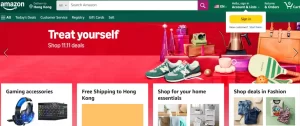
Amazon operates on a marketplace model, allowing third-party sellers to list their products alongside Amazon’s own offerings. This provides consumers with a diverse selection and often leads to more competitive pricing. The platform is known for its customer-centric approach, offering services like Prime membership, which provides benefits such as fast shipping, access to streaming services, and exclusive deals. This is an important purchasing decision factor for consumers; for example, sellers can promise two-day delivery to enhance conversion rates. Additionally, through FBA (Fulfillment by Amazon), sellers can store their products in Amazon’s warehouses, with Amazon handling order processing and shipping.
Amazon frequently runs promotional events, such as Black Friday or Amazon Prime Day. During these periods, sellers can purchase products in bulk at discounted prices; for example, an item that normally sells for $30 might drop to $20 during a promotion, allowing sellers to take advantage of these opportunities to increase their profit margins.
The table below summarizes the platforms mentioned above, allowing us to clearly see their advantages and disadvantages. This will help us make a better choice when selecting a suitable dropshipping supplier.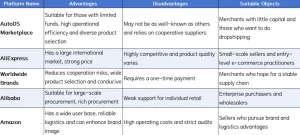
How to Start Dropshipping with Limited Money?
After learning about The Cheapest Dropshipping Suppliers, you’ve realized that while starting a dropshipping business doesn’t require much capital, having a solid product selection strategy is crucial. You need to conduct thorough market demand research, ensure product quality, and prioritize your relationships with suppliers, including finding reliable partners and maintaining good communication and collaboration. Next, I will introduce effective methods for running a dropshipping business with limited funds.
Step 1: Identify Your Niche Market
First, do some research to choose a niche market that has demand but is not overly competitive. Think about areas like fitness accessories, pet supplies, or beauty products—these are items that people often want to buy. You can use tools like Google Trends to see the popularity of different products over time.
Step 2: Find Reliable Suppliers
Next, look for suppliers on platforms like AliExpress, Oberlo, or SaleHoo. These sites typically feature a wide variety of products and suppliers. Check the ratings, reviews, and the quality of product images and descriptions. Reach out to several suppliers to ask about their shipping times, return policies, and any minimum order requirements.
Step 3: Set Up Your Online Store
Choose an affordable e-commerce platform, like Shopify, which has relatively low monthly fees. If you’re familiar with WordPress, the free WooCommerce option is also a great choice. Customize your store’s theme to make it look professional and appealing, incorporating the product descriptions and images provided by your suppliers.
Step 4: Promote Your Store
Make good use of social media platforms like Instagram and Facebook. Create business accounts and post engaging content related to your products. Join relevant groups and communities to effectively promote your store. Another cost-effective strategy is to start a blog related to your niche market, using search engine optimization (SEO) to drive traffic to your store.
The above content is just a brief introduction to establishing a dropshipping business. If you’re eager to learn more and obtain a comprehensive guide, please click on our article “Start Dropshipping for Free-A Comprehensive Guide.” It contains valuable information to help you navigate your dropshipping journey smoothly!
Try Dropsure for a Free Dropshipping Journey!
When you choose Dropsure for your dropshipping journey, you’ll experience a host of advantages that set us apart from the rest.
Firstly, cost – effectiveness is at the core of our service. We offer significantly lower expenses compared to our competitors. Our business model allows us to source products at more favorable prices, enabling you to enjoy higher profit margins. This means you can provide your customers with more competitive prices, attracting more business without sacrificing your bottom line.
In terms of product pricing, we have access to a vast network of suppliers that offer inexpensive products without compromising on quality. This gives you a wider range of affordable options to stock in your store, appealing to a broader customer base with different budgetary needs.
Our free tracking service is another outstanding feature. We understand the importance of keeping you and your customers informed about the shipping status of orders. With our advanced tracking system, you can monitor every shipment in real-time, providing your customers with accurate and up-to-date information. This not only enhances customer satisfaction but also reduces the number of inquiries you have to handle regarding order status.
Moreover, our logistics and warehousing services are designed to be cost – efficient. We have negotiated favorable rates with reliable logistics partners, passing on the savings to you. Our warehousing facilities are strategically located to ensure quick and inexpensive shipping, minimizing delivery times and costs. This means your customers will receive their orders faster, further improving their shopping experience and increasing the likelihood of repeat business.
Choose Dropsure, and embark on a dropshipping journey filled with savings, quality, and seamless service!