
















 En
En
 6 min read
Dropshipping has become a popular business model for entrepreneurs worldwide. With a small initial investment, you can sell products without handling inventory. This makes it an easy way to start a business.
But how likely is it to succeed? And what separates successful dropshippers from those who struggle?
In this blog, we’ll dive into the dropshipping success rate, why some businesses fail, inspiring success stories, and actionable steps you can take to ensure your own success. By the end, you’ll understand why platforms like DropSure can be game-changers for aspiring dropshippers.
What’s the Success Rate for Dropshipping?

Lets start with the numbers. Research shows that the success rate for dropshipping ranges from 10% to 20%. In other words, only 1–2 out of 10 businesses achieve sustained profitability. While that number may seem low, it’s important to remember that success relies on the strategies and industries used.
For example:
Niche markets, such as eco-friendly products, personalized gifts, and pet accessories, often do better. They meet specific customer needs and trends.
On the other hand, oversaturated markets like generic electronics face stiff competition, making it harder to stand out.
Understanding these differences can help you make smarter choices about the products you sell and the audience you target. If you have access to data on successful products or niches, use it to guide your strategy.
Why Do Dropshipping Businesses Fail?

Dropshipping offers flexibility and low upfront costs, but it’s not without its challenges. To avoid failure, you need to understand the common reasons businesses struggle in this model.
Ineffective Online Marketing
Marketing is the backbone of dropshipping. Without strong advertising or a clear social media strategy, it’s hard to drive traffic to your store. For example, spending $500 on random Facebook ads may bring no results. In contrast, spending $100 on targeted ads could lead to valuable conversions.
Lack of Search Visibility
If customers can’t find your store on Google, you’re missing out on a huge source of organic traffic. Compare this to competitors who invest in SEO and dominate the first page for search terms like “trendy gifts under $50.”
No Market Demand for the Product
Choosing the wrong product is a common mistake. For example, selling large home appliances may not appeal to online shoppers. Many prefer lightweight, portable items that are easier to ship.
Funding Issues
Dropshipping requires some financial investment, especially for testing products and running ads. Starting with just $200 might limit your ability to experiment and scale. Successful sellers often allocate $1,000 or more for initial campaigns and product research.
Pricing and Cost Challenges
If your product costs $20 and competitors are selling it for $18 with free shipping, it’s tough to compete. Pricing strategically is crucial to maintaining a profit margin while staying competitive.
Of all these factors, product selection is arguably the most important. The right product—especially one aligned with trend—can make or break your business. For example, collapsible water bottles are popular with travelers. Biodegradable utensils are a hit with eco-conscious buyers.
How to Succeed with Dropshipping?
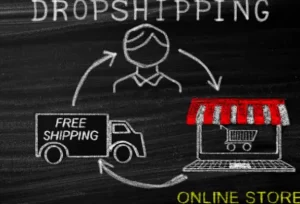
Dropshipping success isn’t about luck—it’s about making smart choices and taking consistent action. Here’s how you can set yourself up for success:
1.Choose the Right Products
Product selection is key. Use tools like Google Trends or AliExpress to find products with rising demand. Examples include foldable keyboards for remote workers or personalized gifts for special occasions.
2.Build a Professional Online Store
Your store is the face of your business. Platforms like Shopify and WooCommerce make it easy to set up a sleek, functional store. Compare their features to see which one suits your needs best.
3.Run Targeted Marketing Campaigns
Don’t waste money on broad advertising. Instead, focus on targeted campaigns. For instance, a $50 ad targeting 25–35-year-old travelers for travel gear can outperform a $200 untargeted campaign.
Leverage Tools and Resources
Tools like Oberlo and DropSure simplify the process of sourcing products and fulfilling orders. These resources save time and reduce errors, allowing you to focus on growing your business.
4.Adapt Pricing Strategies
Tax regulations and shipping costs vary by region. For example, in Canada, Ontario’s tax rate is 13% compared to Alberta’s 5%. Adjust your prices to account for these variations while maintaining competitiveness.
Why DropSure is Your Secret to Success

If you’re serious about succeeding in dropshipping, DropSure can make your journey smoother. Here’s why:
Lower Costs
DropSure offers products at 15–20% lower prices than competitors, helping you maintain competitive pricing while preserving profit margins.
Free Tracking Services
Unlike most platforms that charge for tracking, DropSure provides it for free, saving you up to $100 per month.
Affordable Logistics and Warehousing
DropSure’s logistics and warehousing solutions cost 10–15% less than the industry average. This helps you save on operational costs.
One DropSure user reported saving $500 in logistics costs in just three months. This gave them a big advantage over their competitors.
Take the First Step Today
Success in dropshipping is achievable, but it requires the right tools, strategies, and mindset. With DropSure, you’ll have access to the resources and support needed to turn your dropshipping dreams into reality. Don’t let challenges hold you back—register with DropSure today and start building your success story!

Contents
Toggle