


















< Blogs

Dropshipping in 2026: Trends Every Ecommerce Seller Needs to Know

Vivan Z.
Created on November 14, 2025 – Last updated on November 14, 20254 min read
Written by: Vivan Z.

As ecommerce continues to evolve, dropshipping remains one of the most accessible and flexible ways to start and grow an online business. But the landscape is changing faster than ever. At Dropsure, we’ve observed emerging patterns that will define the next wave of successful dropshipping businesses in 2026. Here’s what merchants should pay attention to.


1. Speed and Reliability Will Become Non-Negotiable

Consumers now expect faster delivery than ever. In 2026:

  • Same-week or 5-day shipping will become the baseline expectation in most markets.
  • Brands relying on slow suppliers will struggle with conversion rates and negative reviews.
  • Real-time tracking, automated updates, and transparency will be key to winning trust.


What merchants can do:

  • Prioritize suppliers with proven speed and reliability.
  • Explore hybrid fulfillment: dropship new products for testing, scale winners through bulk purchase or local fulfillment centers.


2. Data-Driven Product Selection

In 2026, guessing won’t cut it. Successful sellers will use:

  • Real-time sales analytics to identify emerging trends
  • Customer behavior data to forecast demand
  • Profit margin tracking per SKU, factoring in shipping and fees

Dropshipping will shift from a trial-and-error model to a strategic, data-driven approach.


3. Automation and AI Will Transform Operations

Automation tools will no longer be optional—they’ll define competitiveness. Key areas include:

  • Order management and fulfillment routing
  • Inventory tracking across multiple channels
  • Customer communication automation: shipping updates, FAQs, follow-ups

AI will also assist in:

  • Ad optimization
  • Product research and trend prediction
  • Customer segmentation and personalized recommendations

Merchants who adopt automation early will save time and scale faster.


4. Sustainability and Ethical Sourcing Matter More

Consumers increasingly consider environmental impact and ethics when shopping online. By 2026:

  • Eco-friendly packaging, carbon-conscious shipping, and transparent sourcing will influence purchasing decisions.
  • Brands that can communicate a commitment to sustainability will gain trust and loyalty.

Actionable tip: Start auditing your supply chain and consider eco-friendly options now—early adopters will benefit from higher retention and brand equity.
5. Hybrid Dropshipping Models Will Dominate

Pure dropshipping is giving way to hybrid models:

  • Test products via dropshipping with minimal risk
  • Scale winning products with bulk fulfillment or local stock
  • Maintain a mix of flexibility and reliability

This reduces risks, improves delivery speed, and protects cash flow while scaling.


6. Social Commerce and Platform Integration Will Expand

Platforms like TikTok, Instagram, and emerging social marketplaces will continue to dominate online retail. Successful merchants will:

  • Integrate store operations directly with social platforms
  • Leverage short-form video and live shopping to drive sales
  • Use data from social commerce to inform product and ad strategy

Dropshipping merchants who master social commerce early will have a major competitive edge.


7. Key Takeaways for 2026

  1. Fast, reliable fulfillment is now table stakes.
  2. Data-driven decisions outperform guesswork.
  3. Automation and AI are critical for scaling efficiently.
  4. Sustainability and ethics influence long-term brand value.
  5. Hybrid models reduce risk and improve speed.
  6. Social commerce integration is essential for modern marketing.


At Dropsure, we focus on helping merchants navigate these trends with tools and services that simplify fulfillment, improve data visibility, and support scalable growth.

The future of dropshipping in 2026 will reward merchants who are prepared, adaptive, and data-informed. Those who embrace these changes will not only survive but thrive.
DropSure is Your Best Partner
22 Years Experience
Affiliate Rebates
100% Quality Guarantee
Top-Up Rewards
10+ Global Warehouses
Custom Branding Support
Smart inventory System
24/7 Customer Support
Get a Quote in 24 Hours
Start Sourcing for Free

Keep Learning

Selecting winning products is the backbone of every successful dropshipping business. Yet, for many beginners, choosing what to sell can feel like gambling—picking random categories, following trends blindly, or guessing based on intuition. But there’s a far more reliable method hiding in plain sight: Amazon’s Best Sellers list. Amazon is the world’s largest product search engine and the most data-rich retail marketplace. Millions of customers vote with their wallets every single day. When a product climbs Amazon’s charts, you’re not looking at a trend—you’re witnessing real market demand backed by global buyers. This long-form guide will walk you through exactly how to analyze Amazon Best Sellers, extract product insights, validate demand intelligently, and build a profitable dropshipping offer around it. To make everything practical, we’ll also break down a complete real-world case study where a dropshipping seller used Amazon data to pick, test, and scale a winning product—all through one-piece dropshipping (一件代发). Let’s get started. 1. Why Amazon Best Sellers Is the Most Reliable Product Research Tool Before diving into strategies, it’s important to understand why Amazon is such a powerful tool for dropshippers. 1.1 Real consumer demand Amazon is not social media. There’s no fake engagement, vanity metrics, or marketing hype. The products on Best Sellers move because customers buy them—period. 1.2 Huge sample size Google Trends tells you interest. TikTok shows viral topics.But Amazon tells you who actually spends money right now. 1.3 Transparent categories and rankings Amazon updates rankings hourly, and every product on the list is traceable: Listing age Review velocity Price fluctuations Competitor count Variation performance No other marketplace provides this level of visibility. 1.4 Direct inspiration for dropshipping Many Amazon bestsellers are simple, low-cost […]

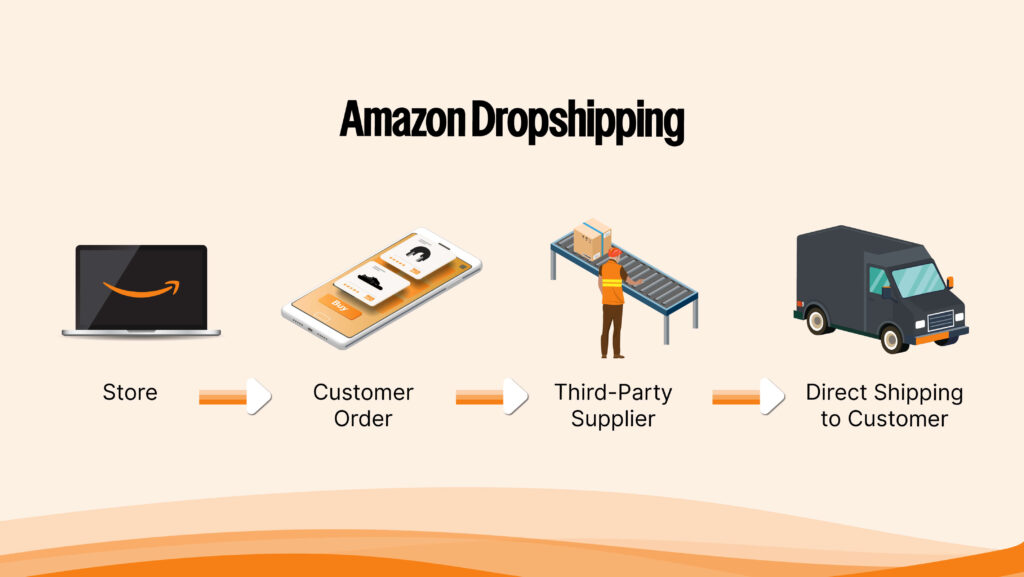
Did you know that coffee is one of the most widely consumed beverages in the world? In fact, the global coffee market is worth billions of dollars and continues to grow each year. Consumers today aren’t just looking for any coffee – they’re after high-quality beans, unique blends, and convenient ways to enjoy their favorite brew. As demand for premium coffee rises, more and more entrepreneurs are jumping into the coffee dropshipping business. But here’s the million-dollar question: Is dropshipping coffee really profitable? Can you turn a passion for coffee into a thriving business without the risks of managing inventory? In this guide, we’ll explore the coffee dropshipping model and help you figure out if it’s a smart business move for you. Let’s dive in! What Is the Coffee Dropshipping Model Before we jump into the profitability of coffee dropshipping, let’s first break down how it works. Coffee dropshipping is a simple, low-risk business model where you sell coffee online without holding any inventory. Instead, you partner with coffee dropshipping suppliers who will handle the product storage, packing, and shipping directly to your customers. When a customer orders a product, your supplier takes care of all the logistics behind the scenes, and you earn a profit without ever touching the product. This model is great for people who want to start an online coffee business but don’t want to deal with the hassle of inventory management or complex shipping logistics. One of the best parts of dropshipping is that you don’t need a warehouse or a massive upfront investment. It’s a low-barrier entry into the coffee business that’s scalable, flexible, and simple. For beginners, using a platform like DropSure can […]

Many e-commerce brands may appear large and well-established, but in reality, they don’t manufacture their own products. Instead, they simply put their brand logo on products that are produced and supplied by third-party manufacturers. This is what we’re focusing on today: White Label products. This model allows businesses to concentrate on brand building and marketing, while outsourcing the complex manufacturing process to specialized producers. What’s even better is that white label products can be applied across almost every category—from beauty and food to software and home goods—offering considerable profit margins. What is White Label?  White label basically means taking a product that’s already mass-produced by someone else, slapping your own brand and packaging on it, and then selling it as your own. Think of it like buying a “semi-finished” product and turning it into your own “star product.” But don’t confuse it with Private Label—they’re not the same. Private label products are made specifically for your brand, and only you can sell them. White label products, on the other hand, are ready-made and available for anyone to rebrand and sell. Here’s a simple example: Let’s say you want to sell hand sanitizer.If you go the white label route, you just need to find a supplier who already makes hand sanitizer. You get the product, put your logo on it, change the packaging a bit, and boom—you can start selling it online or in physical stores.If you choose the private label route, you’ll need to work with a manufacturer to create a unique formula, custom bottle design, and exclusive packaging—making it a product only you can sell. That way, competitors can’t offer the same thing. The beauty of white label is […]