


















< Blogs

Cross-Border E-commerce Dropshipping: Compliance, IP & Consumer Protection

Vivan Z.
Created on March 28, 2025 – Last updated on April 1, 202513 min read
Written by: Vivan Z.

In the ever-changing landscape of international trade, cross-border e-commerce is seizing unprecedented development opportunities. The dropshipping model, with its low start-up barrier and financial cost advantages, is gradually becoming a popular choice among e-commerce entrepreneurs. Sellers do not need to pre-stock inventory or rent warehouses, but can instead focus solely on product promotion and sales, while suppliers handle production and shipping, significantly reducing initial risks.

However, while enjoying the convenience of dropshipping, cross-border e-commerce also faces a complex and dynamic international market and regulatory environment. Varying consumer preferences and regulatory requirements across countries make compliance operations key to ensuring robust business development. Only by strictly adhering to all regulations can sellers effectively manage risks and achieve long-term success.

This article will explore compliance operation methods for cross-border e-commerce dropshipping, analyze the model’s advantages and potential risks in detail, and provide you with practical compliance recommendations.

What is Dropshipping?

Dropshipping is a retail model where the seller (also known as the dropshipper) does not directly hold or manage inventory. In this model, the seller showcases products on an online store or e-commerce platform. Once a customer places an order, the seller forwards the order details directly to the supplier or manufacturer. The supplier or manufacturer then ships the product directly to the customer.
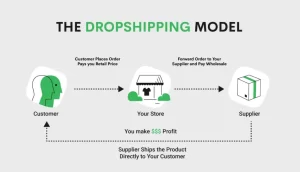
dropshipping model

So, what are the advantages of dropshipping?

Imagine you are the owner of an online clothing store. You don’t need to rent a warehouse to store thousands of pieces of clothing or worry about unsold inventory. Instead, you simply display photos and descriptions of the clothing on your website, and once a customer orders, you notify the supplier to ship the product. This is the freedom that the dropshipping model offers.

Additionally, when a customer sees an item on your website and places an order, the order information is immediately relayed to your supplier. The supplier then picks the product from their warehouse based on the order details and ships it directly to the customer. This process is fast and efficient, reducing intermediaries and improving response times.

In the dropshipping model, your profit comes from the difference between the selling price and the supplier’s wholesale price. For example, if the wholesale price of an item is $20 and you sell it for $40, once the customer places an order, you pay $20 to the supplier and keep the remaining $20 as profit. This model enables you to make sales with minimal upfront costs.

Compliance in Operation: Key Points for Dropshipping in Cross-Border E-commerce

When operating a dropshipping business in cross-border e-commerce, compliance is critical. To conduct your business legally and in accordance with regulations, please consider the following points:

Avoid Infringing Intellectual Property Rights 

Unauthorized use of another party’s brand name or trademark 

This refers to the use of another party’s brand name, logo, or trademark without obtaining proper authorization. Whether it’s on product packaging, promotional materials, or website displays, using protected brand elements may confuse consumers into mistakenly believing that the product is associated with a well-known brand. Such actions not only harm the reputation of the original brand but may also lead to legal disputes, resulting in high compensation and administrative penalties for the company.
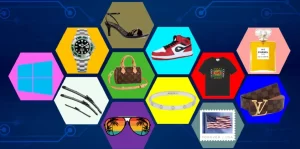
Unauthorized use of another party's brand name or trademark

Selling Products That Are the Same or Similar to Popular Brands  

Selling items with a highly similar appearance, design, or style to those of popular brands can easily mislead consumers into believing that the products are genuine or officially licensed. Even if the product quality differs, an overly similar design may infringe on the original brand’s design rights or patents, potentially leading to legal disputes. Once consumers’ trust in authentic products is undermined, it not only damages the brand’s image but also disrupts market competition, resulting in significant economic losses and reputational crises.

Sourcing Products from Unregulated Channels 

Purchasing products through unregulated channels often lacks proper documentation of legitimate sourcing. This increases the likelihood that the products are counterfeit, substandard, or of poor quality. Selling such products not only causes direct economic and safety losses for consumers but also exposes the business to infringement and fraud risks. Regulatory authorities impose strict penalties on counterfeit and substandard products, and businesses may face severe sanctions, potentially leading to the collapse of their commercial reputation and brand image.

Selling Products with Copyrighted Designs 

Using copyrighted design elements in the production and sale of products without authorization constitutes direct infringement. For example, printing Disney characters or other well-known copyrighted images on items such as T-shirts and hats without permission can easily lead consumers to assume that the product has official endorsement. Such actions not only severely violate the legal rights of the copyright holders but, once discovered, may result in lawsuits with heavy compensatory damages and market bans, among other adverse consequences.

Recommendations to Avoid Infringement Risks 

In actual business operations, to avoid legal risks and commercial losses associated with intellectual property infringement, it is essential to verify the credentials of your suppliers. Businesses should ensure that suppliers possess valid business licenses, brand authorization certificates, and other relevant documents, thereby reducing the risk of procuring infringing products. Before listing products for sale, it is advisable to have thorough communication with suppliers, clearly conveying the intention to sell products through overseas online channels and discussing related intellectual property issues in detail, ensuring that both parties have a clear understanding of their responsibilities and obligations.

Additionally, tools such as Google’s “reverse image search” can be utilized to compare product appearances and designs to detect any high similarity to well-known brands, thus identifying potential infringement risks early. If there is any uncertainty during information gathering and assessment, it is important to consult with a professional lawyer familiar with the relevant laws and regulations. A lawyer can not only interpret specific intellectual property laws but also assist the business in formulating compliant sales strategies, ensuring that all applicable intellectual property laws and standards in foreign markets are adhered to, thereby safeguarding the business’s legal rights and market competitiveness.

reverse image search

Common Behaviors That Harm Consumer Rights

Abusing Consumer Personal Information
The personal information provided by consumers during the shopping process is sensitive data and should not be misused. Some sellers may use consumer information for unauthorized marketing activities or sell it to third parties, thereby infringing on consumers’ privacy rights. To protect consumer privacy, sellers should clearly inform consumers of the purpose when collecting information and obtain their consent to receive marketing emails. Additionally, providing a clear link to the privacy policy on the platform ensures that the handling of information is transparent and secure. 


Implementing Unreasonable Return and Exchange Policies and Concealing Costs 

Unreasonable return and exchange policies can make it difficult for consumers to assert their rights when issues arise. Hiding information about associated costs can also lead to misunderstandings in purchasing decisions. To safeguard consumer rights, sellers should establish a dedicated returns and exchanges policy page that details all terms and fees, ensuring transparency. Clear policies not only help consumers understand their rights but also contribute to establishing the company’s image of integrity.

Lack of Accurate or Updated Logistics Tracking Information 

Timely and accurate logistics tracking information is a key part of the consumer experience. Some sellers, due to choosing unreliable logistics service providers, may leave consumers without the latest logistics status during the waiting period, thereby affecting the shopping experience. Selecting a logistics provider that offers comprehensive tracking services, ensuring that consumers can always check the delivery progress, is an important measure to protect consumer rights.

Insufficient After-Sales Support or Difficulty Reaching Customer Service 

After-sales service is crucial for consumers when they encounter issues after purchasing a product. Insufficient after-sales support or difficulty reaching customer service can easily lead to consumer dissatisfaction and complaints. An effective after-sales service system should not only promptly address consumers’ questions and complaints but also establish multi-channel customer contact mechanisms so that consumers can receive effective assistance when issues arise. This, in turn, improves the overall shopping experience and enhances the company’s reputation.

Insufficient After-Sales

Accurate Advertising Should Reflect the Actual Product 

In all marketing activities, the advertising content must truthfully reflect the actual products being sold. If there is a significant discrepancy between the advertised product and the actual product received, consumers will be severely misled, which may lead to legal actions and a crisis of trust. Sellers should ensure that advertisements, images, and descriptions are consistent with the actual product, avoiding exaggeration or false advertising. This approach not only effectively reduces legal risks but also helps in building long-term, stable customer relationships.

Common Advertising Errors

Exaggerating Product Features or Effects 

Exaggerating a product’s features or effects in advertising copy can lead consumers to develop unrealistic expectations, resulting in disappointment when the product is actually used. To build long-term trust, sellers should use precise and objective language to describe product functions, ensuring that marketing content accurately reflects the product’s real performance. This helps avoid consumer complaints or legal disputes arising from discrepancies between the promotion and the actual product.

Over-Enhancing Images 

Using overly enhanced product images may mislead consumers, who might later discover significant differences between the promoted appearance and the actual product. Therefore, sellers should opt to display genuine images, or re-photograph and edit images in a realistic setting, to ensure that the visual representation accurately reflects the product’s true condition. This approach enhances customer satisfaction and trust.

Inaccurate Product Descriptions 

Inaccurate or vague product descriptions can lead to doubts about the product’s functions, specifications, and quality. After thorough communication with suppliers, sellers should ensure that all product details—such as materials, ingredients, and certification marks—are accurately reflected on the product page. This helps consumers make informed purchasing decisions and reduces the risk of disputes caused by information asymmetry.

Manipulating Product Reviews 

Some sellers attempt to manipulate product reviews to enhance the product’s image. This behavior not only violates principles of honest business practices but can also result in a poor consumer experience after purchase, ultimately damaging the company’s reputation. Maintaining genuine product reviews helps consumers obtain objective feedback. Sellers should encourage honest evaluations from buyers and avoid any form of deceptive promotion, thereby establishing a robust system of customer trust.

Manipulating Product Reviews 

Exaggerating Discount Offers 

While exaggerating discount offers in promotional activities can quickly attract consumer attention, discrepancies between the advertised and actual discounts can lead to consumer dissatisfaction and complaints. Reasonable pricing and transparent disclosure of discount information not only prevent issues of false advertising but also maintain the company’s image and market integrity, helping sellers build a strong reputation in a competitive environment.

Adhering to Tax and Licensing Regulations  

In cross-border dropshipping, it is not only important to maintain accuracy and truthfulness in advertising and product descriptions, but also to strictly comply with tax and licensing regulations. In mainland China, sellers need to hold a valid business license and timely declare VAT and corporate income tax; while operating in overseas markets, it is even more critical to pay attention to the tax requirements and licensing regulations of the target market. Properly managing tax issues and licensing compliance can help avoid account suspensions, website bans, or hefty fines due to violations, and lays a solid foundation for the long-term, stable development of the business.In summary, through the content above, you should have gained a more comprehensive understanding of the dropshipping model in cross-border e-commerce. This model, while having low barriers to entry and minimal capital costs, offers you an excellent opportunity to enter the international market. However, it also comes with complex legal regulations and market supervision risks.

Summery

To ensure your business develops steadily, you need to pay attention to intellectual property protection, consumer rights maintenance, truthful and accurate advertising, and strict compliance with tax and licensing regulations.

DropSure is Your Best Partner
22 Years Experience
Affiliate Rebates
100% Quality Guarantee
Top-Up Rewards
10+ Global Warehouses
Custom Branding Support
Smart inventory System
24/7 Customer Support
Get a Quote in 24 Hours
Start Sourcing for Free

Keep Learning

Are you thinking about starting a medical supply business? You might wonder if there’s a dropshipping company for medical products. Yes, there is, and finding suppliers for medical equipment is easy. You can get wholesale medical supplies at great prices, helping you start your business without spending too much. Finding the right suppliers is key to a successful business. You’ll learn how to find them, set up your online store, and market your business. With the right help, you can make your medical supply dropshipping business thrive and start making money. Introduction to Medical Supply Dropshipping This article will teach you about the benefits of dropshipping medical supplies and how to start. You’ll learn how to find good suppliers, set up your online store, and market your business. Whether you’re new or looking to grow, this article will give you the info you need to succeed. Key Takeaways • You can find wholesale medical supplies at unbeatable prices through a medical dropshipping company. • Suppliers medical equipment can be easily sourced with the right guidance. • Setting up an e-commerce platform is a crucial step in starting a medical supply dropshipping business. • Marketing your business is essential to attract customers and increase profits. • With the right guidance, you can build a successful medical supply dropshipping business and start earning profits. • Finding reliable suppliers is critical to the success of your business. • Dropshipping wholesale medical supplies can be a profitable and successful business venture. Understanding the Medical Supply Dropshipping Business Model Starting a business in the medical supply industry? It’s key to know the dropshipping model. This way, you can sell medical supplies without keeping any stock. […]

In dropshipping, product selection is important—but timing is everything. You can have a great product, a reliable supplier, and a beautifully designed store. Yet if you launch that product too early, you burn cash. Launch too late, and the market is already saturated. This is especially true for seasonal products, where demand rises and falls on a predictable—but often misunderstood—schedule. Successful dropshippers don’t chase seasons.They prepare for them. This guide breaks down how to build a golden seasonal product timeline—so you know what to sell, when to test, when to scale, and when to exit. If you want consistent revenue instead of seasonal chaos, this is your roadmap. 1. Why Seasonal Products Matter in Dropshipping 1.1 Seasonal Products Drive Explosive Demand Seasonal products benefit from: Natural urgency Emotional buying triggers Predictable demand spikes Think: Summer cooling products Back-to-school supplies Holiday gifts Winter wellness items When timed correctly, seasonal items can: Convert faster Require less persuasion Command higher margins 1.2 The Hidden Risk of Seasonality However, seasonal products also: Have short selling windows Require precise planning Punish late movers The biggest mistake new dropshippers make is confusing high demand with good timing. 2. The Core Principle: You Sell Before the Season Peaks Here’s the rule that separates beginners from professionals: You must launch before customers realize they need the product. By the time demand is obvious: CPMs are high Competition is intense Margins are shrinking The real money is made in the buildup phase, not at peak season. 3. Understanding the Seasonal Demand Curve Every seasonal product follows a similar curve: Dormant Phase – No visible demand Early Awareness Phase – Smart buyers start searching Growth Phase – Demand accelerates rapidly […]

In 2025, the e-commerce industry continues to grow rapidly, and Dropshipping and Print on Demand (POD) are two of the most popular business models. Many entrepreneurs often find themselves torn between the two when deciding which type of e-commerce store to start. So, what are the key differences? Which model is better for you? In this article, we will thoroughly compare these two business models, discuss their pros and cons, and help you make a well-informed decision. What is Dropshipping? Dropshipping is an e-commerce business model. The retailer doesn’t keep inventory. Instead, they team up with a supplier. When an order comes in, the supplier ships the products straight to the customers. In this model, the retailer focuses on sales and marketing while the supplier takes care of product manufacturing, inventory management, and shipping. For more details on dropshipping, check out our previous article on What is Dropshipping & How to Start. What is Print on Demand? Print on Demand (POD) is a custom e-commerce model where the retailer does not need to purchase large amounts of inventory upfront. Instead, products are printed and produced only when a customer places an order. This model is often used for custom items like T-shirts, mugs, posters, and more. It allows retailers to offer unique and personalized products without the need for upfront inventory investment. For more detailed information on Print on Demand, refer to our earlier article on What is Print on Demand? A Beginner’s Guide to the Growing?. Dropshipping vs Print on Demand: A Comparative Analysis Dropshipping Pros & Cons Print on Demand Pros & Cons   Dropshipping vs Print on Demand: A Comparative Analysis Which One Should I Choose? Instead […]

Recommended for you

Summer quilt air conditioner washable cool feeling silk ice cream single blanket machine washed solid color single or double sized quilt
$ 11.82
Tibetan Singing Bowl Set Lotus Unique Gift Helpful for Meditation Yoga Relaxation Chakra Healing Prayer and Mindfulness
$ 4.55
Summer in the Country by Billy Jacobs Ready to Hang Framed Print White Frame
$ 52.92
HIFI Player C10 MP3 Digital Walkman Player FM Campus Radio ebook
$ 29.65
Electric Hand Warmers Rechargeable LCD Display Intelligent Bracelet Hand Warmer 2 In 1 Fast Heating Double-sided Hand Heater For
$ 3.88
Ins style women&#039;s new titanium steel bracelets 18K gold stainless steel inlaid zircon fashion bracelet accessories
$ 2.91
Summer casual shorts for mens quick drying quarter length pants wholesale cross-border 2023 new European and American style trendy mens pants
$ 3.00
Vintage Seraph cross necklace European and American exaggerated fashion style pendant
$ 1.41
Nitta Modern Adjustable Arm Love Seat Stylish Two-Seater with Soft Upholstery and Metal Frame for Contemporary Living Spaces
$ 166.95
Tight fitting sandblasting yoga suit quick drying fitness suit winter outdoor running suit female
$ 13.57
BN022 new 2024 summer and autumn thick soled womens shoes height increasing casual board shoes spliced sports leather shoes student trend
$ 7.06
New Chinese style creative living room solid wood three legged table lamp Zhongshan Nordic designer home bedroom bedside lamp
$ 35.29
Collagen tear facial mask wraps facial mask at night
$ 1.32
USB charging ceramic blade retro oil head carving push white push photoelectric push hair clipper
$ 3.12
Womens Thick Knitted Cardigan Sweater
$ 7.41
Poker Ace Golf Ijzeren Hoes Golfclub Pu Lederen Ijzeren Clubhoofdbedekking Headcovers Past Voor Ping Taylormade Mizuno
$ 10.41