
















 En
En
 11 min read
In recent years, dropshipping has become one of the most popular e-commerce models. If you’re trying to bring in some cash without having to work for it all time, the concept of running a store but without any inventory is a dream come true. But here’s the real question everyone asks — is dropshipping real passive income?
In this article, we’ll explore whether dropshipping can be a source of passive income and how you can tweak your business model to work on automation and lower your involvement. If you want to jump right into dropshipping and start reaping the rewards without as much effort, keep reading.
What is Dropshipping?
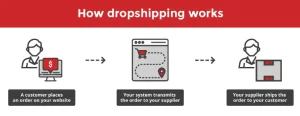
So first things, what is dropshiping. Lines, dropshipping is a no-stokia electronic trade architecture. You won’t need to pay for and record stock up front as a seller. Here’s how the process works: a customer submits an order, you forward the order to the supplier, and the supplier ships the product directly to your customer. You deal with the marketing and customer service, and the supplier takes care of everything else: logistics, inventory and shipping.
The biggest perk of this model is that you don’t need to be concerned about the risks of inventory management, and you also won’t have to do the packaging and shipping. Thus, it becomes very beneficial for whoever has the least investment in the beginning.
What Is Passive Income?
So, what is passive income, exactly? In the simplest of terms, it is money that continues coming in even after you spend some upfront time and effortearning it, without needing to “work” for it endlessly. Remember to do the front-loading work—creating a website, selecting appropriate products and creating your marketing strategies. Once that’s out the way, you can start earning as you do other things. 6. Leverage AutomationFor instance, after building an online store, orders can continually be made without you having to actively work on it.
Passive income is so appealing because it’s automated and scalable. Once you’ve established a sustainable source of income it runs itself without you having to show up each day. It’s as if you’re installing a system that benefits you while you sleep.
Is Dropshipping Really a Passive Income?
Great question! You may wonder if dropshipping can be a source of passive income — the short answer: Yes, but it’s not without some big considerations. Here’s why:
Automation
One of the greatest advantages of dropshipping is that it removes inventory management from the equation and any consideration of upfront costs. As your small business evolves, you’re able to automate many of the main steps like order fulfillment, inventory updates and customer communications, all with various tools.
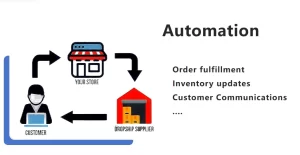
That is when you’ve got this thing set up, you can run your store with a lot less day-to-day management.
Flexible Working Hours
And then another bonus was the flexibility. If you put together the design but you can market yourself though, you can run your business from just about anywhere — at home, on vacation and even in a coffee shop. You only need an internet connection to handle orders and communications. That said, you have to spend some time and effort getting everything set up first before you can have the freedom.
The Ability To Scale & Profit Potential
Dropshipping has very high scalability. Once you have the automation system set up, you can grow your business by adding more products and tweaking your marketing strategy to reach more people. This growth results in greater profit without driving up your already-bloated workload. In a way, you can build a stream of income that expands without taking more of your day-to-day time.
Active Income VS Passive Income
The active income, earned because you put in your time and labor. In most cases, this income corresponds to what you do, whether that be a full-time role with a salary, part-time work or hours-based payments. So, in a basic sense, if you stop working, the income stops. Passive income, on the other hand, is money that’s made after initial effort or investment, without having to continue doing work to maintain it. It keeps making money for you even when you aren’t working, usually through an automated system or an asset.
Choosing between active and passive income depends on your goals, schedule, and risk tolerance. Combining both can lead to a more stable and diversified financial future.
Easy Guide to Create Passive Income with Dropshipping
If you want to explore this field, here’s a step-by-step guide to getting started with dropshipping:
Look For Trends And Consumer Behavior Target the Most Trending Products Building A Successful Dropshipping Business The first step is to use tools like Google Trends, which show what is happening in the market right now. So try and find a high demand and low competition niche. You will have the advantage, and attract the most buyers this way. When you have established what your niche is, it’s time to set up your e-commerce stores. Beginner-friendly platforms such as Shopify, eBay, Amazon, or Etsy are the best starting point in this regard, as they provide you with templates that allow you to set up your store easily. They also provide payment gateways, inventory management, and support so you can avoid the technical aspects of the process.
Choose Profitable Products
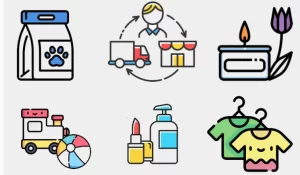
Focus on items with strong demand and healthy profit margins when choosing products. The best opportunity to make money is with inexpensive, popular product. Validate your product decisions with Google Trends or competitor research. You can also look at online marketplaces for what’s currently selling well.
Establish Relationships with Trusted Suppliers
The supplier is the most important element in dropshipping. You cannot take the risk to not work with reliable suppliers who can provide you with quality products at an affordable price and a maximum time for shipping. Some popular suppliers sourcing platforms are AliExpress, SaleHoo, and Oberlo. You can find suppliers that have good customer feedback and timely delivery. A good supplier will always have your back so have a good relationship with them.
Develop a Marketing Strategy
You have built your store, selected your products, and now here comes the time to market. Make your store more visible to search engines like Google by adding SEO (Search Engine Optimization) to your store. Creating fiscal info like blog posts, videos, social media posts that attract potential patrons is equally vital. And platforms including Instagram, TikTok and Facebook can drive traffic. Or if you have a budget, test paid ads to reach more people.
Deliverariackingpating Prteror Gaves
Providing higher levels of customer satisfaction is critical to long-term success. Although dropshipping can be automated, customer service needs your expertise. Provide fast, reliable shipping, an easy returns policy, and be responsive to customers. Good customer service means positive reviews, repeat business, and word-of-mouth marketing, all of which contribute towards growing your passive income.
Analyze Metrics
In order to continue improving your business and generate passive income, you must monitor the performance of your store. Using analysis tools like Google Analytics and Hotjar will allow you to measure key indicators like conversion rate, traffic, and customer feedback. But knowing what does (and doesn’t) work allows you to fine-tune your marketing and sales strategies, exponentially increasing your profits and minimizing your hours.
Dropshipping Passive Income Resources & Tools
If you want to automate and optimize your dropshipping business successfully, then you might want to use some smart tools and resources. Here are some essentials that can help save time and eliminate manual tasks, while also helping you scale efficiently:
DropSure
DropSure is a complete game-changer for streamlining order fulfillment as well as monitoring your stock and product research. This is a general termed digital instrument that can make any dropshipping working as easy as a pie right from the product selecting to the order processivement to the tracking and distribution and thus focusing more on the business than getting stuck in the everyday operations.
DropSure also tracks your profit margins — adjust your pricing automatically so you can always be competitive.

AI Tools
When it comes to optimizing your store, tools powered by artificial intelligence can be a huge asset. AI can appear to help with everything, from designing a store, to analyzing the market, to tracking price changes. Tools such as Shopify’s AI apps and AI-driven analytics tools enable you to make more informed decisions about which products to sell, how to price them, and when to change up your marketing strategy. This will not only save time and give you a better chance to see what is reporting in your market.
Advertising Tools
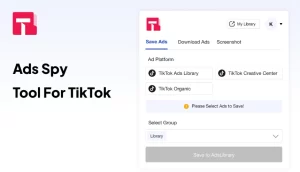
Marketing important for dropping the traffic and sales from the dropshipping Tools such as TikTok Ad Spy Tool makes it more easier to keep track on your competitors advertising activities closely. Tools like these give you insight into what’s working for others in your industry, so you can investigate their campaigns and apply what’s proving successful for them to your own. On Facebook Ads Manager and Google Ads, you can also handle paid ads that drive visitors to your shop.
Virtual Assistants
One of the best ways to automate and lighten up time for the dropshipping business is to hire virtual assistants (VAs). Examples of work that VAs can do include customer support, order processing, and even marketing. The right VA will allow you to outsource time-consuming functions so you can scale your business.
With the help of these tools and resources, you can create an effective dropshipping business that operates on autopilot most of the time, giving you the enjoyment of passive income.
Final Thoughts
But the question is, does dropshipping really make the passive income? Yes, though you need the right setup and a sound strategy. Although it’s not totally “hands-off,” automation tools and sound business practices can allow dropshipping to be a steady source of passive income. You can set up a system that makes money for you while you are sleeping, just be sure to automate as much as possible, focus on customer satisfaction, be efficient and always choose the right niche!
If you seriously want to play the game and scale your business, dropshipping could provide you the passive income we have craving, you have been looking for.