















 En
En
 14 min read
Before diving into the world of cross-border e-commerce independent sites, understanding their revenue models is crucial. Different business models determine the site’s operational direction, target customers, and profit channels.
Today, let’s explore the six major business models for cross-border e-commerce independent sites.
Model 1: DTC (Direct-to-Consumer) – Take Full Control of Your Brand

If you’re planning to build a cross-border e-commerce independent site, the DTC model is something you can’t ignore. Simply put, you become your own boss—selling directly to consumers without middlemen like agents, wholesalers, or retailers. No more commissions, no more markups—more profit, more control.
Think about it: You’ve worked hard to create a great product, but once it passes through layers of distributors, the price skyrockets, and your customers end up paying way more than they should. Sounds unfair, right? That’s exactly why the DTC model is a game-changer. It eliminates unnecessary costs, gives you full control over the sales process, and allows you to connect directly with your customers. You get instant feedback, adjust your product offerings accordingly, and continuously improve.
Even better, you own your space—from your website design to your marketing strategy. No more worrying about platform rules limiting your promotions. Want to run a flash sale? Go ahead. Thinking about personalized marketing? Do it. Want to build brand loyalty? The DTC model is made for it.
Real Case: Away – The DTC Luggage Success Story
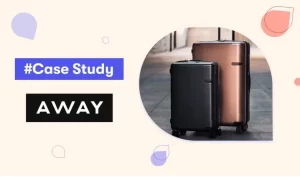
When it comes to DTC success stories, Away is a brand that stands out. From day one, they made a bold decision: skip traditional retail channels and sell directly to consumers through their own website. Their strategy? Create high-quality, stylish luggage while telling a compelling brand story that resonates with travelers.
But Away isn’t just selling suitcases—it’s selling the experience of travel itself. Their marketing playbook is a textbook example of DTC done right. Instead of relying on conventional advertising, they leveraged social media, influencer marketing, and travel-focused content to capture their ideal audience’s attention.
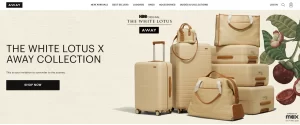
More importantly, they bypassed retail markups, offering customers premium luggage at a more affordable price, all while ensuring a superior shopping and after-sales experience. The result? Away skyrocketed in popularity and became a must-have brand for young travelers.
So, if you’re thinking about launching a cross-border e-commerce brand, the DTC model is worth considering. It gives you control over your brand, direct access to your customers, and higher profit margins. After all, why let middlemen take a cut when you can keep it for yourself?
Model 2: Platform-Derived Independent Website Model

If you’re just starting in cross-border e-commerce, launching an independent website right away can be challenging. After all, acquiring traffic, building brand trust, and accumulating users take time. However, establishing a presence on major platforms like Amazon and eBay first—gaining loyal customers and operational experience—before transitioning to an independent site can be a more secure path.
This model is essentially about “using platforms as a foundation and independent websites for long-term growth.” Large platforms can help you quickly enter the market, but they come with strict rules and high fees, making long-term dependence less ideal for brand development. In contrast, an independent website is your own “home turf,” where you have full control over pricing, brand image, and customer experience while reducing reliance on platform regulations.
Simply put, this model is like “starting with a booth in a shopping mall to attract steady customers and gain experience before opening your own store on the street.” It allows you to leverage platform traffic while gradually establishing your brand identity, ultimately achieving brand independence.
Case Study: Anker—From Amazon Bestseller to Global Independent Brand
Anker, a brand specializing in chargers and electronic accessories, is a prime example of “transitioning from a platform to an independent site.”
Initially, Anker relied on Amazon for sales. Thanks to its high-quality charging products and competitive pricing, it quickly gained popularity on Amazon, amassing a loyal customer base. However, instead of settling for being just another Amazon seller, Anker leveraged the brand influence it had built on the platform to establish its own independent website and expand its sales channels.

Their strategy included:
1.Building brand reputation through Amazon– By offering high-quality products and maintaining consistently positive reviews, they enhanced brand recognition.
2.Encouraging users to transition to the independent site– Packaging, user manuals, and social media campaigns directed customers to visit the official website, boosting independent site traffic.
3.Providing added value– The independent website offered exclusive products, membership perks, and personalized recommendations, making it more competitive than relying solely on Amazon.
Today, Anker not only maintains strong sales on Amazon but has also expanded globally through its independent website and even entered offline retail channels, becoming a well-known consumer electronics brand. This is a textbook case of successfully transitioning from a platform to an independent brand.
For sellers currently operating on platforms, this path is worth considering—leveraging platforms for growth, then using an independent site to establish brand autonomy and enhance long-term competitiveness.
Model 3: Vertical Niche Independent Website
If you want to start a cross-border e-commerce independent website but don’t want to compete head-on with the “all-in-one” giants of major platforms, then a vertical niche independent site might be your best choice. Focusing on a single category and excelling at it is often more effective than selling everything!
Simply put, a vertical niche independent website specializes in one specific industry—such as clothing, beauty, electronics, outdoor gear, or baby products—rather than trying to be a one-stop shop for everything. After all, establishing expertise and uniqueness in a particular field is far easier than attempting to appeal to everyone.
Think about it—if you’re looking for a pair of professional running shoes, would you trust a dedicated sports gear website or a massive online marketplace that sells everything? Most people would prefer the specialized store because it offers expert knowledge, detailed product information, and even running tips or shoe selection guides, making the purchase more reliable. That’s the power of a vertical niche independent site!
Why Choose a Vertical Niche Independent Website?
More precise target audience – Since your product focus is clear, identifying and reaching the right customers is easier, leading to more effective advertising and reduced wasted ad spend.
Stronger brand identity – Instead of engaging in price wars like on major platforms, you can craft a compelling brand story and differentiate yourself through branding.
Higher customer loyalty – When you provide specialized products, excellent service, and even industry insights, customers are more likely to stay engaged with your brand instead of making a one-time purchase and leaving.
By focusing on a nicahe, you can carve out a loyal customer base and establish a brand with long-term growth potential.
Model 4: Multi-Category Independent Website – Your Online Department Store
If selling just one category feels too limiting, then a multi-category independent website might be the right choice for you. It’s like an online department store—offering a wide range of products to meet consumers’ one-stop shopping needs.
Simply put, instead of focusing on a single niche, this model covers multiple product categories such as fashion, home goods, electronics, outdoor gear, beauty & personal care, and baby products. Consumers can find everything they need in one place, making shopping more convenient.
Why Choose a Multi-Category Independent Website?
✅ Broader audience reach – Different product categories attract different types of consumers, generating more traffic and reducing the risk of relying on a single market.
✅ Higher repeat purchase rates – Customers can buy various types of products from the same website without shopping around, making the experience more convenient and encouraging loyalty.
✅ Stronger economies of scale – Cross-selling opportunities arise as customers buying electronics might also purchase home essentials, boosting overall sales.
Case Study: SHEIN – The Ultimate Multi-Category Independent Website
SHEIN is one of the best-known examples of a successful multi-category independent store. It started as a fashion brand but later expanded into shoes, bags, beauty, home decor, and accessories, evolving into a global shopping platform.

One of its key success strategies is its low-cost, high-SKU, and fast-refresh model, which keeps consumers engaged and coming back for more.
Challenges to Consider
Running a multi-category independent site isn’t without difficulties. Challenges include:
? Complex inventory management – Handling a wide range of products requires a strong supply chain system.
? Higher supply chain demands – Ensuring consistent product quality across categories can be challenging.
? Increased customer acquisition costs – More products mean broader marketing efforts, which can drive up ad spend.
To succeed, you either need a strong supply chain network or powerful marketing capabilities—otherwise, you risk falling into price wars and low-profit margins.
Model 5: Social Commerce Independent Website – Turning Engagement into Sales

Still waiting for customers to come to you? Change your approach—make your products go viral on social media, get consumers hooked effortlessly, and lead them straight to checkout. This is the power of a social commerce independent website, where social media’s reach and interactivity become a steady stream of traffic, helping you sell products while building brand influence.
What Is a Social Commerce Independent Website?
Simply put, social commerce = social media + e-commerce. Your potential customers might just be casually scrolling through Instagram, TikTok, Facebook, Pinterest, or YouTube, but suddenly, they come across a viral video, a product review, or a live-streamed showcase. Before they even realize it, they’re on your website making a purchase. The process feels natural, seamless, and even enjoyable—without them consciously noticing how they were “converted.”
Case Study: Gymshark – The Sportswear Brand Built on Social Media
When it comes to social commerce success stories, Gymshark stands out. Instead of relying on traditional advertising, this sportswear brand leveraged social media marketing + an independent website to become a globally recognized fitness apparel brand.

Their winning strategy:
✅ KOL Marketing – Partnering with fitness influencers and social media personalities to create engaging video content featuring Gymshark apparel on Instagram and TikTok, directly targeting fitness enthusiasts.
✅ Community Engagement – Building a dedicated fan community where users share fitness progress, fostering brand loyalty and turning customers into brand advocates.
✅ Social-Driven Promotions – Using live streaming, limited-time discounts, and exclusive fan perks to boost engagement and drive sales through their independent website.
The Result?
Gymshark not only freed itself from reliance on major e-commerce platforms but also built a global fan base through its social commerce model.
If you want your independent store to thrive in the social media era, leveraging viral marketing and community engagement could be your winning formula!
Model 6: Wholesale Distribution Independent Website – Making Bulk Orders Easier
If your target customers aren’t individual consumers but retailers, distributors, or corporate buyers, you’re not looking for small retail transactions—you need bulk orders. In this case, a wholesale distribution independent website is your best choice, providing businesses with an efficient platform for bulk purchasing while ensuring your sales remain stable.
What Is a Wholesale Distribution Independent Website?
A wholesale independent website is essentially an online wholesale marketplace designed for B2B customers. Whether you’re selling apparel, home goods, electronics, or packaging materials, wholesale buyers tend to place large orders in exchange for better pricing. Many wholesale platforms also offer tiered discounts, customization options, and dedicated logistics solutions, making bulk purchasing seamless and encouraging repeat business.
Why Choose a Wholesale Distribution Independent Website?
More Stable Orders – Unlike retail customers, bulk buyers place larger, more frequent orders, ensuring a steadier cash flow.
Flexible Pricing Control – You can set tiered discounts based on order quantity, incentivizing customers to buy more.
Value-Added Services – Offer customization, dropshipping, bulk packaging, and tailored logistics to increase customer loyalty.
Case Study: Faire – The “Matchmaker” of Wholesale E-Commerce
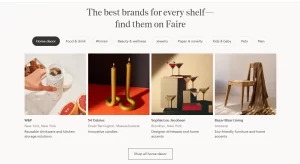
Faire is a leading B2B wholesale platform that connects brands with retailers. Its success comes from several key strategies:
Tiered Pricing – The more retailers buy, the bigger the discount, encouraging bulk purchases.
Smart Product Recommendations – AI-driven suggestions based on buyer preferences, helping retailers find products faster.
Flexible Payment & Returns – Offers 60-day payment terms, reducing financial pressure on retailers, and even allows returns to minimize inventory risks.
The Result?
Faire has helped countless small retailers find the right suppliers, while giving wholesalers a steady stream of bulk orders—a true win-win for both sides.
If you want to scale your business through B2B sales, a wholesale distribution independent website could be the smartest move for long-term growth!