
















 En
En
 9 min read
In the early days of dropshipping, you could simply find a trending product on AliExpress, throw together a quick Shopify store, run some Facebook ads, and watch the orders roll in. But those days are gone. Today, competition is fierce, customer expectations are higher, and generic products are everywhere. The dropshipping entrepreneurs who still win big are not the ones racing to the bottom on price—they’re the ones building brands.
Brand-driven dropshipping is no longer optional; it’s the new standard. Customers want more than products—they want identity, trust, and consistency. If your store feels like a copy-paste template selling the same items as 500 other sellers, it becomes nearly impossible to scale sustainably.
This article is your complete 4,000-word guide to transforming your dropshipping store into a strong, differentiated brand with loyal customers who buy again and again. We’ll cover branding strategies, product selection, storytelling, packaging, customer experience, and retention—all tailored specifically for the dropshipping model.
Let’s dive in.
1. The Rise of Brand-Driven Dropshipping
1.1 Why Branding Matters More Than Ever
Dropshipping used to be a quick arbitrage business. Buyers didn’t care what the store looked like—they just wanted the product. Now, customers are overwhelmed with options, ads, and impulse-buy offers. Their skepticism is higher, and their willingness to trust a no-name store is lower.
Branding solves that problem.
A strong brand:
-
Creates trust before the customer ever sees the product
-
Increases perceived value and justifies higher pricing
-
Makes your ads convert better
-
Reduces refund rates
-
Encourages referrals and word-of-mouth
-
Builds long-term customer loyalty
You’re no longer competing with “other Shopify stores.” You’re competing with Amazon. And Amazon always wins on speed, convenience, and price. What you can win on is emotion, community, and identity—which is branding.
1.2 Dropshipping Without Branding Is a Dead End
Consider two dropshippers selling the same posture corrector. One sells it on a generic store with stock photos. The other sells a branded pain-relief product with its own logo, professional lifestyle images, a detailed landing page, and inspiring stories from users.
Guess who wins?
Branding isn’t just “nice to have,” it’s the competitive moat that protects your business model. Without it, you will always struggle with:
-
Low conversion rates
-
High customer acquisition costs
-
Poor retention
-
Little to no differentiation
-
Constant dependence on paid ads
Branding turns a fragile business into a scalable operation.
2. Choosing the Right Niches for Brand-Driven Dropshipping
2.1 Not All Niches Support Branding
Some products are too commoditized to build strong branding around. If your product is purely functional and easily replaceable, it’s harder to justify brand loyalty.
Examples of poor branding niches:
-
Cheap phone cables
-
Generic kitchen gadgets
-
Simple home tools
-
One-time novelty gifts
These niches can make money, but they rarely build brands.
2.2 Strong Branding Niches
Brand-friendly niches share three traits:
(1) Emotional connection
Products connected to lifestyle, identity, or passion.
Examples:
-
Fitness
-
Pets
-
Beauty
-
Hobbies
-
Parenting
(2) Repeat purchases or upsell opportunities
Consumables or upgrade-friendly items work extremely well.
Examples:
-
Skin care
-
Supplements
-
Pet supplies
-
Home fragrance
(3) Story-driven differentiation
If your product category supports storytelling, you can create a memorable brand.
Examples:
-
Outdoor gear with adventure storytelling
-
Self-improvement products with transformation stories
-
Health & wellness products with before/after progress
Choose a niche where branding feels natural—not forced.
3. Building a Brand Identity for Your Dropshipping Store
3.1 The Core Elements of a Brand
Brand identity is more than just a logo. It includes:
-
Brand mission
-
Brand values
-
Core message
-
Visual identity
-
Tone and voice
-
Customer promise
-
Differentiators
-
Emotional positioning
The goal is to give customers a reason to care.
3.2 Crafting a Brand Story
A brand story answers three key questions:
-
Why does your brand exist?
-
Who does it help?
-
What transformation does it provide?
An impactful brand story connects your customer’s insecurities, desires, and aspirations to your product.
Example for a pet brand:
“We believe every pet deserves a happier, healthier life, so we create comforting products for anxious pets and the families who love them.”
3.3 Choosing Your Brand Voice
Your brand voice should reflect your audience’s personality.
Examples:
-
Playful & fun: Suitable for pet brands or lifestyle accessories
-
Scientific & authoritative: Good for beauty, wellness, or tech
-
Warm & emotional: Parenting or personal development niches
Consistency across ads, product pages, emails, and packaging builds trust.
3.4 Visual Branding
Visual identity includes:
-
Logo
-
Color palette
-
Typography
-
Imagery style
-
Website design
-
Product packaging
In dropshipping, where you don’t control manufacturing, visuals become even more crucial for differentiation.
4. Differentiating Your Dropshipping Products
4.1 Product Branding vs. Business Branding
Many beginners mistakenly rely solely on store branding. But the real power lies in product-level branding.
Ways to differentiate a product:
-
Add custom logo (white labeling)
-
Create custom packaging
-
Use branded instruction manuals
-
Offer unique bundles
-
Add exclusive features
-
Improve materials
-
Solve the pain points of competing products
4.2 How to Make “Generic Products” Feel Premium
Even if you can’t fully customize manufacturing, you can significantly enhance perceived value:
-
Replace stock images with real lifestyle photography
-
Use high-quality product videos
-
Write detailed, benefit-driven product descriptions
-
Provide better instructions than your competitors
-
Create a premium unboxing experience
Your competition may sell the same product—but customers won’t feel like it’s the same.
5. Branding With Suppliers: White Labeling and Private Labeling
5.1 White Label vs. Private Label
White label:
Supplier produces the product; you add your logo or packaging.
Private label:
Supplier custom-manufactures a product specifically for your brand.
For dropshippers starting out, white labeling is the ideal entry point.
5.2 Working With Suppliers
When choosing suppliers for branded dropshipping, focus on:
-
Low MOQ for branded packaging
-
Ability to print logos
-
Communication quality
-
Shipping speeds
-
Detail-oriented production
-
Willingness to help develop custom versions
Agents in China can help coordinate branding far better than factory sellers alone.
6. Creating a Premium Customer Experience
6.1 Why Customer Experience Is Part of Branding
Every interaction—from your ads to your thank-you email—shapes how customers perceive your brand. A strong experience creates loyalty; a weak experience destroys trust.
6.2 Branding Touchpoints You Must Optimize
(1) Website landing page
Should feel clean, premium, and trustworthy.
(2) Checkout experience
Simple, fast, and mobile-optimized.
(3) Post-purchase emails
Reassure customers and set expectations for shipping.
(4) Branded packaging
Even small touches make a big impact.
(5) Customer support
Friendly, personalized, and fast responses.
(6) Follow-up messages
Encourage retention and referrals.
A brand is built through consistency—not just visuals.
7. Brand-Driven Advertising Strategies
7.1 Branding in Creatives
Your ads should highlight:
-
Identity
-
Transformation
-
Emotion
-
Social proof
-
Story
-
Benefits (not just features)
Example of a branded angle:
“Designed for busy moms who want peaceful mornings again.”
This works far better than a generic product clip.
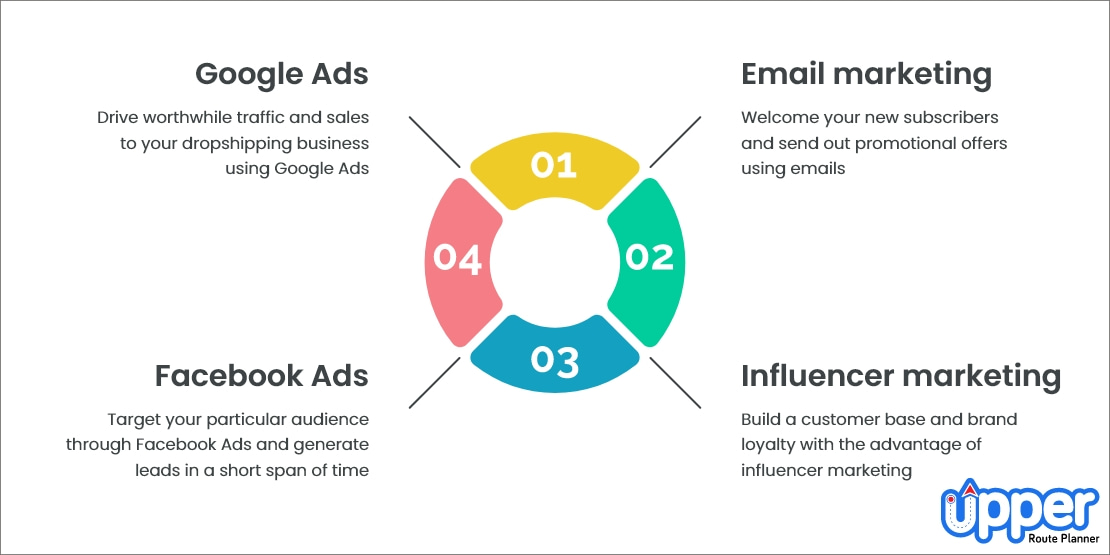
7.2 Influencer Marketing With Branding
Influencers help humanize your brand.
Better strategies include:
-
Sponsored UGC videos
-
Long-term influencer collaborations
-
Ambassador programs
-
Micro-influencers (high authenticity)
-
Unboxing videos
Influencers make your brand feel real.
8. Building a Loyal Customer Base
8.1 Acquisition vs. Retention
Most dropshippers spend 90% of resources on acquisition and 10% on retention. Brand owners do the opposite.
A repeat customer can be 5–10 times more profitable than a new customer.
8.2 How to Turn Buyers Into Fans
(1) Build a community
Use Facebook groups, Discord, or TikTok channels.
(2) Offer excellent after-sales service
Be proactive, not reactive.
(3) Launch loyalty programs
Reward repeat purchases.
(4) Collect feedback and improve products
Customers feel valued when they see changes.
(5) Use email and SMS for nurturing
Educational content works very well.
Retention is branding in action.
9. Long-Term Scaling Through Brand Building
9.1 When Dropshipping Evolves Into E-Commerce
As your brand grows, you can:
-
Switch from dropshipping to bulk orders
-
Move inventory to a 3PL or local warehouse
-
Create new custom products
-
Expand into retail or wholesale
-
Launch subscription services
-
Build an Amazon presence
-
Sell the entire brand
Many 7-figure “dropshipping brands” eventually become full e-commerce companies.
9.2 Exit Strategy: Building a Brand You Can Sell
Generic dropshipping stores have almost zero resale value.
Brands can be sold for 3–8× annual profit.
Buyers look for:
-
Repeat purchase rate
-
Customer database
-
Sustainable margins
-
Unique products
-
Clean financials
-
Strong brand identity
By building a brand from day one, you’re building an asset—not a side hustle.
10. Conclusion: Branding Is the Future of Dropshipping
The era of generic, copy-paste dropshipping is fading fast. In its place is a more sustainable, customer-centric model: brand-driven dropshipping.
By focusing on:
-
Differentiated products
-
Strong storytelling
-
Memorable customer experiences
-
Branded visuals
-
Community building
-
Long-term retention
you can build a business that outlasts trends, competitors, and algorithm changes.
Branding is not a buzzword—it’s your most powerful advantage.
If you can master branding, you can transform dropshipping from a risky hustle into a scalable, profitable, meaningful business.