













 En
En
 6 min read
Have you ever dreamed of running your own online store without worrying about inventory or shipping? That’s exactly what dropshipping offers—a low-risk, high-reward path for entrepreneurs. Whether you’re new to e-commerce or looking to level up an existing business, finding the right dropshipping platform can make all the difference. In this post, I’ll walk you through the unique features and benefits of some popular dropshipping sites, so you can get started smoothly and see real growth quickly.
What is Dropshipping? A Quick Overview
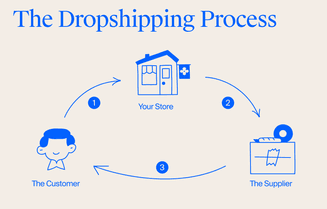
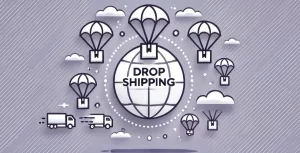
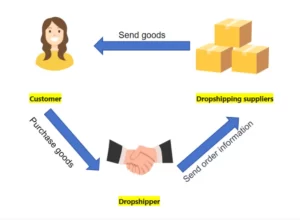
Dropshipping is a type of e-commerce business model where you don’t need to keep inventory. Instead, when a customer places an order, you work with a supplier who ships the product directly to them. This setup means you don’t have to handle stock, shipping, or logistics, making it a low-risk choice for people starting a new business. If you’re curious about how dropshipping works, check out our article What is Dropshipping & How to Start – Beginner Guide to dive deeper into the basics of the industry.
Best Dropshipping Websites to Know About
Choosing the right dropshipping platform is essential, especially since each one has its own strengths and unique features. Below, I’ve rounded up some of the top dropshipping websites and compared them to help you decide which one best fits your needs.
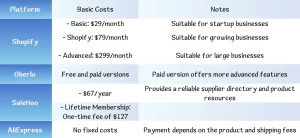
The table above breaks down the costs of different dropshipping platforms, making it easier for you to pick the one that best suits your needs.
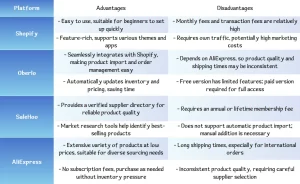
This table provides a clear comparison of the advantages and disadvantages of various dropshipping websites, helping you make a more informed decision.
Finding the Right Dropshipping Platform to Start Your Business
If you’re ready to start your dropshipping journey, choosing the right platform is essential. As a professional dropshipping supplier and platform, DropSure offers low costs, a wide product selection, and efficient logistics services. With DropSure, you can easily kickstart your e-commerce business while receiving continuous tech support and assistance. For more details on DropSure, check out our recommended article. You can also find valuable insights in articles like How Dropshippers Find Their Best Dropshipping Suppliers and The 8 Tips to Know When Choosing Dropship Products.
FAQ
When choosing a dropshipping platform, many people have similar questions. To help you make an informed decision, I’ve put together some of the most common questions and answers about dropshipping. These should give you a clearer picture of the industry and guide you toward finding the right platform for your business.
1.What is Dropshipping, and How Does It Work?
Dropshipping is an e-commerce model where you don’t hold inventory yourself. Instead, you partner with suppliers who handle the storage and shipping. When a customer places an order, the supplier ships the product directly to them, allowing you to focus on sales, marketing, and customer service.
2.What Are the Benefits of Dropshipping?
Dropshipping offers a low-risk way to enter e-commerce. You don’t need to invest in inventory upfront, and you can run your business from anywhere. It also allows you to test different products and niches without much financial commitment. This model is ideal for beginners as well as seasoned business owners looking to diversify their offerings. 
3.How Do I Choose the Best Dropshipping Platform?
Picking the right platform depends on your specific needs. Look for platforms that offer the products you want to sell, provide reliable suppliers, and have tools that integrate with your store smoothly. Platforms like Shopify and Oberlo are popular for their ease of use, while others like SaleHoo focus on supplier vetting. Consider your budget, product niche, and target market to make the best choice.
4.Are There Any Hidden Fees with Dropshipping Platforms?
Each platform has its own fee structure, which may include subscription fees, transaction fees, or additional service costs. Make sure to read the fine print and understand all costs involved. This will help you avoid surprises and better manage your budget.
5.Can I Customize the Products or Branding?
Some platforms and suppliers allow you to add custom branding or labels, a practice known as “private labeling.” However, not all suppliers offer this option, so if branding is important to you, make sure to choose a platform or supplier that provides it.
6.Is Dropshipping Profitable?
Dropshipping can be profitable, but success depends on various factors, such as your product selection, marketing strategy, and pricing. Margins can be thin for some products, so choosing unique, high-demand items and understanding your market is crucial.
7.What Should I Watch Out For in Terms of Product Quality?
Since you’re not handling the products directly, it’s essential to work with reputable suppliers who have quality control measures in place. Check for reviews, request samples if possible, and pay attention to any feedback from customers about product quality. Good suppliers can make or break your business reputation.
8.How Do I Handle Customer Service Issues?
In dropshipping, you act as the intermediary between your customers and suppliers. While suppliers handle shipping, you’re responsible for addressing any customer service issues that arise, such as returns, refunds, and delays. Building a good relationship with your suppliers will help you resolve issues quickly and keep customers happy.

Conclusion
Choosing the right dropshipping platform is a big step toward building a successful online store. I hope this article has given you a clearer idea of each platform’s features so you can decide which one fits your needs best. If you’re after an affordable, efficient dropshipping solution, consider DropSure. With a variety of products and reliable shipping, DropSure can help your business grow.
For more details, just click the chat box below to reach our team. We’re here to offer personalized advice and support to help you get started and keep growing your e-commerce business.