
















< Blogs

Amazon FBA vs. Dropshipping | What Are Their Differences?

admin
Created on October 18, 2024 – Last updated on February 6, 20254 min read
Written by: admin

Are you considering entering the world of eCommerce but unsure whether to choose Dropshipping or Amazon FBA? These are two of the most popular and successful fulfillment options available. The question is, which one is better suited for your business?
Amazon FBA vs. Dropshipping

In this article, we will break down the key differences between these two methods, comparing their pros and cons to help you make an informed decision. Whether you’re looking for low-risk startup solutions or more automation, this guide will provide valuable insights for growing your online business.

What is Dropshipping?
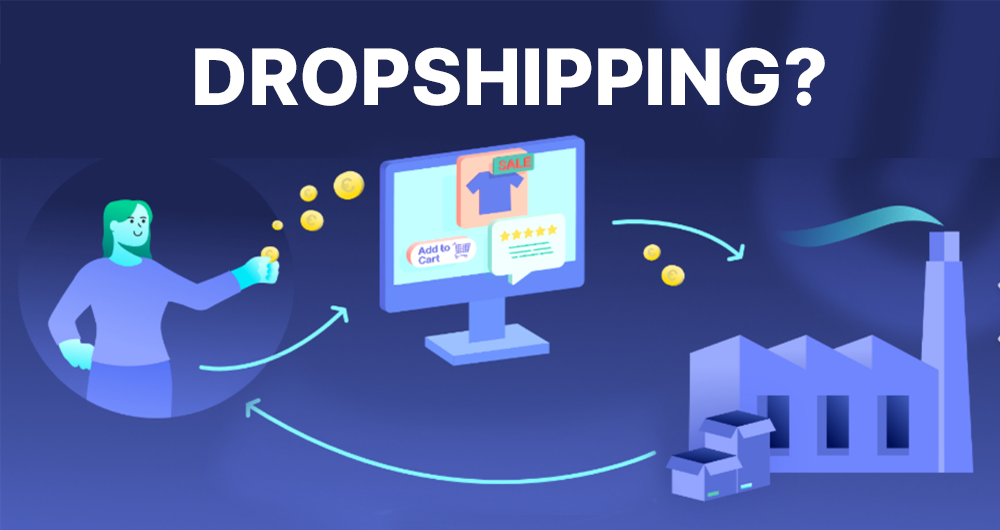
what is dropshipping

Dropshipping is a business model where you don’t hold any inventory. As a seller, you list products in your store, and when a customer places an order, the supplier ships the product directly to them. For those looking to start selling with minimal costs and lower risks, dropshipping is a great choice. You don’t need a warehouse or worry about logistics. You only pay after a sale is made. However, dropshipping requires careful management of suppliers and effective marketing to bring traffic to your store.

What is Amazon FBA?
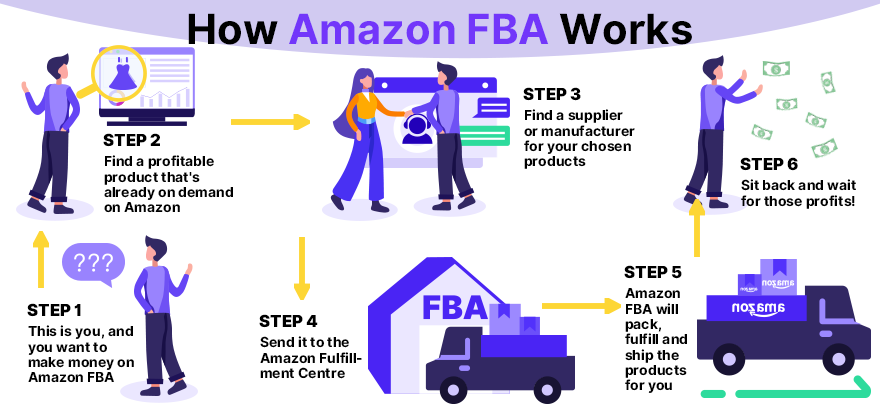
How Amazon FBA works

Amazon FBA (Fulfillment by Amazon) is a service that allows you to send your products to Amazon’s warehouse, and they handle storage, packing, and shipping when an order is placed. You won’t need to manage packaging or logistics, as Amazon will also take care of returns and customer service.  Commonly, you can say it is an automated dropshipping Amazon service.

FBA is ideal for sellers who want to leverage Amazon’s vast customer base and logistics network. Products become eligible for Amazon Prime shipping (Amazon Dropshipping), attracting more buyers. However, FBA requires upfront inventory investment and fees for storage, shipping, and fulfillment.

Dropshipping vs. Amazon FBA: Key Differences
dropsure vs. amazon fba

To make it easier for you to understand, We’ve prepared a comparison table that highlights the key differences and similarities between Dropshipping and Amazon FBA.

Here’s a table you can learn about Amazon FBA vs Dropshipping. We hope this will help you decide which option is better suited for your business.

Feature Amazon FBA Dropshipping
Upfront Investment ❌ High startup cost, inventory needed ✔ No upfront investment, pay as you go
Inventory Management ❌ Requires pre-purchased inventory ✔ No inventory needed, ship as you sell
Order Fulfillment ✔ Amazon handles fulfillment ❌ Manual handling, but can use automation
Advertising ✔ Built-in Amazon advertising ✔ Flexible, use any platform (e.g., Meta ads)
Profit Margins ✔ Discounts for bulk orders, but high fees ❌ Higher product costs but no fees
Customer Contact ❌ No direct contact with customers ✔ Full control over customer interaction
Customer Base ✔ Access to Amazon’s customer base ❌ Need to find your own customers
Control ❌ Limited control, Amazon handles everything ✔ Full control over your business
Scalability ❌ High costs to scale, limited flexibility ✔ Easy to scale, especially for new businesses
Risk ❌ High risk with inventory investment ✔ Low risk, no inventory holding

While both Dropshipping and Amazon FBA are effective ways to sell products online, they each have their own unique advantages and challenges.

Choosing between Dropshipping and Amazon FBA depends on your business goals. If you’re just starting out and want low-cost, low-risk options, Dropshipping is a flexible choice. It offers no upfront investment and more freedom to scale. If you have the budget and want to leverage Amazon’s strong infrastructure, Amazon FBA might be the better option. Both methods provide great opportunities for building a successful eCommerce business—so choose the one that best fits your needs.

If you prefer automation and don’t want to handle inventory, Dropsure could be your best choice. (Want to learn more about Dropsure’s platform and features? Please read What is Dropsure for more details.) It combines the flexibility of dropshipping with the automation benefits of FBA, offering a low-risk, no-inventory solution.

 

DropSure is Your Best Partner
22 Years Experience
Affiliate Rebates
100% Quality Guarantee
Top-Up Rewards
10+ Global Warehouses
Custom Branding Support
Smart inventory System
24/7 Customer Support
Get a Quote in 24 Hours
Start Sourcing for Free

Keep Learning

In recent years, e-commerce has steadily risen to a prominent position in the global economy. Especially during the COVID-19 pandemic, online shopping became the preferred choice for most people, turning e-commerce from an optional channel into an almost unavoidable part of doing business. However, once you dive in, you quickly realize the challenges: heavy inventory pressure, complex logistics management, and soaring costs often leave you overwhelmed. That’s when dropshipping becomes an extremely attractive option. With dropshipping, you don’t need to build your own warehouse or handle packing and shipping yourself. You can focus your energy on marketing and sales, while inventory management and logistics are all handled by your suppliers. This model not only saves you upfront investment but also gives you the flexibility to test products and market responses more easily. Depending on your resources and goals, dropshipping actually comes in several types — traditional dropshipping, collaborative dropshipping, and even reverse dropshipping. Each model fits different scenarios and operational styles, with their own pros and cons. There’s no absolute “best,” only what works best for you. Next, we’ll break down these main dropshipping models one by one, revealing the logic, advantages, and potential pitfalls behind each. This will help you choose, plan, and implement your e-commerce strategy more wisely. Traditional Dropshipping If you’re new to e-commerce, the traditional single-item dropshipping model (which is the most common form of dropshipping) is undoubtedly the easiest way to get started. This model has been around for many years and countless e-commerce sellers have built their businesses on it. Its operation is very straightforward:You find suppliers willing to offer dropshipping services and list their products in your store. When a customer places an […]

Finding best selling products is crucial for the success of your dropshipping business, especially when you need to quickly capitalize on trends. Here are 10 effective methods to help you discover potential top-sellers: 1. Research Your Competitors Check out competitors’ websites, social media profiles, and product pages on platforms like Amazon or eBay. Tools like SimilarWeb and SpyFu can help you understand where your competitors’ traffic comes from and what products are performing well. 2. Leverage AliExpress AliExpressis one of the most popular dropshipping platforms, and it features a “Hot Products” section that showcases trending products. Pay attention to order volume, reviews, and ratings to gauge the popularity of products. 3. Monitor Social Media Trends Keep an eye on Instagram, TikTok, and Facebook to see what products users are talking about or tagging in posts. Viral content, especially on TikTok’s ” TikTok Made Me Buy It “section, can highlight trending products that might be worth selling. 4. Google Trends Analysis Use Google Trends to analyze the search volume and trends for specific products. This tool lets you track the popularity of keywords over time and can help you identify products with increasing demand. 5. Utilize Tools like NicheSpy & SaleHoo Tools like NicheSpy and SaleHoo provide databases of trending dropshipping products. You can use these to filter for top-selling products in your niche and get detailed analytics about market demand. 6. Check eBay and Amazon Best Seller Lists Browse the Amazon Best Sellerand eBay Top Rated lists to discover products that are currently in high demand. These lists often highlight products that are popular among buyers and reflect current market trends. 7. Explore Reddit and Quora Discussions Platforms like Redditand Quora offer valuable insights into what […]

Are you diving into the world of dropshipping but feeling unsure about what products to sell? With so many options out there, it’s easy to get overwhelmed. And you might have easily asked… “Should I go for trendy items like tech gadgets, or stick to everyday essentials like kitchen tools?”Maybe you’ve seen success stories of people selling pet accessories or fitness gear, and you’re wondering if those are the right picks. The truth is, choosing the right dropship products can make or break your business. But don’t worry—getting it right isn’t as complicated as it seems. In this guide, we’ll walk through a few simple but effective tips to help you find winning products that not only catch the eye but also fit your business goals. Ready to discover the best dropshipping products for your store? Let’s dive in! Before we go deeper, let’s clear out one thing… What Is Dropshipping Wining Products? We can explore the following aspects to identify winning dropshipping products. 1.Cost To launch a successful product, keep it affordable and accessible. When you’re just getting started, you don’t want to spend a lot of money. Consider smaller goods such as gadgets, cute accessories, or everyday household essentials—they are not only inexpensive, but also easy to transport and do not require any elaborate packing. Keeping things simple might also help keep shipping expenses under control! 2.Profit It’s not enough to only save money; you need also create a good profit. The idea is to identify things that are inexpensive to source but can be sold for a higher price. Trendy items or trendy home decor are ideal examples—things that appear valuable yet are inexpensive to purchase.That way, […]