

















< Blogs

Best Dropshipping Suppliers You Should Know!

Vivan Z.
Created on October 23, 2024 – Last updated on February 6, 20255 min read
Written by: Vivan Z.

You’ve likely heard of Dropshipping and Amazon FBA. Both are popular e-commerce models with their own pros and cons. But did you know Dropsure combines the strengths of both while fixing their common problems? In this article, we’ll dive into Dropsure and show how it offers a more flexible and efficient solution for sellers.

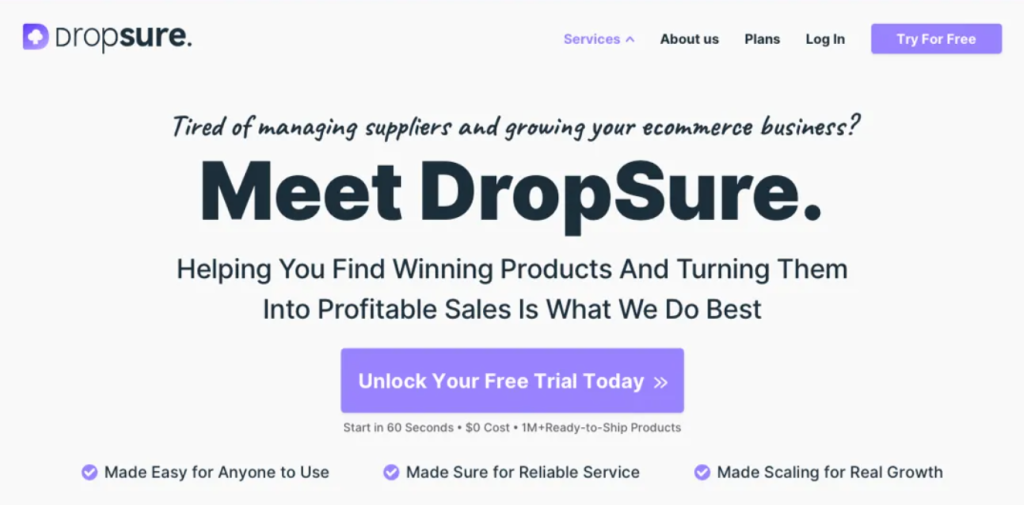
What is DropSure?

Dropsure isn’t just a basic logistics platform. It provides full support for e-commerce sellers, allowing you to scale your business without upfront inventory costs. You can easily manage your product supply chain, ship orders from 10 global warehouses, and offer fast delivery to customers. Essentially, Dropsure brings together the benefits of Amazon FBA and traditional dropshipping, while removing many of the challenges.
what is dropsure?

How does DropSure work?

Using Dropsure is simple, especially if you want to manage your brand while keeping logistics costs down. No need for pre-purchased inventory, so you won’t worry about unsold stock or high storage fees. With Dropsure, orders are quickly shipped from warehouses to customers worldwide.

You also get custom branding options, so you can add your logo to packaging, boosting brand recognition. Our smart stocking solutions help you avoid common supply chain risks, ensuring products are shipped on time when customers need them.
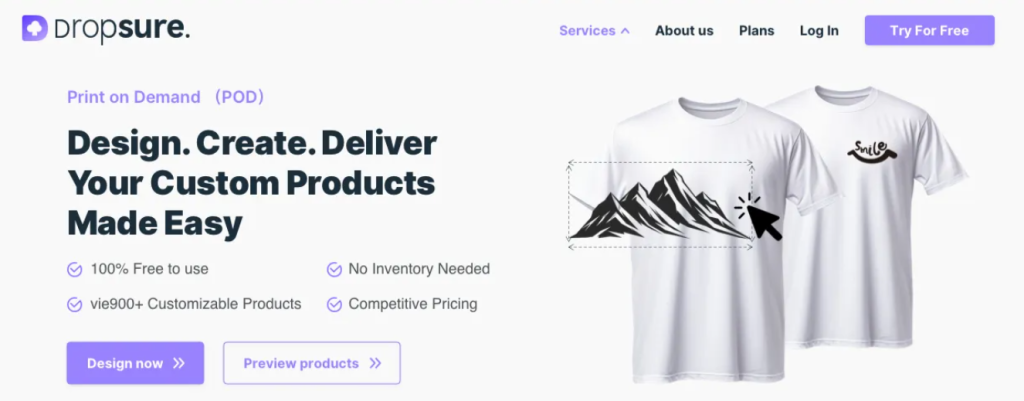
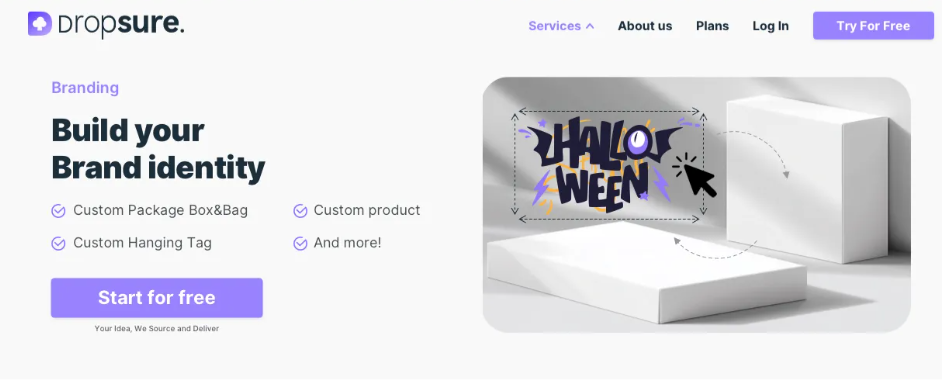
how does dropsure work?
how does dropsure work -2

To help you better understand, check out the comparison chart below, which highlights the key differences between Dropsure, Amazon FBA, and traditional dropshipping.

Feature Amazon FBA Dropshipping DropSure
Upfront Investment ❌ High startup cost, inventory needed ✔ No upfront investment, pay as you go ✔ No upfront cost, inventory managed by suppliers
Inventory Management ❌ Requires pre-purchased inventory ✔ No inventory needed, ship as you sell ✔ Suppliers handle inventory, ensuring fast delivery
Order Fulfillment ✔ Amazon handles fulfillment ❌ Manual handling, but can use automation ✔ Efficient fulfillment, suppliers handle shipping
Advertising ✔ Built-in Amazon advertising ✔ Flexible, use any platform (e.g., Meta ads) ✔ Multi-channel marketing, customizable ad solutions
Profit Margins ✔ Discounts for bulk orders, but high fees ❌ Higher product costs but no fees ✔ Optimized pricing, lower overall costs
Customer Contact ❌ No direct contact with customers ✔ Full control over customer interaction ✔ Direct customer engagement and brand loyalty
Customer Base ✔ Access to Amazon’s customer base ❌ Need to find your own customers ✔ Integrated customer database, helps grow your base
Control ❌ Limited control, Amazon handles everything ✔ Full control over your business ✔ Full control with added support for scaling
Scalability ❌ High costs to scale, limited flexibility ✔ Easy to scale, especially for new businesses ✔ Seamless scaling with global warehouse network
Risk ❌ High risk with inventory investment ✔ Low risk, no inventory holding ✔ Low risk, no upfront inventory costs, flexible supply

By reviewing this, you’ll see how Dropsure combines the best of both worlds—offering lower costs, flexibility, and control, all while helping you expand your business.

Is DropSure Legit?

A common question is whether Dropsure is trustworthy. The answer is yes. We understand the struggles sellers face with supply chain management. Dropsure ensures your products meet customer expectations through strict quality checks and reliable suppliers. You can focus on growing your business without worrying about shipping issues or inventory.

Is DropSure Really Free to Use?

Yes, Dropsure is completely free. Unlike other platforms that charge monthly fees or startup costs, Dropsure offers its services at zero cost. This makes it perfect for new sellers who want to start or scale with minimal risk. You can use more of your budget for marketing and building your brand.

DropSure Shipping Service

Dropsure has 10 global warehouses, strategically located in China, the US, UK, Germany, Australia, and Brazil. This network ensures quick shipping times. In most cases, products arrive in 2-3 business days within those regions. Even in distant areas, delivery takes less than two weeks. Our efficient logistics not only improve customer satisfaction but also reduce shipping errors and delays.

DropSure Compensation Policy

If an order is delayed or lost, Dropsure offers compensation based on the order value. This gives you peace of mind, knowing your interests are protected. You can confidently focus on growing your business while Dropsure handles the logistics.

Whether you’re just starting or an established e-commerce seller, Dropsure provides a low-cost, high-efficiency solution. Amazon FBA might give access to a huge customer base, but its high fees and strict rules limit flexibility. Dropsure combines the flexibility of dropshipping with the brand-building potential of FBA, without the complications.

If you’re looking for a platform that helps you grow your brand while keeping costs low and logistics smooth, Dropsure is your best choice.

Ready to grow your business with Dropsure?

Sign up now and see how our platform can simplify your supply chain and boost your profits!
 

DropSure is Your Best Partner
22 Years Experience
Affiliate Rebates
100% Quality Guarantee
Top-Up Rewards
10+ Global Warehouses
Custom Branding Support
Smart inventory System
24/7 Customer Support
Get a Quote in 24 Hours
Start Sourcing for Free

Keep Learning

Curious about the cost of starting a dropshipping business in 2024? You might be surprised! Whether you’re keeping things budget-friendly or looking to scale quickly, this guide breaks down the key expenses you’ll need to plan for. From hidden supplier charges to the best marketing tactics, you’ll find out how to boost your profits while keeping costs down. Want to know how much (or how little) you might spend getting started? Dive in to learn more Start-up Basic Expense As you embark on your eCommerce journey, some expenses are unavoidable, whether you’re launching a dropshipping store or any other type of online business. Let’s explore some of the most common startup costs. Business registration and licence filling fees eCommerce platform and marketplace fees Domain and hosting costs Marketing costs Product sourcing costs ● Business registration and license filing fees “You might wonder: I just want to start a dropshipping side hustle—do I really need to register a business? While it’s not always mandatory, registering your business offers several benefits and protections. When creating a dropshipping business, business registration and license filing fees are an essential start-up expense. Depending on your location and business structure, these fees can vary. Typically, registering a business name and obtaining necessary licenses can range from $50 to $500. For online businesses, you might also need to apply for specific permits or licenses related to e-commerce, depending on local regulations. It’s important to research the requirements in your area to ensure compliance and avoid legal issues down the road. Tips: Choose the business license that matches your needs—like a Seller’s Permit for selling products or a DBA for using a different business name. Check local regulations or […]

For many years, dropshipping from China has been a popular business model, but 2025 is set to bring major changes that could shake up the entire industry. Starting February 4, 2025, an additional 10% tariff will be imposed on top of the current duties and taxes for all goods imported from China. More importantly, the duty-free entry threshold under Section 321—previously allowing shipments valued at less than $800 to bypass tariffs—has been eliminated. In North America, companies such as Temu, have fully taken advantage of this loophole. Once these tariffs are in place, sourcing products from China will become more expensive, shipping times will increase, and additional customs processing will be required. Businesses will also need to consider other expenses, such as compliance fees and documentation fees, which could further impact profit margins. Additionally, every shipment will be subject to duty assessments, which will increase costs and could lead to delays. Let’s break it down into simple terms so you know exactly what is happening and how to prepare. Tariffs Reshape Dropshipping Market Today, I want to discuss in detail the domino effect brought about by the cancellation of the $800 duty-free policy. At first glance, this change might seem like just paying a little more tax, but in reality, it will affect every aspect of the business like a series of dominoes. Let’s look at the three most critical changes: First: The long-standing $800 duty-free policy has been officially canceled, marking the end of the low-cost era of cross-border e-commerce. Previously, Chinese direct shipping packages valued under $800 could enjoy duty-free treatment—a lifeline for many small and medium-sized sellers. Now, regardless of the package’s value—even if it is just […]

Choosing the right fulfillment partner is crucial for your e-commerce success. A great partner streamlines operations, enhances customer satisfaction, and supports business growth. Here’s a quick guide to help you find the perfect match. Why It’s Important A fulfillment partner manages logistics like warehousing, shipping, and inventory management. Choosing the wrong partner can lead to delays and lost customers, while the right one drives efficiency, reduces costs, and enhances your customer experience. 1. Understand the Types of Logistics Service Providers 1PL: Direct logistics management between manufacturer and customer, ideal for smaller businesses. 2PL: Asset-based carriers (e.g., shipping companies) handling transportation. 3PL: Outsources parts of the supply chain, offering warehousing, distribution, and services like inventory management. 4PL: Manages the entire supply chain with strategic and IT support for comprehensive logistics. What to Look for in a Fulfillment Partner   Services and Capabilities Look for partners that offer value-added services like kitting, assembly, and custom branding (e.g., packaging and marketing inserts).     Communication Frequent and transparent communication is crucial. Ensure your partner provides regular updates on inventory and order statuses to keep things running smoothly.   Scalability and Flexibility Your fulfillment partner must adapt to demand fluctuations, especially during peak seasons, without sacrificing service quality.     Technology Integration Ensure your partner’s systems (WMS, OMS) integrate seamlessly with your platform, enabling smooth operations and real-time data sharing.     References Ask for case studies or references to evaluate the partner’s reliability and effectiveness.   The Payoff: Unpacking the Benefits of the Perfect Fulfillment Match Cost Efficiency An ideal partner optimizes shipping costs, reduces transit times, and helps you cut shipping expenses while improving delivery times. This gives you a competitive edge.   […]