

















< Blogs

Customer Success Story: How One Seller Scaled from 0 to 500 Orders a Week with Dropsure

Vivan Z.
Created on November 7, 2025 – Last updated on November 7, 20253 min read
Written by: Vivan Z.

Customer Success Story: How One Seller Scaled from 0 to 500 Orders a Week with Dropsure

“I felt like I was constantly apologizing to customers,”
Emma recalls. “Not because our products were bad, but because fulfillment kept failing us.”

Background

Emma is a Shopify seller from the UK who started her online business selling home and lifestyle products in early 2024. Like many new dropshippers, she was excited about the potential — but quickly discovered how tough it could be to maintain stable fulfillment, manage inventory, and keep customers happy.


“I had great products and a clean website, but my logistics were a mess. Delays, missing packages, and no tracking visibility — I was losing customers fast.”

Challenges

Before joining DropSure, Emma faced three main problems:


  1. Unstable fulfillment— Her previous suppliers often ran out of stock or shipped late.
  2. Manual operations — She had to manage orders and inventory across multiple spreadsheets.
  3. Customer complaints — Tracking information was inconsistent, leading to refund requests and poor reviews.


These issues limited her ability to grow — even her best-selling products couldn’t scale without reliable fulfillment support.

DropSure’s Solution

After connecting her Shopify store to DropSure, Emma immediately noticed a smoother workflow:


Automated Order Sync
Every order from her store synced directly to DropSure, eliminating manual errors and saving hours of daily work.


Smart Inventory & Fulfillment System
Real-time stock updates and automatic routing to the nearest warehouse improved fulfillment speed by 40%.


Transparent Tracking & Communication
Customers could now receive accurate tracking updates, reducing “Where’s my order?” messages by 70%.


“DropSure basically became my backend team. I could focus on marketing and content while they handled the operations seamlessly.”

The Results

Within three months of using DropSure:


Emma’s average weekly orders increased from 50 to 500+.


Her customer satisfaction rate rose to 98%.


Shipping costs decreased by 22% due to optimized routing.


She expanded to three new markets (France, Germany, and the US) without hiring extra staff.


What’s Next

With the help of DropSure’s date-driven product recommendations, Emma now plans to expand her catalog into seasonal best-sellers and explore influencer collaborations — fully backed by DropSure’s logistics and marketing support.

“DropSure isn’t just a fulfillment platform — it’s a growth partner. I couldn’t have scaled this fast without them.”

Key Takeaway

Efficient fulfillment isn’t just about shipping — it’s about scalability, automation, and customer trust.
Whether you’re just starting out or ready to scale globally, DropSure helps you run your business smarter, faster, and with confidence.

Start your success story today — connect your store with DropSure.
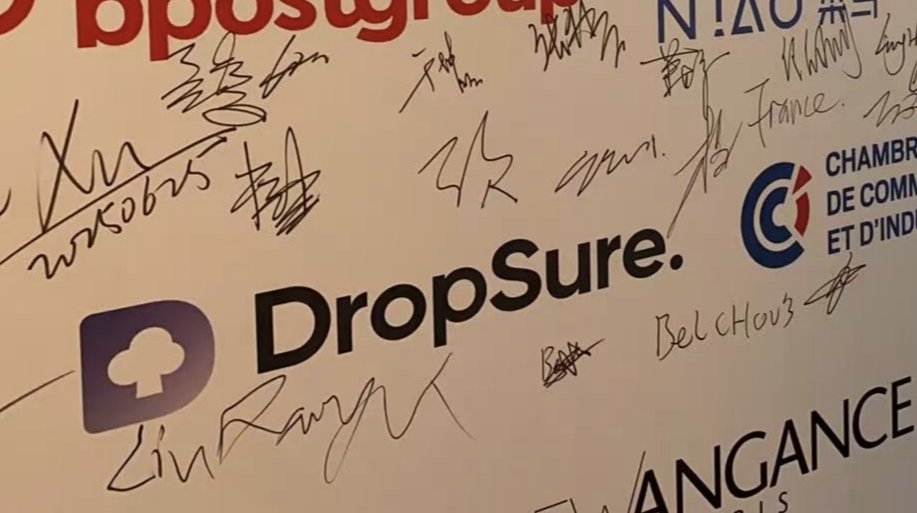
exhibition

DropSure is Your Best Partner
22 Years Experience
Affiliate Rebates
100% Quality Guarantee
Top-Up Rewards
10+ Global Warehouses
Custom Branding Support
Smart inventory System
24/7 Customer Support
Get a Quote in 24 Hours
Start Sourcing for Free

Keep Learning

As the secondhand fashion economy thrives, Poshmark, one of North America’s largest resale platforms, has attracted millions of users. However, newcomers often prioritize two critical questions: Is Poshmark legal? Are transactions secure here? This article will delve into the platform’s operational mechanisms and provide an essential guide for buyers and sellers before engaging in transactions. Is Poshmark legal Poshmark was founded in 2011 and is headquartered in California, USA. It is a compliant enterprise regulated by law. Its business model is similar to eBay or Etsy, earning profits by connecting buyers and sellers and charging commissions. The platform supports transactions for fashion items such as clothing, shoes, bags, and accessories, and even allows the resale of luxury goods. As of 2025, Poshmark has over 80 million users and was acquired by the Korean internet giant Naver, which further strengthens its financial and operational stability. From a legal perspective, Poshmark requires users to comply with intellectual property laws and prohibits the sale of counterfeit or prohibited items. If a user violates the rules, the platform may freeze the account or hand the case over to judicial authorities. Therefore, as long as users follow the platform’s rules, the transactions themselves are entirely legal. However, legality and safety are not entirely equivalent—personal operational risks in the buying and selling process still need to be guarded against. How to Avoid Pitfalls in the Shopping Process As a buyer, how can you avoid pitfalls in the shopping process? First, be alert to the risks of counterfeit goods and overly embellished product descriptions. Although the Poshmark platform allows individual sellers to upload various products, its authentication service for luxury goods only applies to items with a unit […]

Hey there! Have you ever noticed that sometimes you post great content on Instagram, but it doesn’t get the engagement you were hoping for? Could it be that the timing was just off? That’s right! Timing is an important factor when it comes to Instagram success—it’s not just a coincidence. The right time to post can seriously boost your visibility and engagement, helping your post stand out in the crowded feed. So today, let’s talk about how to choose the best time to share your content and make sure you get those likes and comments! Understanding Instagram’s Algorithm Before we dive into the best times to post, it’s important to understand how Instagram’s algorithm works. Instagram doesn’t just show posts to everyone who follows you. Instead, it uses a combination of factors like content relevance, engagement, and post timing to decide who sees your post. The more likes, comments, and shares you get early on, the more likely Instagram is to push your post out to a larger audience. Timing matters because if you post when your followers are active, there’s a higher chance your content will get immediate engagement, which helps Instagram rank it higher in their feed. The more interaction your post gets, the better its visibility. Best Days and Times to Post on Instagram The best time and worst time to post on Instagram depends on your audience, but research from social media platforms like Sprout Social and Hootsuite offers these general insights: Sourced: Sprout Social Best Times: • Monday to Friday, 9 AM to 11 AM – Many people check Instagram during their morning breaks. • Late Afternoon, 5 PM to 7 PM – Engagement spikes […]

By the time a product is labeled “hot,” margins are already shrinking. Ad costs are rising. And differentiation becomes increasingly difficult. Sellers who survive long term don’t chase trends—they anticipate shifts. As we move toward 2026, consumer behavior is evolving in quiet but powerful ways: Convenience is replacing novelty Function is outperforming hype Personalization is beating mass-market sameness This article outlines the Top 10 Blue Ocean Dropshipping Product Categories for 2026—not based on guesswork, but on structural demand changes that most sellers haven’t fully recognized yet. These are not viral products.They are strategic products. What Makes a Blue Ocean Product in 2026? Before diving into the list, it’s important to redefine what “blue ocean” means in today’s environment. In 2026, a true blue ocean product typically has: Growing demand driven by lifestyle or demographic change Weak category leadership (no dominant global brand) Poor existing education or messaging Low emotional fatigue among consumers Compatibility with content-driven selling Most importantly, blue ocean products are under-communicated, not undiscovered. 1. Home Micro-Improvement Products (Non-Renovation) Why This Becomes a Blue Ocean in 2026 Homeownership costs are rising, and renters are staying renters longer. People still want better living spaces—but without permanent renovations. This creates strong demand for small, non-invasive home improvement solutions. Product Examples Removable acoustic panels Temporary insulation and draft blockers Modular wall systems (non-drill) Light-control and privacy upgrades Why Competition Is Still Low Most home improvement brands focus on: Large renovations Contractors and professionals Dropshipping sellers often ignore this space because it doesn’t look “exciting”—yet demand is stable and growing. Why It Works for Dropshipping Clear problem-solution storytelling Strong before/after visuals High perceived value without technical installation 2. Personal Organization Systems for Neurodivergent […]