
















< Blogs

How to Choose a Fulfillment Partner for Your E-Commerce Business

Vivan Z.
Created on October 31, 2025 – Last updated on October 31, 20253 min read
Written by: Vivan Z.

How to Choose a Fulfillment Partner for Your E-Commerce Business

Choosing the right fulfillment partner is crucial for your e-commerce success. A great partner streamlines operations, enhances customer satisfaction, and supports business growth. Here’s a quick guide to help you find the perfect match.

Why It’s Important
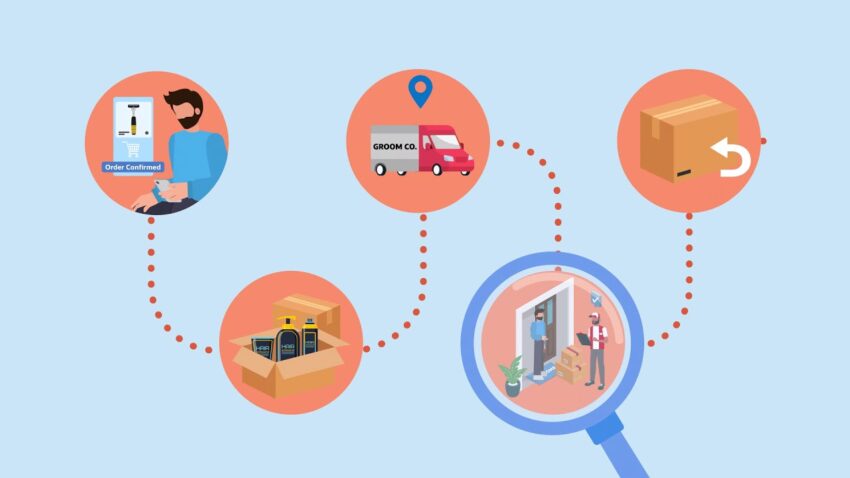
A fulfillment partner manages logistics like warehousing, shipping, and inventory management. Choosing the wrong partner can lead to delays and lost customers, while the right one drives efficiency, reduces costs, and enhances your customer experience.

1. Understand the Types of Logistics Service Providers

  • 1PL: Direct logistics management between manufacturer and customer, ideal for smaller businesses.
  • 2PL: Asset-based carriers (e.g., shipping companies) handling transportation.
  • 3PL: Outsources parts of the supply chain, offering warehousing, distribution, and services like inventory management.
  • 4PL: Manages the entire supply chain with strategic and IT support for comprehensive logistics.
  1. What to Look for in a Fulfillment Partner


  • Services and Capabilities
    Look for partners that offer value-added services like kitting, assembly, and custom branding (e.g., packaging and marketing inserts).


  • Communication
    Frequent and transparent communication is crucial. Ensure your partner provides regular updates on inventory and order statuses to keep things running smoothly.

 

  • Scalability and Flexibility
    Your fulfillment partner must adapt to demand fluctuations, especially during peak seasons, without sacrificing service quality.


  • Technology Integration
    Ensure your partner’s systems (WMS, OMS) integrate seamlessly with your platform, enabling smooth operations and real-time data sharing.


  • References
    Ask for case studies or references to evaluate the partner’s reliability and effectiveness.


  1. The Payoff: Unpacking the Benefits of the Perfect Fulfillment Match
  • Cost Efficiency
    An ideal partner optimizes shipping costs, reduces transit times, and helps you cut shipping expenses while improving delivery times. This gives you a competitive edge.


  • Improved Operational Flexibility
    A reliable fulfillment partner can scale your operations as needed, ensuring you meet customer demand without compromising on service.


  • Enhanced Customer Satisfaction
    Timely and consistent deliveries build trust with customers and encourage repeat business.


  1. Access to Advanced Technology

The right fulfillment partner uses advanced technology to streamline operations:


  • Inventory Management Tools: Real-time tracking and accurate inventory management help avoid stockouts and overstocking.


  • Data Analytics: Insights that optimize your supply chain and reduce costs.


  • Automated Operations: Automation speeds up order processing and reduces errors.


  • Recommended Shipping Channels: Your partner can help identify the best shipping options based on cost, speed, and reliability.


  1. Risk Mitigation

An experienced fulfillment partner minimizes risks, including managing regulatory compliance, ensuring your business avoids legal complications.

  1. Market Expansion Opportunities

A partner with global reach helps expand your business internationally. With international logistics capabilities, your fulfillment partner supports your market growth beyond local borders.

Conclusion
Selecting the right fulfillment partner is essential for your business growth. At DropSure, we offer seamless logistics, advanced technology, and global reach to help your e-commerce business thrive. Ready to scale? Partner with DropSure today.
 

DropSure is Your Best Partner
22 Years Experience
Affiliate Rebates
100% Quality Guarantee
Top-Up Rewards
10+ Global Warehouses
Custom Branding Support
Smart inventory System
24/7 Customer Support
Get a Quote in 24 Hours
Start Sourcing for Free

Keep Learning

In this day and age of advertising, have you ever wondered about a strategy to grow your sales without spending money on advertising? The answer may lie in Organic Dropship. This marketing approach, which is centered on long-term trust and value output, is being seen by more and more entrepreneurs as a “secret weapon” for sustainable growth. Let’s explore how time and creativity can replace advertising budgets and drive longer-lasting market returns. Why is Organic Dropship “anti-anxiety marketing”? The core logic of Organic Dropship is to use value instead of advertising. Unlike traditional advertising that relies on “money for traffic”, Organic Dropship naturally attracts customers by continuously outputting content that is truly useful to users. 2023 HubSpot study shows that 61% of consumers trust bloggers’ recommendations more than brand advertisements, which is precisely the underlying advantage of Organic Dropship. -Replacing the hard sell with knowledge empowerment. For entrepreneurs just starting out, this model effectively avoids two major pitfalls: ● The black hole of advertising bidding: Google Ads single click cost has exceeded $4.11, small businesses often become the platform algorithm “fuel”. ●  The bursting of the traffic bubble: paid traffic stops when it stops, while quality content continues to bring in natural search traffic. 5 cost-effective customer acquisition combinations Content Leverage: Turning Expertise into a Traffic Magnet Content is the best traffic lever. If you can use content to solve users’ practical problems, customers will naturally come to you. Sarah, a California organic farmer, shares her planting process on TikTok, and each short video on “how to recognize real organic food” can bring more than 200 precise inquiries. Her secret is to turn industry knowledge into solutions to user pain […]

If you’re into dropshipping, you know how tedious the operations can get — handling orders, tracking inventory, adjusting prices… But here’s the good news: you can totally hand off these headaches to professional tools. Use the right tools, and you’ll save tons of time to focus on what really drives profits — like closing deals and expanding into new markets. This guide is made just for you. We’ve picked seven top-notch dropshipping tools that automate the complicated stuff, making your work more efficient and your life easier. Keep reading to find out what these tools can do and how to get the most out of them. What is Dropshipping Automation? In the dropshipping business, tasks like order fulfillment, inventory management, price adjustments, and product research are daily essentials—and there’s no room for mistakes. Handling them manually is not only tedious but also error-prone and inefficient. Automation means using tools to take care of these repetitive yet critical steps, so you don’t have to do everything yourself. For example, with the right automation tools, you can import products from suppliers to your store with just one click. When a customer places an order, the system automatically sends the order details to your supplier for processing—no manual work needed. If your supplier changes their prices, your store can automatically adjust the prices to avoid losses or shrinking profit margins. Smarter sellers even use chatbots to handle common customer inquiries, so they can focus their energy on more complex tasks that truly require human decision-making. Why Should You Use Dropshipping Automation Software?  The biggest advantage of using dropshipping automation tools is simple: less stress, more time, and higher profits. Here’s how they help you: ● […]

Curious about the cost of starting a dropshipping business in 2024? You might be surprised! Whether you’re keeping things budget-friendly or looking to scale quickly, this guide breaks down the key expenses you’ll need to plan for. From hidden supplier charges to the best marketing tactics, you’ll find out how to boost your profits while keeping costs down. Want to know how much (or how little) you might spend getting started? Dive in to learn more Start-up Basic Expense As you embark on your eCommerce journey, some expenses are unavoidable, whether you’re launching a dropshipping store or any other type of online business. Let’s explore some of the most common startup costs. Business registration and licence filling fees eCommerce platform and marketplace fees Domain and hosting costs Marketing costs Product sourcing costs ● Business registration and license filing fees “You might wonder: I just want to start a dropshipping side hustle—do I really need to register a business? While it’s not always mandatory, registering your business offers several benefits and protections. When creating a dropshipping business, business registration and license filing fees are an essential start-up expense. Depending on your location and business structure, these fees can vary. Typically, registering a business name and obtaining necessary licenses can range from $50 to $500. For online businesses, you might also need to apply for specific permits or licenses related to e-commerce, depending on local regulations. It’s important to research the requirements in your area to ensure compliance and avoid legal issues down the road. Tips: Choose the business license that matches your needs—like a Seller’s Permit for selling products or a DBA for using a different business name. Check local regulations or […]