
















 En
En
 10 min read
Dropshipping in cross-border e-commerce may appear to be an ideal business model: no inventory, low startup costs, and easy profits. However, the reality is more complex—this field is fraught with various scams, from fake suppliers to fabricated reviews, where a slight misstep can result in the loss of funds, time, and customer trust.
This article dissects seven common dropshipping scams and offers practical strategies to help you operate safely.
Fake Suppliers and Middlemen Traps

Some shady characters might pose as suppliers, claiming they have abundant stock to lure you into placing orders. In reality, they’re merely middlemen who mark up prices before passing your order to the actual supplier. This practice can cause runaway costs, delayed deliveries, and even harm your store’s reputation due to product quality issues.
How to Spot These Traps
Abnormal Pricing: If the price quoted is noticeably higher or lower than market rates, it’s a red flag.
Refusal to Provide Proof: If they’re unwilling to show any proof of inventory or contracts with manufacturers, you should be extra cautious.
Unverifiable Contact Information: If they lack a physical address or provide contact details that can’t be verified, that’s another warning sign.
How to Protect Yourself
1.Do Your Homework: Check industry forums and third-party platforms (like Spocket) to carefully vet and select certified European or American suppliers.
2.Ask for Proof: Before finalizing any deal, make sure to get documents such as manufacturer authorization letters or partnership contracts.
3.Order Samples: It’s wise to order samples first to test product quality and shipping times, helping you avoid any hassle caused by misleading images or descriptions.
Fake Product Quality Scams
In the realm of cross-border e-commerce, some unscrupulous suppliers mislead sellers by using carefully retouched product images and exaggerated descriptions. However, the actual quality of the shipped products may fall far below expectations, leading to skyrocketing return rates and severely damaging the store’s reputation.
Warning signs of such fraudulent behavior include overly enhanced product images that lack authentic details; vague product descriptions—for instance, using terms like “high-end materials” without specifying the exact composition; and a lack of genuine customer reviews.
To avoid falling into these traps, it is recommended to take the following measures: First, regardless of the order size, personally test samples to ensure that the product quality meets your expectations. Second, check the supplier’s reputation on independent review sites (such as Trustpilot) to gauge their credibility. Finally, prioritize compliant suppliers that provide quality inspection reports (such as Spocket-certified vendors) to ensure product quality and a reliable supply chain.
Hidden Fee Traps 
During collaboration with suppliers, some may suddenly add “handling fees,” “expedited charges,” or inflated shipping fees after the deal is made, eating into the seller’s profits.
The key to identifying such behavior is:
Contract Doesn’t List All Fees: If the contract doesn’t clearly outline all potential fees, the supplier may add extra charges later on.
Shipping Costs Way Above Market Price: For example, charging $30 for international shipping on a T-shirt, which is far higher than the market average.
To avoid such traps, it’s recommended to take the following measures:
1.Written Confirmation of Terms: Ask the supplier for a detailed quote, including shipping and taxes, and ensure all fees are clearly outlined in the contract.
2.Compare Prices: Compare the fee structures of 3-5 similar suppliers to ensure the chosen supplier’s charges are reasonable.
3.Use Platform Protections: Collaborate through platforms like Spocket, which typically offer transparent and traceable fee structures, reducing the risk of hidden costs.
Selling Counterfeit Products
In dropshipping, if a supplier provides counterfeit goods, sellers face enormous risks. Such risks can not only trigger legal actions but also result in permanent bans from the platform. For example, on Amazon, selling counterfeit products can lead to brand complaints, resulting in immediate account suspension or even permanent closure, which stops the seller from operating. This scenario can cause direct financial losses and long-term damage to your reputation and future business prospects.
To effectively identify potential risks, you need to pay close attention to key signals. First, if the prices for luxury or electronic products are more than 50% below market value, that’s a warning sign you shouldn’t ignore. Second, counterfeit products often reveal themselves through poor packaging—rough finishes and the lack of anti-counterfeit labels usually indicate quality and authenticity issues. Finally, if a supplier avoids providing brand authorization documents during discussions, it’s a strong indication they might not be legally allowed to sell genuine products.
To mitigate these risks, take several protective measures. First, rigorously review the supplier’s authorization chain and require proof of brand distribution credentials to ensure the legitimacy of the product source. Second, proactively contact the brand directly to verify whether the supplier is on their authorized distributor list, further confirming the authenticity of the supply chain. Finally, for new sellers just starting out, it’s best to avoid dropshipping high-risk grey market items, such as Apple accessories and well-known luxury beauty products, to reduce the risk of legal disputes and platform penalties due to counterfeit issues.
Fake User Reviews
On e-commerce platforms, some unscrupulous suppliers use fake user reviews to mislead sellers. They create a false reputation for their products with bogus positive reviews, enticing sellers into purchasing low-quality items. However, once these products hit the market, genuine consumers often leave a barrage of negative reviews, causing the store’s ratings to plummet and seriously damaging its overall reputation.
To identify this scam, sellers should pay attention to some subtle signs. Typically, fake reviews tend to be templated—for example, the repeated use of generic phrases like “great value for money,” which hardly reflects the diverse experiences of real users. Additionally, accounts posting these reviews often have no genuine history or may even be newly registered in a short period. Another red flag is when a new product quickly amasses a large number of five-star reviews—say, 500 reviews in a short time—which is clearly inconsistent with normal market behavior.
To counter this issue, sellers can employ professional tools to analyze the authenticity of reviews. Tools like Fakespot and ReviewMeta can perform in-depth analyses of review data, helping to identify potentially fake reviews. Moreover, adopting a small-scale test selling strategy is also an effective safeguard. Sellers can start by listing a limited number of products and closely monitor genuine user feedback, and only consider large-scale procurement once the product quality and market response are confirmed.
By taking these measures, sellers can effectively avoid the procurement risks associated with fake reviews and maintain their store’s long-term reputation, ensuring they stay competitive in a challenging market.
Get-Rich-Quick Scams
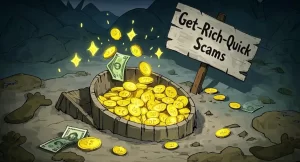
In the e-commerce space, some marketing courses or tools attract new sellers with exaggerated claims, such as “Earn $100,000 in 7 days! Dropship effortlessly with zero experience!” These courses or tools are often sold at high prices, but the information they offer may be outdated and fail to truly help sellers succeed.
To avoid falling into such traps, it’s recommended to follow these guidelines:
Beware of Exaggerated Claims: Stay cautious of any project that promises “guaranteed profits” or “risk-free” returns. In business, every investment comes with risks, and no one can guarantee success.
Avoid High Upfront Fees: Be wary of training programs that require upfront payments exceeding $500. A high price does not necessarily equate to high-quality content; it could merely be a marketing gimmick.
Prioritize Free Resources: When learning about e-commerce, opt for free resources provided by official or reputable sources. For example, Shopify’s official guides cover everything from setting up a store to managing operations, and their content is practical and trustworthy.
By adhering to these principles, sellers can avoid being misled by overpriced, outdated information, ensuring that the knowledge and tools they acquire truly benefit their business development.
Unregulated Payment Channels

In cross-border e-commerce transactions, some suppliers may require payments via bank transfers, cryptocurrencies, or personal PayPal accounts. These methods carry high risks because once the funds are transferred, they are usually unrecoverable. To avoid such risks, sellers should only use trusted payment channels, such as the international version of Alipay or PayPal business accounts, which provide transaction protection and dispute resolution services.
Additionally, sellers should adopt an installment payment method. For the first order, pay a 30% deposit, and settle the remaining balance after the shipment is received and verified. This approach ensures that the final payment is made only once the goods have arrived and meet expectations, thereby effectively reducing risks. By using these secure payment methods, sellers can better protect their funds and minimize potential losses.
Conclude
In summary, during the dropshipping process in cross-border e-commerce, fake suppliers, middleman traps, hidden fees, counterfeit products, fabricated reviews, get-rich-quick scams, and unregulated payment channels can all become stumbling blocks for your business growth.
Facing these risks, it is crucial to stay vigilant, conduct thorough research, and maintain strict control over every step. To help you operate more safely and efficiently, we sincerely recommend using the DropSure platform.
DropSure is committed to providing sellers with rigorously certified supplier information, transparent and traceable fee structures, and secure, reliable payment channels. In addition, it features real-time monitoring and risk alert systems to help you confidently navigate various challenges. Choose DropSure and make your cross-border e-commerce dropshipping journey safer and more successful!