< Blogs

From Zero to Hero: 25 Surefire Strategies to Find the Best Dropshipping Products

Vivan Z.
Created on January 15, 2025 – Last updated on April 3, 202517 min read
Written by: Vivan Z.

Finding Your Niche

What are the best products to dropship?
What is the one most profitible product for dropshipping?
How to find winning products to dropship?

Choosing the right products is the foundation of a thriving dropshipping business. It’s not just about what’s trending—it’s about finding items that resonate with your target audience and offer a competitive edge.

Not sure where to start? Don’t worry—product selection isn’t as hard as it seems. In this article, we’ve compiled 25 easy-to-follow strategies, from data analysis to trend spotting and social media hacks. Whether you’re a newbie or an experienced seller, these tips will help you find the perfect products to sell. And if you want to know how to start dropshipping, you can click What is Dropshipping & How to Start  to learn more.

25 Strategies for Choosing Dropshipping Products

Niche Down with Vertical Selection

Vertical selection means focusing on a specific area of your business. Start with a broad category,and narrow it down. Then you can find trending dropshipping products.

For example, if you’re selling clothing, you could start with the main category, then narrow it down to “women’s clothing” and then maybe “boho dresses.” This helps you find markets with less competition but steady demand.

How do you do this? Platforms like Amazon and eBay are great for this. Have a look at the sales data and customer reviews for similar products. Search for specific keywords and check which items have decent sales but not too much competition. Even better, look for high-rated products with fewer reviews – these could be hidden gems just waiting to be discovered.

Niche Down with Vertical Selection

Finding your niche

When it comes to selecting a niche market, the idea is to find small, specific markets where there’s a lot of demand. Think of things like “plus-size women’s shoes” or “vegan-friendly products.” These markets might not be huge, but they’re full of customers who really need these products.To get started, use Google Trends to check if keywords related to your niche are trending upwards. This’ll give you an idea of whether there’s growing interest. Then, take a look at social media to see what people are saying—what are their struggles or unmet needs?Use this feedback to zero in on a product that solves a specific problem.Finally, think about your own resources and pick something that’s easy for you to manage but hits the sweet spot of demand.

Facebook Product Research

Facebook isn’t just for keeping up with friends—it’s a goldmine for product research. Try searching for “keyword + money off” or “keyword + for free.” These searches will lead you to promotional posts that often feature winning dropshipping products.Once you find a post, check out the comments and engagement (likes, shares, etc.). High interaction often signals a product with strong appeal.Plus, user feedback in the comments can give you valuable insights into what people love—or what they think could be better.

Your next winning product might be hiding in plain sight on Facebook – all it takes is a little digging and a keen eye for trends!

DropSure

Hot-Seller Data from E-commerce Platforms

Amazon and AliExpress are great for finding product ideas. Their “Best Seller” lists are full of info on what’s trending and doing well. They’re a great place to start when you’re looking for new products.

Here’s what you can do:
•  Identify the top-performing categories or products.
•  Have a look at the price range, main selling points and customer reviews.
•  Then you can see what customers love most about them and what they think could be improved.
•  By understanding the factors behind their success, you can refine your product selection and even •  improve on existing ideas. These platforms make it easier to find items with proven demand, helping you focus on what’s more likely to sell.

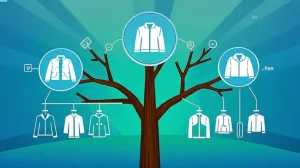
Tree Diagram Thinking for Product Selection

Tree diagram thinking is a structured way to narrow down your options step by step. Start with a broad category, then break it down into smaller, more specific niches. For example:
ClothingJacketsWindproof Jackets.

Once you’ve identified a subcategory, use keyword tools to analyze demand and find gaps in the market. Here are some handy tools to help you:

1.Google Keyword Planner: Check search volume and competition levels to spot trending products.
2.Ahrefs: Offers detailed keyword rankings, traffic data, and suggestions for related keywords.
3.Ubersuggest: Beginner-friendly and generates simple keyword lists for your niche.
4,Keyword Tool: Supports analysis across multiple platforms, including Google, YouTube, and Amazon.
5.Jungle Scout: Perfect for Amazon sellers, offering insights into product demand and competition.

Tree Diagram Thinking for Product Selection

Price Range-Based Product Selection


When selecting products, the price range is critical! For example, you can choose $1–$30 small items, such as phone accessories, pet supplies, and beauty products, which are ideal for impulse purchases. Alternatively, you can opt for $100–$300 mid-range items, such as electronics, furniture, and home appliances, targeting high-value customers.

The key is to ensure your product pricing aligns with your target customers’ spending habits while maintaining a reasonable profit margin. Adjusting your selection based on your budget allows you to attract your ideal audience more effectively and increase conversion rates.


Social Media-Based Product Selection


Instagram and YouTube are fantastic platforms for product selection, especially for spotting trends and potential best-sellers. You can search for product-related keywords, such as “trending gadgets” or “fashion haul”, and filter for posts and videos with high likes and engagement.

By observing these posts, you can understand which products attract user interest and which types are frequently recommended or shared. For example, on Instagram, pay attention to posts tagged with #ad or #sponsored, which are often brand collaborations that reflect current market trends. On YouTube, look for “unboxing” or “best buys” videos to learn about real consumer experiences and feedback.

 

Social Media-Based Product Selection


Related Product Selection


Adding complementary items or accessories to your main product can make the shopping experience better for customers and increase the average order value. For example, if you sell watches, you can also offer watch straps, cases, or cleaning tools. If you sell yoga mats, you can bundle them with yoga straps, blocks, or water bottles.

To better promote related products, you can:

1.Add a “Recommended Bundles” section to the product page.
2.Provide bundle discounts, such as “Buy a watch and get a strap at 10% off.”
3.Add recommendations like “You might also like these products” at checkout.

Related product selection not only boosts sales but also increases customer satisfaction, making your store appear more professional and thoughtful.

 

Related Product Selection

Comment-Driven Product Selection


Browsing reviews on e-commerce platforms, especially negative ones, is an excellent way to uncover customer needs and improve products. For example, on Amazon or AliExpress, check the reviews of best-selling items and look for user complaints. Are they about quality issues? Lack of functionality? Difficulty in use?

By analyzing these pain points, you can either choose improved versions of existing products or develop new ones to meet those needs. For instance, if many customers mention that a storage box is “too small to be practical,” you could offer a larger, more functional alternative.

This approach ensures your products solve real customer problems, making them more appealing and increasing their market potential.


Cross-Platform Product Selection


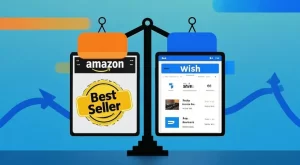
Cross-platform product selection involves comparing best-sellers on different platforms to identify untapped opportunities. For example, you can analyze the best-seller lists on Amazon and Wish, looking for products that are popular on one platform but have not gained traction on the other.

When doing this, pay attention to the characteristics of each platform’s audience. For instance, Amazon users tend to prioritize quality and brand reputation, while Wish users are more price-sensitive and drawn to affordable options.

By tailoring your product pricing and descriptions to align with the preferences of each platform’s audience, you can better attract customers and maximize sales potential.


Choosing products from suppliers


Suppliers are the most important part of choosing products, and if your suppliers are reliable, you will make more sales. Platforms like 1688 and AliExpress are great for finding suppliers you can rely on. When choosing a supplier, focus on these key points:

Product Quality: Check samples or customer reviews to make sure the products are right for your target market.
•  Price competitiveness: Compare quotes from different suppliers and pick one that offers the best value.
•  Supply stability: Check how much stock the supplier has and how quickly they can deliver to avoid running out of stock, which could make customers unhappy.

It’s also wise to prioritize suppliers with long-term experience and good after-sales service. A reliable supply chain makes your product selection more efficient and minimises operational headaches.

 

DropSure Branding 2

Buyer Research-Based Product Selection


Buyer research is a highly effective way to understand customer needs. Create a simple questionnaire that covers topics like:

What product features matter most to them?
What problems have they had with past purchases?
Are there any needs they have that have not been met?

Distribute the survey to potential customers using tools like Google Forms or SurveyMonkey, or post it on social media to gather real feedback.

Then you can look at the results to see what your customers want. This will help you to make better products. This makes your selection more precise and helps you market products more effectively by showing customers you understand their needs.

 

Buyer Research-Based Product Selection

Choosing Products Based on Data from Overseas Warehouses


Data from overseas warehouses can provide highly accurate insights for product selection. By reviewing inventory reports, you can identify products with fast inventory turnover and high demand.
These products often reflect strong popularity in the local market and are worth prioritizing. Using this data helps you align your product offerings with proven trends, increasing the likelihood of success and ensuring better alignment with customer needs.

 

Choosing Products Based on Data from Overseas Warehouses


Industry Trend-Based Product Selection


Staying updated with industry trends is an effective way to spot potential best-sellers.Here’s how you can identify products likely to trend:

• Use Google Trends: Search for relevant keywords and observe changes in search volume. Keywords showing significant growth often indicate upcoming popular products.

• Monitor social media: Platforms like Instagram, TikTok, and Twitter are great for tracking trending topics and hashtags. Look for products sparking widespread discussions or engagement.
• Follow Industry News and Blogs: Stay updated with reports and analyses of new technologies, concepts, or products that are starting to gain traction in the market.

By using these tools, you can keep up to date with new trends and make the most of them to do better than your competitors.


Choosing products based on their features


Choosing small, lightweight items that are easy to handle can reduce shipping costs and improve delivery efficiency. For example, small, strong products are more attractive to customers and reduce the chance of them being returned.

This approach is particularly good for small sellers with limited budgets, as it helps control overall operating costs while ensuring smoother logistics.


Demand Analysis-Based Selection


Finding out what people want to buy is a great way to find new business opportunities. For example, people who are very interested in fishing or model building might need special tools or accessories.

You can find out what these needs are by using social media, forums, or surveys. Niche markets often have less competition but higher customer loyalty, making them a good place to explore.
 

DropSure


Store Data-Based Selection


The best way to choose the right products is to look at the sales data from your store. Find out which products are the most popular and look at things like price, selling points and who they are aimed at.

Then you can adjust your stock and advertising. You can also expand related product lines, such as offering accessories or upgraded versions of popular items, to make the most of your store’s strengths.


Google Keyword Planner


Use tools like Google Keyword Planner to find popular keywords that lots of people search for, but not too many websites have. Then, check how well products related to these keywords are selling.

For example, if a keyword shows consistent growth, you can develop new products to meet that demand. This will help you to stay ahead of the market and make sure that your promotions are more targeted and effective.


Learn from Big Brands 


Big brands are often a great source of inspiration for product selection and strategy. Study their product types, pricing methods, and how they meet customer needs—like offering extra features or value-added services.

Once you’ve learned their tactics, adapt them to fit your resources and market position. This approach not only reduces trial-and-error but also helps you gain a competitive edge quickly and effectively.


Learn from Big Brands

Comment-Based Product Selection


Comment sections can tell you a lot about what customers want. Positive reviews highlight the strengths of a product, such as its most-loved features or design elements. But negative reviews show problems, so you can improve your products or create new ones.

For example, if users complain that a storage box is too small, you can provide a larger, more functional alternative to meet their needs. This makes it more likely that your products will be what customers want.

Learning from big brandsThe product selection and strategies of big brands are often worth copying. Study what they sell, how much they sell it for, and how they meet customer needs. For example, they might offer additional features or value-added services.

Once you understand their tactics, adapt them to your own resources and market position. This way, you can cut costs by avoiding mistakes, while getting a competitive advantage quickly.

 

DropSure Warehouse

Bulk Product Testing


Bulk product testing is a low-risk way to see how customers respond to different products. To begin with, you can try listing multiple products and keep an eye on how well they sell. Then, you can use the data to see what your customers like and focus your advertising and marketing on those items.

Also, if you regularly update your product list, it will keep your inventory fresh and your customers interested. This approach helps you deal with market changes.


Finding products from creative foreign websites


Websites like This is why I’m broke and Odditymall are great for finding unique niche products. These sites have attractive, innovative items that could be perfect for selling across borders.


Platform-Specific Product Selection


Different e-commerce platforms attract different types of users with varying shopping habits. For instance:

• Amazon: Best for high-quality, higher-priced items, as customers here prioritize quality and brand trust.
• Wish: Ideal for low-cost, high-value products, appealing to price-sensitive shoppers.

When selecting products, align your strategy with the platform’s audience and top-selling categories. Tailoring your product offerings to fit the preferences of each platform can help you better meet customer needs and significantly boost your conversion rates.
 

Cross-Platform Product Selection


Keyword Trend-Based Product Selection


You can find high-demand trending keywords using keyword tools like Google Keyword Planner or Ahrefs. Then, check how well products associated with these keywords are selling, and filter out items that show consistent growth.

When choosing products, focus on those connected to keywords that lots of people search for and not too many other websites are using. This helps you find products that people really want, and it means you won’t try to sell things that nobody wants to buy.


Interest and Expertise-Based Product Selection


If you’re passionate or knowledgeable about a specific field, like photography, fitness, or crafting, start there. Use your knowledge to create products that are exactly what customers want.

You’ll be able to make better decisions, choose better products, and meet the needs of your customers. This makes your selection more precise and helps you earn the trust and loyalty of your audience.

Choose what you’re good at – it’s often the best way to stand out and succeed!
 

Interest and Expertise-Based Product Selection

Make choosing products easier with DropSure and create your best-seller!


Choosing a product doesn’t have to be complicated. The important thing is to find the right approach for you. Try a few of the methods we’ve shared, see what works best for you, and keep improving your strategy. You’ll soon have your own “product selection playbook”. Remember, building a successful online store takes time, but with the right methods, your next best-seller could be just around the corner!


If you’re struggling, try DropSure. As an all-in-one dropshipping solution, DropSure does more than just connect you with quality suppliers. It also offers brand customisation, order management, fast shipping, and full support to make your business run more smoothly. With a professional team and powerful platform features, DropSure makes selecting products easier and running your business more efficient.

Try DropSure today!

Buttom

DropSure is Your Best Partner
22 Years Experience
Affiliate Rebates
100% Quality Guarantee
Top-Up Rewards
10+ Global Warehouses
Custom Branding Support
Smart inventory System
24/7 Customer Support
Get a Quote in 24 Hours
Start Sourcing for Free

Keep Learning

What is Dropshipping? Dropshipping is an easy e-commerce model. You can open a store and sell products without stocking inventory or managing shipping. Sounds simple, right? This approach frees you from handling inventory or packing shipments. You can focus entirely on sales and marketing instead. How Does Dropshipping Work? The key to dropshipping is your supplier. When a customer places an order, you contact the supplier. The supplier then ships the product directly to the customer. You never handle the product or worry about logistics. Think of yourself as a middleman connecting customers with suppliers. For more details, click What is Dropshipping & How to Start. Why Is  Dropshipping So Popular?  The success of dropshipping lies in finding reliable suppliers or wholesalers. Once you select your products, you can start promoting your store and brand. This model works well for beginners. You don’t need to invest heavily in inventory or deal with the stress of shipping. Focus on selecting the right products and promoting them. In simple terms, dropshipping is like “traveling light” while earning along the way. Is Dropshipping Legal in India?  Yes, dropshipping is completely legal in India. You can start this business without worry. However, you need to follow certain rules to run your business properly. First, register your business. Think of it as creating an “ID card” for your store. You can register as a sole proprietor, form a partnership, or set up a private limited company. If you’re working alone, sole proprietorship is the easiest option. If you’re working with partners, choose a partnership or private limited company based on your needs. Second, register for GST (Goods and Services Tax) if your annual sales exceed […]

Are you considering entering the world of eCommerce but unsure whether to choose Dropshipping or Amazon FBA? These are two of the most popular and successful fulfillment options available. The question is, which one is better suited for your business? In this article, we will break down the key differences between these two methods, comparing their pros and cons to help you make an informed decision. Whether you’re looking for low-risk startup solutions or more automation, this guide will provide valuable insights for growing your online business. What is Dropshipping? Dropshipping is a business model where you don’t hold any inventory. As a seller, you list products in your store, and when a customer places an order, the supplier ships the product directly to them. For those looking to start selling with minimal costs and lower risks, dropshipping is a great choice. You don’t need a warehouse or worry about logistics. You only pay after a sale is made. However, dropshipping requires careful management of suppliers and effective marketing to bring traffic to your store. What is Amazon FBA? Amazon FBA (Fulfillment by Amazon) is a service that allows you to send your products to Amazon’s warehouse, and they handle storage, packing, and shipping when an order is placed. You won’t need to manage packaging or logistics, as Amazon will also take care of returns and customer service.  Commonly, you can say it is an automated dropshipping Amazon service. FBA is ideal for sellers who want to leverage Amazon’s vast customer base and logistics network. Products become eligible for Amazon Prime shipping (Amazon Dropshipping), attracting more buyers. However, FBA requires upfront inventory investment and fees for storage, shipping, and fulfillment. […]

Curious about the cost of starting a dropshipping business in 2024? You might be surprised! Whether you’re keeping things budget-friendly or looking to scale quickly, this guide breaks down the key expenses you’ll need to plan for. From hidden supplier charges to the best marketing tactics, you’ll find out how to boost your profits while keeping costs down. Want to know how much (or how little) you might spend getting started? Dive in to learn more Start-up Basic Expense As you embark on your eCommerce journey, some expenses are unavoidable, whether you’re launching a dropshipping store or any other type of online business. Let’s explore some of the most common startup costs. Business registration and licence filling fees eCommerce platform and marketplace fees Domain and hosting costs Marketing costs Product sourcing costs ● Business registration and license filing fees “You might wonder: I just want to start a dropshipping side hustle—do I really need to register a business? While it’s not always mandatory, registering your business offers several benefits and protections. When creating a dropshipping business, business registration and license filing fees are an essential start-up expense. Depending on your location and business structure, these fees can vary. Typically, registering a business name and obtaining necessary licenses can range from $50 to $500. For online businesses, you might also need to apply for specific permits or licenses related to e-commerce, depending on local regulations. It’s important to research the requirements in your area to ensure compliance and avoid legal issues down the road. Tips: Choose the business license that matches your needs—like a Seller’s Permit for selling products or a DBA for using a different business name. Check local regulations or […]

Recommended for you

Trendy brand necklace mens and womens personalized retro high street ins cross pendant niche high-end sweater accessory
$ 5.65
Brushed long-sleeved shirt mens port fashion mens cardigan casual plaid fashionable mens shirt
$ 5.65
LED Water Ripple Ambient Night Light USB Rotating Projection Crystal Table Lamp RGB Dimmable Home Decoration
$ 6.14
220V110V voltage mini soybean milk machine heating broken wall soybean milk rice paste juicer cooking free filtering free
$ 21.18
Hoygi Facial Cream Gentle Moisturizing Hydrating Facial Spot Repair Tender Delicate Skin Care Cream
$ 10.49
Seamless smiley face tie dye yoga pants high waist and hip lifting tight pants high stretch fitness shorts
$ 2.82
Cross border popular leopard print hand-held large bag for women 2024 summer new Xiaohongshu large capacity tote bag wholesale for foreign trade
$ 4.29
Makeup brush washer plug-in lazy electric cleaning brush automatic scrubber quick drying tool
$ 2.38
Cream Wind Tunnel Cave Storage Cabinet Display Cabinet Luxury Storage Cabinet Simple White Living Room Storage Rack Arched Storage Cabinet
$ 280.59
OUHOE Collagen Anti-Wrinkle Cream Moisturizes Tightens Tender Skin And Anti-aging Face Cream
$ 10.49
Light luxury high-grade sense pearl crown micro-inset zircon earrings women all fashion simple exquisite earrings
$ 0.67
European And American Leisure Fashion Plus Size Hollow-out Hook Flower Loose Solid Color Sweater
$ 6.00
Ins Lace Backless Top Summer Solid Color Waistless Asymmetrical Sloped Neck Vest Streetwear Womens Clothes
$ 5.08
Heavy Duty Aluminum Trailer Jack for Use On 3 in. X 5 in. Trailer Tongue Max Load 1800 Lbs Blue
$ 121.59
Fashion Nightclub Acrylic Paillette Triangle Stitching Bikini
$ 4.75
2-in-1 Convertible Sofa Bed Full Size Folding Loveseat Couch with Soft Teddy Fabric No Assembly Needed Floor Sofa Mattress with 2 Pillows Space-Saving Futon for Small Living Room Dorm RVApricot
$ 261.45