















 En
En
 18 min read
When it comes to cross-border e-commerce, your online store is basically your digital “business card”.If you can get more people to visit your “business card”, the more people who will see it, and the more traffic you get, the further your business can go.
So, where does traffic for online stores come from? And how can you capture these traffic sources?Don’t worry! Today, we’ll break down the seven main sources of traffic for online stores and share 50 practical tips for generating leads to help you boost your traffic to new heights, no sweat!
Whether you’re a beginner just starting out or an experienced operator struggling with a traffic bottleneck, this article will give you some great insights.Remember, traffic isn’t about luck – it’s about having a strategy and putting it into action!So, let’s dive in!
Analysis of Seven Core Traffic Sources
So running an online store is a lot like running a physical shop, right? You need people to visit your website to make sales. But where does all this traffic come from? Don’t worry, we’re about to break down the seven main traffic sources and share tips on how to “unlock” their potential to bring more users to your online store. Let’s get started!
Direct traffic
Direct traffic is old friends who are familiar with your brand. Users who type in your website or bookmark your site directly show that they are already ‘in love’ with you. This kind of traffic comes from word-of-mouth and presence of your brand, such as adverts, customer referrals, or even your popularity on social media platforms.
Want more people to come directly to you? Try making your brand ‘more visible’! Make your presence felt offline with billboards, or organise a fun event to get users to remember you. And don’t forget to give your regular customers a great shopping experience, so they’re happy and will recommend you to others.
Referral/Backlink Traffic
Simply put, referral traffic comes from users clicking links on other websites to reach yours. This could happen when someone recommends your store on a forum or a blogger includes your link in their article. This type of traffic is highly targeted because these users already have some level of interest in your products.
To maximize this, actively “make friends” by sharing your insights or helpful tips on relevant forums while subtly mentioning your online store. Alternatively, collaborate with industry bloggers to have them recommend your products. The key is not to let your links stay hidden—place them where users need them the most!

SEO Traffic
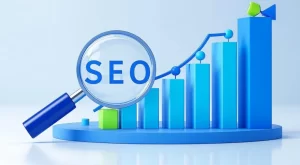
SEO might sound fancy, but it’s really just about getting your website to show up at the top of search results on platforms like Google or Bing.For example, if someone searches for “ultralight luggage” and your site is one of the top results, you’ll get way more clicks.
To achieve this, make sure you use keywords that people are likely to search for in your titles, pages and descriptions. And don’t forget to add some valuable content, like tips on choosing the right luggage.If you keep on optimising your site, search engines will start to “favor” it, and users will naturally find you.
Paid Search Advertising Traffic
Paid Search Advertising TrafficIf you’re after instant results, then paid search ads are the way to go. When users see your ads on search engines and click through, it’ll send more traffic your way. The key is choosing the right keywords. Avoid spending money on broad, competitive terms and focus on precise long-tail keywords like “carry-on luggage for short trips.” These not only cost less, but also get you more conversions. Sure, it might cost you a bit, but it’s a great way to get new customers on board quickly!
Social Media Traffic
Social media is the “superstar” of traffic sources. Whether they’re scrolling through Facebook, browsing Instagram, or watching TikTok, they might just stumble upon your online store. If you can tap into these massive traffic pools effectively, your store is bound to thrive.
The key to getting people to visit your online store is to be fun and creative on social media. Post funny short videos, hold giveaways that get users sharing and following, or create content that people can relate to and find interesting. Keep your social accounts active and lively, and your brand will feel approachable and exciting to users.
Display Advertising Traffic
Remember those banner ads on websites? That’s display advertising – simple yet effective for grabbing attention. By using eye-catching images or videos, you can drive clicks to your online store while boosting brand awareness.
But remember, you’ve got to place your ads in the right spots and make them look good if you want them to work. Pick the platforms where your target audience hangs out and create ads that are either really visual or a bit witty. Otherwise, you risk wasting ad spend on views that don’t convert into clicks.
Other Traffic Sources
This category is the “hidden gem” of traffic. For example, if you launch a Kickstarter campaign, you’ll not only raise funds, but you’ll also attract a wave of potential users. And if you’re selling on platforms like AliExpress, you should definitely check out our tips for selling on AliExpress. You could slip a card into your product packaging inviting customers to visit your store.
Offline marketing works wonders too – sponsoring local events or handing out flyers can get your brand out there beyond the digital realm. By combining different channels, you’ll often get surprisingly good results.
50 Practical Tips to Get Your Traffic Up
Successful marketing isn’t about waiting for users to find you; it’s about getting out there and drawing them into your world. In today’s super competitive market, traffic is the lifeline of any brand, and effective lead-generation methods are the beacon that lights the way.
To help you boost your online store’s visibility and performance, we’ve put together 50 practical tips with detailed explanations to boost your traffic across all channels. Let’s take a look at these strategies and see which ones work best for you!
Social Media Operations
Instagram Follow/Unfollow + DM Strategy
Actively follow target users to grab their attention, and once they follow back, you can unfollow them. Combine this with direct messaging (DM) to interact with potential customers by recommending products or offering discounts, ensuring precise reach to your audience.
Set Up an Instagram Shop
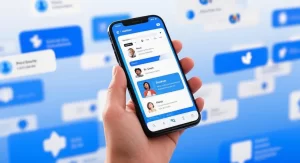
Enable the Instagram Shop feature to directly link products in your posts. Users can click on product tags and instantly access the purchase page, significantly shortening the conversion path.
Enable Auto-Reply
Set up an auto-reply feature to respond instantly to comments or direct messages. This enhances interaction efficiency and improves the user experience by ensuring timely engagement.
Use Automation Tools for Bulk DMs
Leverage social media management tools to send bulk direct messages. Use this to promote new products or campaigns, expanding your brand’s reach and influence.
Collaborate with Niche Accounts for Shoutouts
Partner with niche accounts that have similar audience groups for mutual shoutouts. This strategy helps share traffic resources and rapidly increase follower numbers.
Team up with micro-influencers to swap products
Team up with micro-influencers who have 10,000–50,000 followers. Offer free products in exchange for promotional posts. This approach is cost-effective and provides highly targeted exposure.
Set up a Brand Ambassador Programme
Pick loyal users to be your brand ambassadors. Give them exclusive discount codes or commissions to incentivise them to bring in new customers. This is a win-win for everyone.
Use the Repin feature on Pinterest to share your content and attract users with similar interests to your page. This’ll boost both your exposure and engagement.

SEO Optimization
On-Site Keyword Placement
Strategically insert relevant keywords into product descriptions, blog posts, titles, and meta descriptions to improve your website’s search engine ranking and attract users with purchase intent.
Optimize Image Alt Tags
Add clear and descriptive Alt text to every image on your site. This helps search engines better understand your images, driving more traffic through image search results.
Regularly Publish Blog Posts
Keep your site updated with high-quality, keyword-focused blog content. This not only attracts organic traffic but also increases user retention and engagement.
Exchange Backlinks with Relevant Blogs
Partner with blogs in your industry to exchange backlinks. This collaboration improves your site’s domain authority and makes it more search-engine friendly.
Write Guest Posts
Contribute guest posts to high-authority websites. This allows you to showcase your expertise, attract traffic, and gain valuable backlinks to your site.
Send Products to Bloggers
Collaborate with professional bloggers by offering free products in exchange for reviews or recommendations. This approach boosts your site’s authority and generates direct traffic.
Join Affiliate Marketing Networks
Register your products on affiliate marketing platforms. This encourages promoters to create backlinks for your products, increasing your site’s exposure and search engine ranking.
Engage PR Agencies
Work with public relations agencies to draft and publish promotional articles about your brand. Distribute these articles to news websites and industry media to enhance your brand’s visibility and credibility.
Optimize YouTube Video Titles and Keywords
Include trending and relevant keywords in your YouTube video titles, descriptions, and tags. This boosts your video’s search ranking and attracts more traffic to your content.
Refine TikTok Video Titles and Tags
Select popular hashtags and precise keywords that resonate with your target audience. This improves your video’s discoverability on TikTok, increasing search-based traffic and engagement.
Content Marketing
Leverage Instagram Short Videos
Post creative short videos showcasing your product in real-life scenarios. These videos attract organic views and shares, increasing your brand’s exposure.

Use Instagram Stories
Share time-sensitive offers or new product launches through Instagram Stories to drive existing followers to your website or purchase pages.
Create a YouTube Channel Network
Set up multiple YouTube accounts focused on different themes. Publish relevant content and guide viewers to visit your online store for more.
Utilize YouTube Shorts
Upload lightweight content using YouTube Shorts to capture new audiences and redirect their attention to your product pages.
Build a TikTok Account Network
Create multiple TikTok accounts targeting various interest groups. Publish tailored videos to quickly gain followers and turn traffic into revenue.
Regularly Post Original Pinterest Content
Upload high-quality, original images or videos to Pinterest. Use trending tags to attract clicks and boost your brands visibility.
Join Facebook Interest Groups
Participate in groups related to your products, share soft-sell posts, or answer questions to introduce your brand to potential customers.
Engage in Reddit Communities
Find relevant subreddits on Reddit, join discussions, and naturally insert your brand information to attract precise user attention.
Create a Quora Account
Ask and answer questions about your products on Quora. This not only showcases your expertise but also drives traffic to your website.
Establish a LinkedIn Company Page
Create an official page on LinkedIn. Publish professional content to enhance your brand image and expand its influence in the industry.

Other Strategies
Drive Traffic with Customer Thank-You Cards
Include thank-you cards with QR codes in your product packaging to guide customers to your website for additional purchases.
Mail Brand Brochures
Send potential customers brochures or coupons via direct mail to enhance brand exposure and leave a lasting impression.
Host Offline Seminars or Workshops
Invite your target audience to attend events where you share professional knowledge while subtly promoting your products or services.

Post Offers on Classified Platforms
List promotional deals on platforms like Craigslist or Gumtree to attract targeted users and drive them to your website.
Sell on Secondhand Marketplaces
Leverage platforms like eBay or Facebook Marketplace to tap into their traffic and direct buyers to your online store.
Join Live Streaming Platforms
Promote your products on live-streaming platforms like Twitch or Bilibili. Engage with viewers in real time to boost traffic and sales.
Recruit Brand Ambassador Interns
Encourage young individuals to promote your brand by offering commissions or internship certificates, creating a grassroots marketing team.
Car Sticker Advertising
Print your brand information on car stickers and use mobile advertising to increase brand exposure in public spaces.
Distribute Flyers Offline
Target locations with high foot traffic and distribute flyers to attract users to your online platforms.
Use Games or Quizzes to Generate Traffic
Design fun games or quizzes to engage users and encourage them to participate while introducing them to your brand.

Accelerate Your Dropshipping Success with DropSure
With the seven main traffic sources and 50 practical ways to generate leads, you’ve got everything you need to take your online store to the next level. But true success requires more than just strategies—it demands a strong support platform. That’s where DropSure comes in, offering a comprehensive solution that’s tailored to empower online store owners.
They’ve got you covered with low-cost products, logistics services that won’t break the bank, and top-notch inventory management to keep costs down. With its powerful data analytics and marketing tools, you can easily identify market trends and optimise traffic generation. Whether you’re selling general products or getting into the booming world of Print on Demand, DropSure has got your back and can help your online store thrive.
So, ready to make your store stand out? Choose DropSure today to turn your traffic strategies into action and achieve greater returns with minimal investment.
Sign up with DropSure now and get ready to take your cross-border e-commerce success to the next level. Let your online store soar to new heights!