


















< Blogs

Must-Have Dropshipping Tools and Software in 2025: Grow Your Business

Vivan Z.
Created on November 21, 2024 – Last updated on February 6, 20255 min read
Written by: Vivan Z.

Hey there! Starting or scaling your dropshipping business? Finding the right tools can make all the difference. The right ones save you time, help you make more money, and simplify your workflow. Let me show you some must-have tools for 2025 to help you crush your goals.


The Challenges of Dropshipping

First, let’s get real about the challenges. Dropshipping can be exciting, but it’s not all smooth sailing. You’ll face:

  • Too many manual tasks that slow you down.
  • The need to lower costs, expand products, and keep customers happy.
  • Fierce competition, so you need to stand out.

Sounds familiar? Don’t worry. That’s where these tools come in. They’ll help you automate tasks, improve profits, and grow faster.


Why Use Tools?

Here’s why you need them:

  • They reduce manual work. Say goodbye to time-consuming tasks.
  • They help you save money and boost your earnings.
  • They prepare you to grow your business without headaches.

Let’s dive into the tools, grouped by what they do.


Tool Categories and Recommendations

1. Multi-Account Management

GoLogin:
Run multiple seller accounts safely, like on Amazon or eBay.

  • Why you’ll love it: Manage accounts in bulk and share access with your team.
  • Great for: Splitting risk across multiple accounts.
  • Pricing: Free for up to 3 accounts. Paid plans start at $49/month.gologin

2. All-in-One Dropshipping Tools

Convictional:
Handle suppliers and automate orders easily.

  • Why you’ll love it: Smooth supplier management and data insights.
  • Great for: Managing many suppliers without headaches.
  • Pricing: Starts at $2,000/month.convictional

Sell The Trend:
Use AI to find winning products and make better ads.

  • Why you’ll love it: Find trending products quickly and measure ad success.
  • Great for: Expanding product choices and boosting sales.
  • Pricing: Starts at $39.97/month.sell the trend

CJ Dropshipping:
Perfect for budget-friendly sellers.

  • Why youll love it: Global warehouses, automated orders, and affordable prices.
  • Great for: Expanding product variety and optimizing shipping.
  • Pricing: Free plan available

    CJ dropshipping

Yakkyofy:
AI-powered tool for smooth dropshipping.

  • Why you’ll love it: Automates orders and supports custom branding.
  • Great for: Budget-conscious sellers looking to streamline buying.
  • Pricing: Starts at $39/month. Yakkyofy

3. Product Research and Competitive Analysis

BigSpy:
Track competitors’ ads and trends.

  • Why you’ll love it: Find what’s working for others and adapt it.
  • Great for: Spotting trends and improving your strategy.
  • Pricing: Starts at $9/month.big spy

Syncee:
Connect with reliable suppliers and automate product updates.

  • Why you’ll love it: No more manual updates or sketchy suppliers.
  • Great for: Bulk product management.
  • Pricing: Free plan available, paid plans start at $29/month.Syncee

4. Customer Service Tools

Lyro AI Agent:
AI that answers your customers’ questions.

  • Why you’ll love it: Saves time on FAQs and builds trust.
  • Great for: Fast customer responses.
  • Pricing: Free for up to 50 conversations.lyro

5. Marketing and Visual Tools

Claid.ai:
Edit product images with AI.

  • Why you’ll love it: Create professional images fast.
  • Great for: Making products stand out.
  • Pricing: Starts at $19/month.

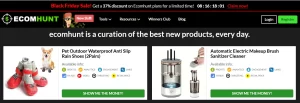
Ecomhunt:
Find trending products with ease.

  • Why you’ll love it: Stay ahead of the curve.
  • Great for: Spotting what customers want.Ecomhunt

6. Inventory and Logistics Management

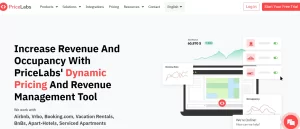
PriceLabs:
Automatically adjust prices to stay competitive.

  • Why you’ll love it: Beat the competition with smart pricing.
  • Great for: Maintaining profit margins.PriceLabs

Stock Sync:
Sync inventory across platforms.

  • Why you’ll love it: Avoid running out of stock.
  • Great for: Keeping inventory updated.stock sync

ShippingSavvy:
Find the cheapest and fastest shipping options.

  • Why you’ll love it: Save money on delivery.
  • Great for: Keeping customers happy with fast shipping.ShippingSavvy

Final Words

Which tool should you pick? Start with the ones that match your current needs. Don’t overspend—test free plans or trials first. This way, you’ll know what works before investing more.

Have you used any of these tools? Which one helped you the most? Drop your thoughts in the comments and share your experience with fellow sellers. Let’s grow together!


Buttom

DropSure is Your Best Partner
22 Years Experience
Affiliate Rebates
100% Quality Guarantee
Top-Up Rewards
10+ Global Warehouses
Custom Branding Support
Smart inventory System
24/7 Customer Support
Get a Quote in 24 Hours
Start Sourcing for Free

Keep Learning

In the highly competitive world of dropshipping, effective marketing is key to success. Using the right strategies to attract more customers, increase sales, and strengthen your store’s competitiveness is the goal of every dropshipping entrepreneur. Today, let’s dive into some powerful marketing tactics, including social media marketing, search engine optimization (SEO), paid advertising, and content marketing. We’ll also share real-life examples of how to create and implement a comprehensive marketing plan that works! Social Media Marketing: Building Closer Connections with Customers Social media is a fantastic platform for connecting with potential customers. The key is identifying which social platforms your target audience is most active on. For example, if your products cater to a younger, fashion-forward crowd, Instagram and TikTok might be your best bets. On Instagram, high-quality visual content is essential for grabbing attention. Try posting eye-catching product photos or short videos, paired with popular hashtags to increase visibility. For instance, a dropshipping store selling fitness equipment could post videos of users working out with their products, adding hashtags like #FitnessRoutine or #HomeGym. Partnering with fitness influencers can also significantly boost credibility and brand awareness. In fact, collaborating with the right influencers can increase store traffic by 30% to 50% and drive a noticeable rise in sales. TikTok, with its unique short-video format, has attracted a huge user base. Creating engaging, creative short videos that showcase the unique features or usage scenarios of your products can be highly effective. For example, a store selling creative home products could make a series of videos showing how their products solve everyday problems. This type of content often garners millions of views, boosts followers, and directly drives sales growth. SEO: Helping Customers […]

Before we get into the actual tactics, let’s make sure we understand what SEO really is. SEO stands for Search Engine Optimization, and in simple terms, it means: how to make your store or website easier to find on Google. The higher you rank in search results, the more likely you are to get organic traffic—people who find you by searching, without you spending a dime on ads. This is especially important for dropshipping. Unlike traditional stores that rely on foot traffic or returning customers, dropshipping relies almost entirely on online visibility. Whether people can find your store online basically determines whether you get any orders. Even with a tight budget, SEO can help you build a super cost-effective customer acquisition channel.As more and more people jump into the dropshipping game, just launching a store and waiting for customers to show up is no longer realistic. You need to treat SEO like your fishing rod—casting it out to actively catch traffic. But don’t get it wrong: SEO is not just about stuffing a few keywords. It’s a full strategy, and every part matters. For example: Picking the right keywords so people can actually find you; Clear website structure, so users instantly understand where to go; Valuable, authentic content—not random fluff; Fast-loading pages, so customers don’t get annoyed and leave; External links and social shares—those little “credibility points” that search engines notice.One thing that’s super easy to overlook: Don’t ignore small website issues. Even just a broken page or duplicated title can make search engines think your site is “unprofessional,” which tanks your rankings.Bottom line: SEO isn’t a one-trick hack based on keyword stuffing. It’s about holistic optimization—making your store both […]

In the world of cross-border e-commerce—whether you’re selling on Amazon, running a Shopify store, or operating on platforms like TEMU, SHEIN, or TikTok Shop—there’s one thing you simply can’t ignore: product selection. Choosing the right product is the lifeline of your entire business. You might be a master at running ads, have sharp operational skills, or even be ready to throw money at the problem—but if the product is wrong, none of that will matter. A bad product means no sales, inventory piling up, ad budget going to waste, and cash flow drying up. Best case? You lose money and exit the game. Worst case? Your company goes under. But if you pick the right product? Even if you’re just starting out—with little experience and a limited budget—you still have a real shot at turning a single product into tens of thousands, or even hundreds of thousands of dollars in profit. That’s what we mean when we say: “It’s the product that makes you take off.” So don’t treat product selection as just a step in the process. What is Google Trends? If you want to know whether a product is truly “riding the wave,” then Google Trends is a tool you simply can’t afford to ignore.It’s a free data platform officially launched by Google, designed specifically to track how users across the world behave on the Google search engine.Put simply, it’s a powerful trend analysis tool that shows what people are searching for, when they’re searching for it, and where those searches are most active. A lot of beginners think “trends” just means looking at what’s popular right now.But the truth is, Google Trends offers way more than that.It […]